Vedantika herbals ubton review: bring back the glow in this wedding season
Vedantika Herbals Ubtan Review||Bring Back The Glow in this […]
Your skin is the largest organ in your body, and it is constantly communicating with you.
From a small red patch that appears out of nowhere to a mole that slowly changes shape, these warning spots on your skin are not random.
They are signals. Learning to read them could make a real difference in your health.
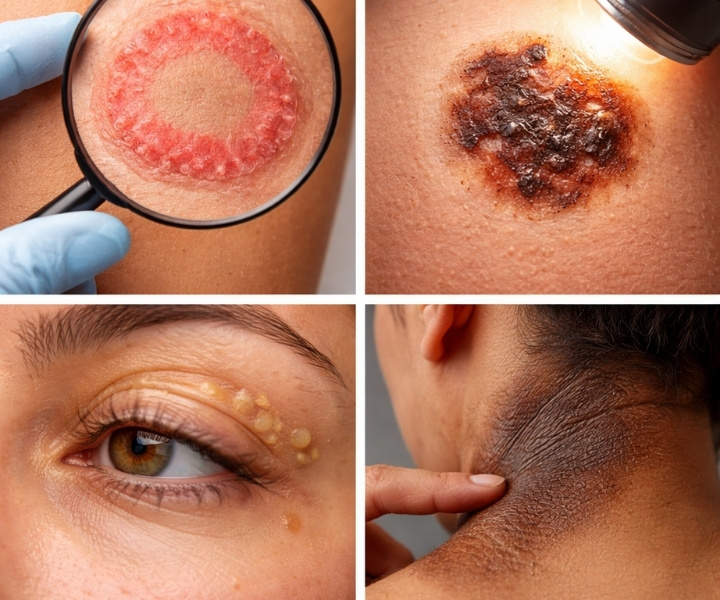
Most people brush off unusual skin changes as allergies or dry weather. But sometimes, those spots mean something more.
The key is knowing which ones to watch closely and which ones need a doctor’s attention fast.
Skin warning signs come in many forms — discoloration, texture changes, raised bumps, or scaly patches.
Each one tells a slightly different story about what is happening beneath the surface.
One of the most commonly confused pairs of skin conditions is ringworm vs eczema. They can both cause red, irritated patches that itch like crazy, but they are very different animals — literally.
Ringworm is a fungal infection, not a worm at all, and it typically creates a ring-shaped, clearly bordered rash that spreads outward.
Eczema, on the other hand, is an inflammatory condition triggered by genetics, allergens, or stress, and it tends to look more like rough, dry, red patches without a distinct ring shape.
Why does this matter? Because the treatment for ringworm vs eczema is completely different.
Ringworm needs an antifungal cream. Eczema needs moisturizers, steroids, or other anti-inflammatory treatments.
Using the wrong one can actually make your skin worse, so if you are ever in doubt, see a dermatologist.
A mole you have had since childhood is usually harmless. But a mole that starts to change — in color, size, shape, or texture — is a red flag that should never be ignored.
Dermatologists use the ABCDE rule to evaluate moles: Asymmetry, Border, Color, Diameter, and Evolution.
If a mole is no longer symmetrical, has an uneven border, shows multiple colors, is larger than a pencil eraser, or has changed recently in any way, it is time to get it checked.
Melanoma, when caught early, is highly treatable. Ignoring a changing mole can cost you years of your life.
Dark, velvety patches of skin — especially around the neck, armpits, or groin — can be a sign of acanthosis nigricans.
This condition is often linked to insulin resistance and can be an early warning of prediabetes or type 2 diabetes.
It is easy to mistake for dirt or hyperpigmentation, but if the texture of the skin feels thick and almost velvety to the touch, bring it to your doctor’s attention.
Similarly, sudden brown spots that appear after sun exposure are not always harmless age spots.
Some can develop into actinic keratoses, which are considered precancerous.
These rough, scaly spots are a direct result of years of UV damage and should be examined regularly.

Small yellow deposits under the skin, particularly around the eyes, are called xanthelasmas.
They are cholesterol deposits and can be a visible clue that your lipid levels are out of balance.
While not dangerous on their own, they often indicate elevated cholesterol that puts you at higher risk for heart disease.
The skin is revealing something the bloodwork has not been asked to look for yet.
Skin tags are generally harmless, but a sudden outbreak of many skin tags in a short period of time can sometimes be associated with hormonal changes or insulin resistance.
Likewise, small pearl-like bumps that do not go away might be basal cell carcinoma, the most common form of skin cancer.
It rarely spreads but can cause significant damage if left untreated for years.
A blistering rash that appears in a band or stripe on one side of your body is almost certainly shingles.
It follows the path of a nerve and can be intensely painful.
Shingles is a reactivation of the chickenpox virus and is more common in people over 50 or those with a weakened immune system.
It needs antiviral treatment quickly to reduce the severity and prevent long-term nerve pain.
The general rule is simple: if a spot on your skin is new, growing, changing, bleeding, or just does not feel right, get it looked at.
Most of the time it will be nothing serious. But the times it is something, catching it early is everything.
Your skin works hard to protect you every day. The least you can do is pay attention when it is trying to tell you something.

Vedantika Herbals Ubtan Review||Bring Back The Glow in this […]

Are the ingredients good or bad? Are the products outstanding? Which one has the best formula? Know the answers of all here.
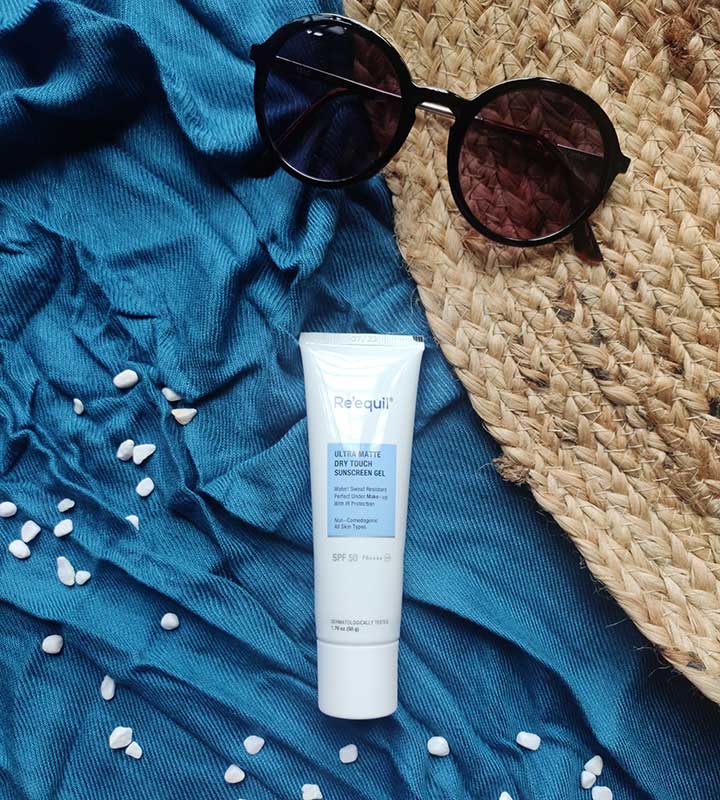
As the title says, it's been more than a month now that I have been using Re'equil Ultra Matte Sunscreen Gel. How safe the ingredients are? Is the formulation good? Well! Questions are many. Let's find out the answers.

The right skin care routine should always start with the right face cleanser. In this article, know how to choose the right face cleanser for all skin types. Also know if there is a slight differences between a face wash and a facial clenaser.
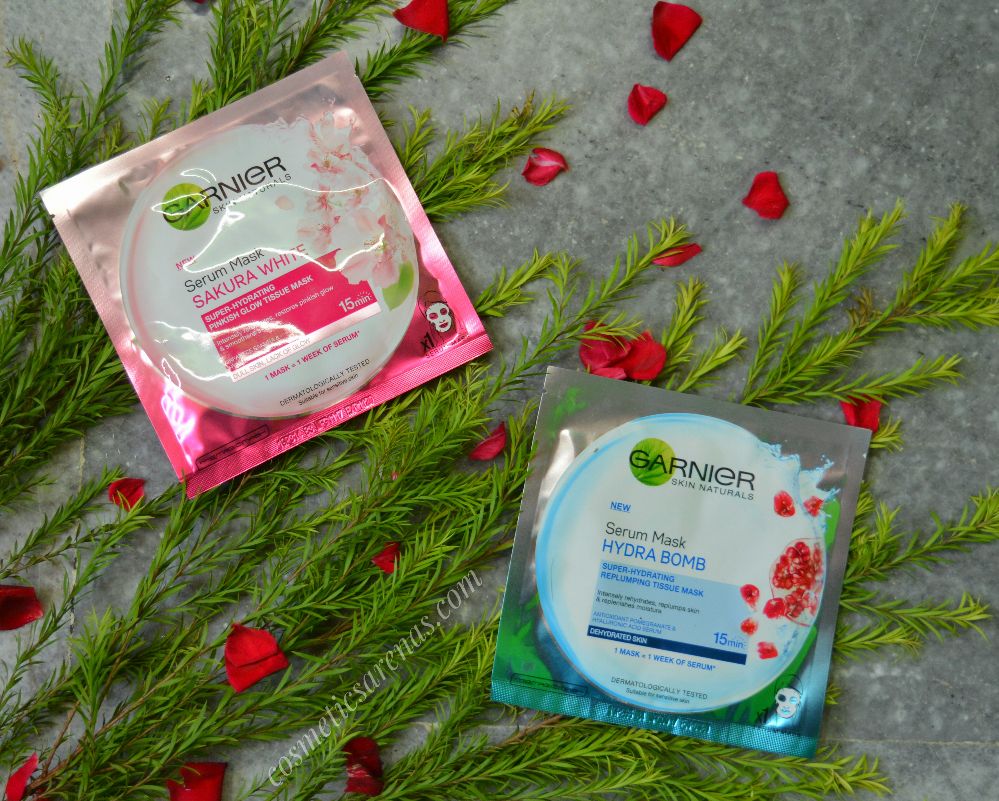
||Garnier Serum Mask Hydra Bomb Review|| Hey angel, welcome! So, […]
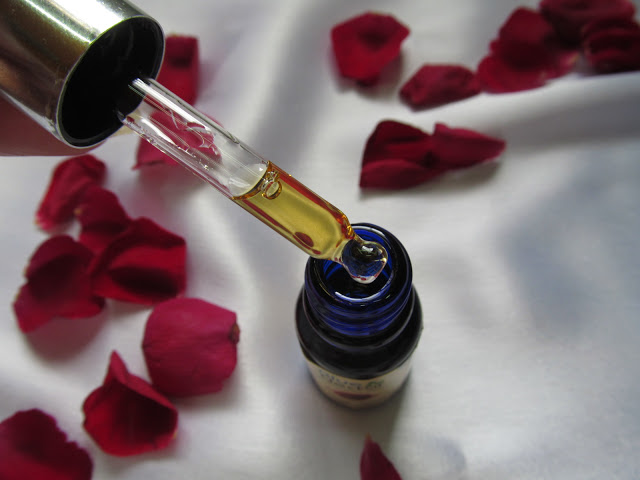
Check out everything you wanted to know about Blue Nectar Kumkumadi Radiance Glow Night Serum; the ultimate lightweight facial oil.
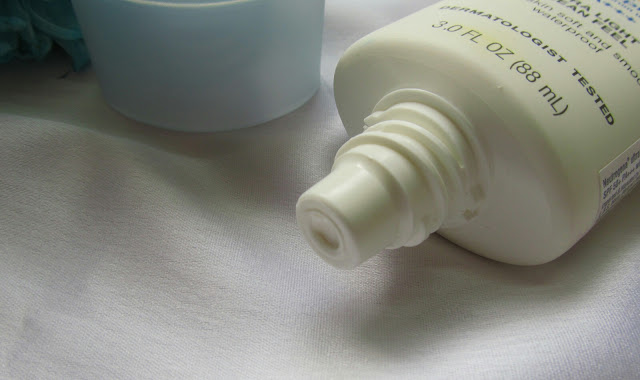
A warm welcome to Cosmetics Arena my beautiful friends. I […]

In my case, acnes happen quite a lot. So, check out what are the things I do to treat these skin problems.
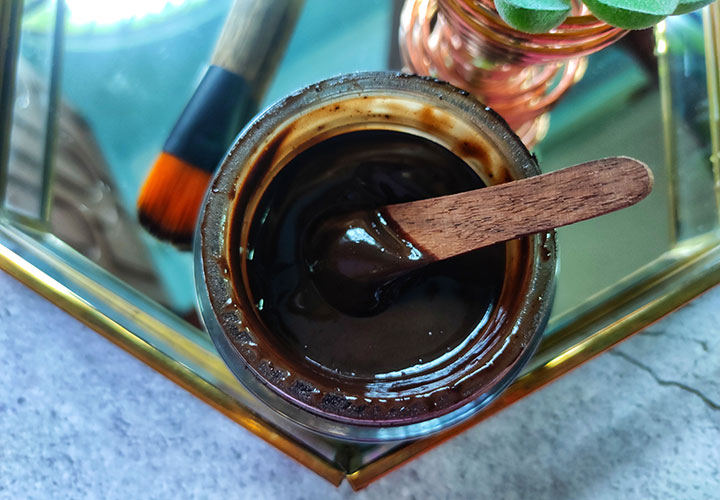
It's been 2 weeks now that I am using this face mask. So, how well-put the ingredients are? Is it perfect for All skin types? Would I recommend it? Well! It's time to find out the answers.

It's been more than a month now I am using Sanfe Natural Intimate Spray. Let's talk about why I and my intimate area love it.
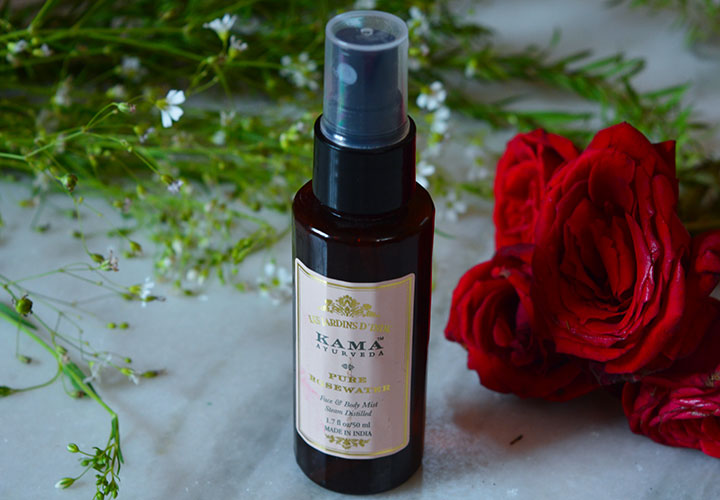
Hey Angel! Today the spotlight is on Kama Ayurveda Pure Rose […]
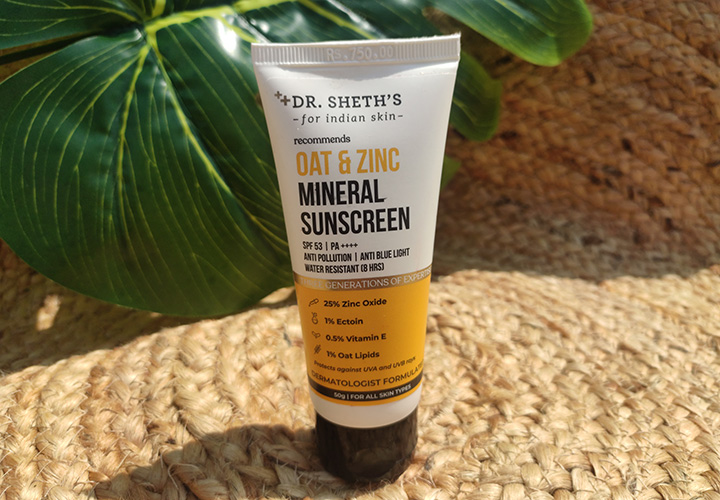
Is it another mineral sunscreen? Or, does it have real potential? How well-put the ingredients are? Well! It's time to unleash the truth.