Choosing an acne treatment starts in front of a bathroom shelf crowded with washes, gels and creams.
You may have tried several of them and seen a small change or none at all. Meanwhile, new spots keep appearing as the old ones fade.
At that point, most people want to know whether a cream will ever be enough or whether they need tablets.
Acne treatment ranges from gels and creams applied to the skin to medicines taken by mouth, and the choice depends mainly on how severe the acne is.
In practice, many people use topical and oral treatment together, and most need several weeks of steady use before their skin improves.
In this article, we will look at what causes acne, the main treatment options, how severity guides the choice, how long results take, the usual side effects and the skincare that helps alongside treatment.
What Causes Acne?
Acne is caused by four linked problems in the skin: extra oil, blocked pores, bacteria and inflammation.
Acne starts when oil (sebum) and dead skin cells block a pore, the opening of a hair follicle.
Bacteria that normally live on the skin can then multiply inside the blocked pore, so the skin around it becomes red and swollen.
Because hormones increase oil production, acne often begins at puberty, when hormone levels rise.
Most acne treatments act on one or two of these causes, not all four. That is why acne treatment often combines two medicines that work on different causes.
What Are the Main Acne Treatment Options?
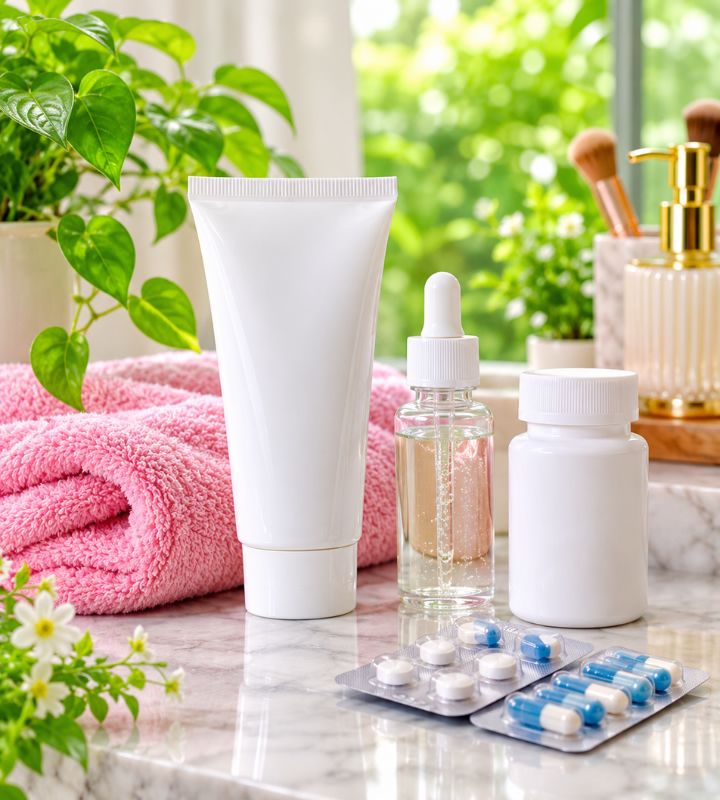
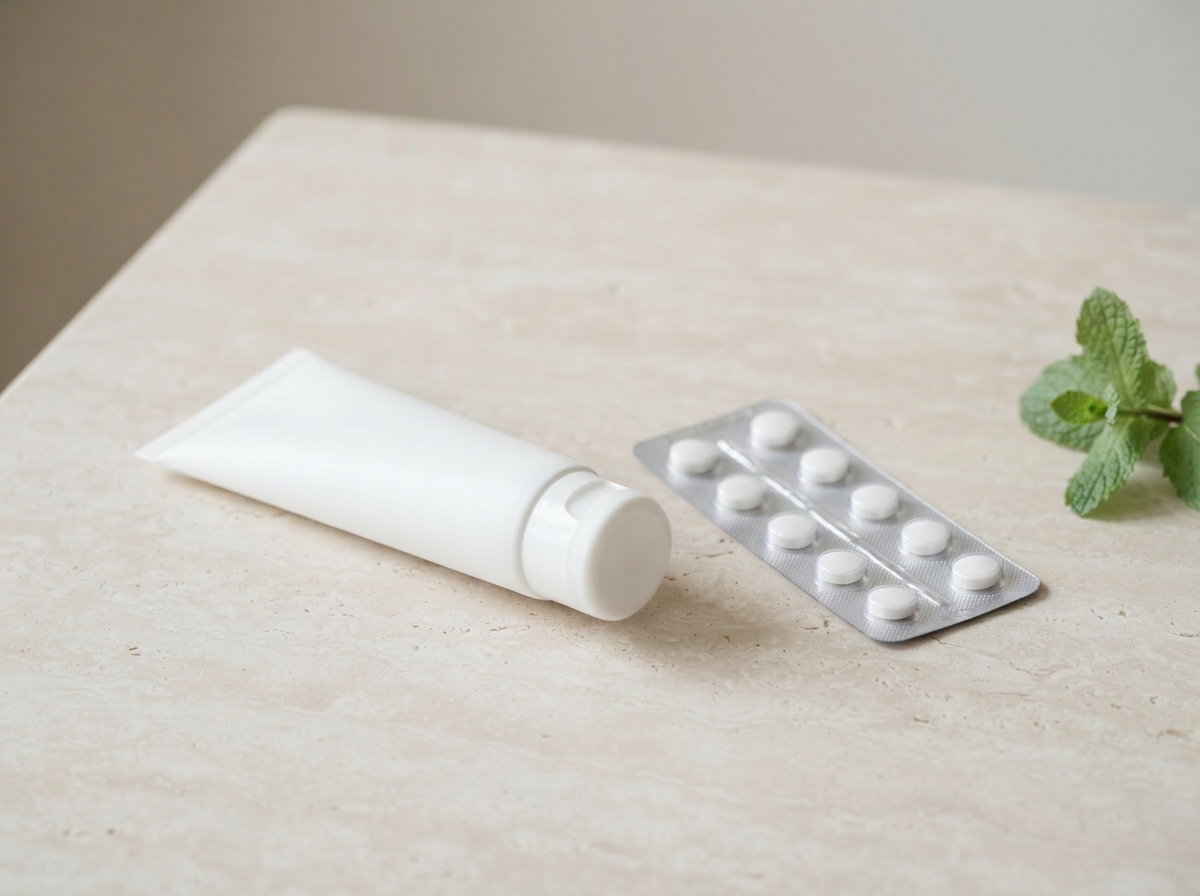
The main acne treatment options fall into two groups: topical treatments, which you apply to the skin, and oral treatments, which you take by mouth.
Topical Acne Treatments
Topical acne treatments are creams, gels and lotions, and the main ones are benzoyl peroxide, retinoids, azelaic acid and topical antibiotics. For most people with mild to moderate acne, topical treatment is the first choice.
Here is how these ingredients work on the skin:
- Benzoyl peroxide – an antibacterial ingredient that reduces bacteria in the pores and helps unblock them. Bacteria are not known to become resistant to it.
- Retinoids – medicines related to vitamin A, such as adapalene and tretinoin, that unblock pores and help stop new blockages forming.
- Azelaic acid – a naturally occurring acid that reduces bacteria and swelling, and can also lighten dark marks left by spots.
- Topical antibiotics – medicines such as clindamycin that reduce bacteria and redness. Because an antibiotic used alone can allow resistant bacteria to develop, these antibiotics are usually combined with benzoyl peroxide or a retinoid.
Many prescription gels combine two of these ingredients in one tube.
In some countries, lower-strength benzoyl peroxide and adapalene are sold without a prescription, while stronger preparations need one.
Oral Acne Treatments
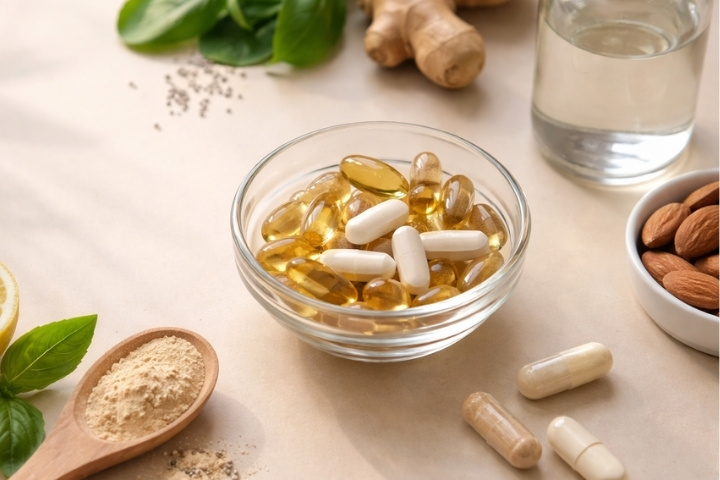
Oral acne treatments are tablets or capsules, and the main ones are antibiotics, hormonal treatments for some women and isotretinoin.
Oral treatment is generally used for moderate to severe acne, or for acne that has not improved with topical treatment.
- Oral antibiotics – tablets such as doxycycline or lymecycline that reduce bacteria and inflammation. A doctor prescribes them for a limited course, often three months, together with a topical treatment to lower the risk of resistance.
- Hormonal treatments – for some women, a combined contraceptive pill or a medicine called spironolactone can reduce how much oil the skin makes in response to hormones.
- Isotretinoin – a strong vitamin A-based tablet for severe acne, or for acne that is leaving scars or has not responded to other treatment. Isotretinoin acts on all four causes of acne, and a specialist usually supervises the course, which lasts several months.
After one course of isotretinoin, many people have long-lasting improvement, although some need a second.
Which Acne Treatment Suits Mild, Moderate or Severe Acne?
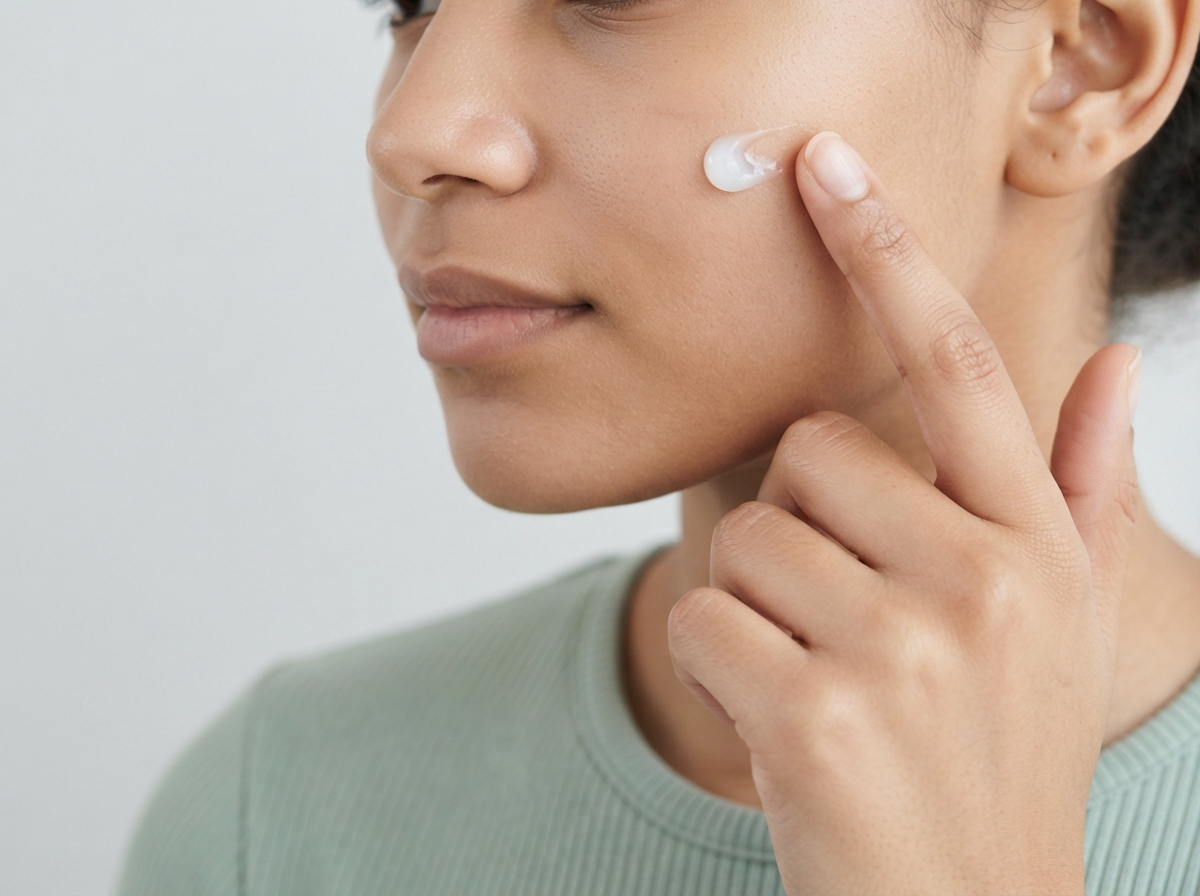
Acne treatment is usually matched to severity, with topical creams and gels for mild acne and oral medicines added as acne becomes more severe. Severity depends on the type of spot as well as the number.
- Mild acne – mostly blackheads and whiteheads, with a few red spots. Topical treatment alone is often enough.
- Moderate acne – more widespread red bumps (papules) and spots with a white or yellow head (pustules). A topical combination is common, and an oral antibiotic or hormonal treatment may be added.
- Severe acne – deep, painful lumps under the skin (nodules and cysts), which can leave scars. Oral medicine is usually needed, and a dermatologist (a skin specialist) may consider isotretinoin.
Acne should generally be checked by a doctor when it is painful, leaves scars or dark marks, or affects how you feel about yourself.
The same applies when two to three months of a non-prescription cream or gel have made little difference.
Your own doctor can start treatment and, where needed, refer you to a dermatologist.
How Long Does Acne Treatment Take to Work?
Acne treatment usually takes six to eight weeks to show visible improvement.
But to judge whether a treatment is working, most people need to use it for about three months, because spots form and heal over several weeks.
In the first few weeks, retinoids can make acne look slightly worse before it improves.
Fortunately, this early flare usually passes with continued use and does not mean the treatment has failed.
Once the skin has improved, many people continue a topical treatment, such as a retinoid, to prevent new spots.
Because acne often returns when treatment stops completely, this maintenance step is worth keeping.
What Are the Side Effects of Acne Treatment?
Common side effects of acne treatment include dryness, peeling, redness and stinging from topical creams and gels, and these usually ease after the first few weeks.
By contrast, tablets have their own side effects, which a doctor explains before prescribing them.
- Topical treatments – starting on alternate nights and using a moisturiser can reduce irritation. Benzoyl peroxide can bleach towels, pillowcases and hair. Retinoids can make the skin more sensitive to the sun and are not recommended during pregnancy.
- Oral antibiotics – stomach upset is common, and doxycycline can make the skin burn more easily in the sun.
- Hormonal treatments – the combined pill is not suitable for everyone, partly because it slightly raises the risk of blood clots.
- Isotretinoin – dry lips, skin and eyes are very common. Because isotretinoin can cause serious birth defects, women who could become pregnant follow a strict pregnancy prevention programme, and the prescribing doctor checks mood during treatment.
What Skincare Helps During Acne Treatment?
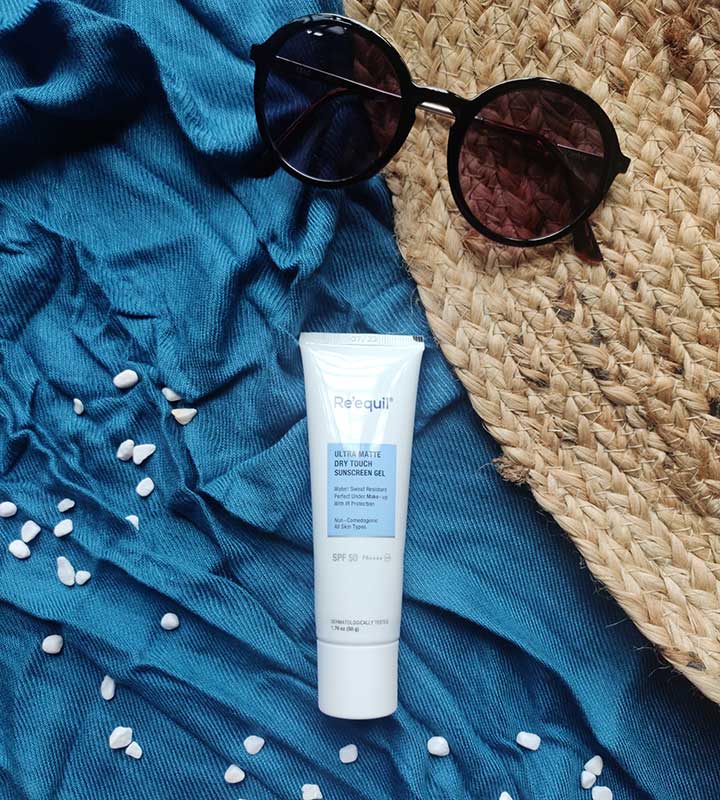
Skincare that helps during acne treatment is gentle and simple: a mild cleanser, a non-comedogenic moisturiser (one made not to block pores) and daily sunscreen.
Those three steps also ease the dryness and sun sensitivity that many treatments cause.
Washing the affected skin twice a day is enough for most people, because scrubbing or washing more often can irritate skin that treatment has already dried.
Since the treatment also acts on blocked pores that have not yet become spots, apply it to the whole area where spots tend to appear, not only to the spots you can see.
Picking or squeezing spots raises the risk of scars and dark marks, so it is better to leave them alone.
Oil-free make-up is fine for most people, provided you remove it before bed.
Before adding other active ingredients, such as exfoliating acids, check with your doctor or pharmacist, because layering them can increase irritation.
The Bottom Line: Most Acne Responds to Treatment
Most acne improves with treatment, whether that means a single gel or a combination of creams and tablets.
Mild acne can respond to topical treatment alone. And even severe acne has effective options, including isotretinoin, which gives many people long-lasting improvement.
Treatment does take time. But within about three months of steady use, most people can see whether it is helping, and your doctor can change the plan if it is not.
With a gentle skincare routine alongside, you can look forward to clearer skin in the months ahead.