Coco soul hair and scalp cleanser review
Know everything about Coco Soul Hair and Scalp Cleanser including the ingredients. Check out whether this shampoo is worth the price or not.
Discover how to choose the best hair mask for dry hair based on your hair type, ingredients, and damage level. Learn the difference between leave-in and rinse-out masks for softer, healthier-looking hair.
By Manisha
Posted on | Last Updated
Dry hair has a way of making itself known. The ends feel rough, the shine disappears, and no matter how carefully you style it, the frizz seems to show up anyway.
That’s usually the point where regular conditioner stops feeling like enough — and a hair mask starts making sense.
But not every hair mask for dry hair is created equal. Choosing the right one depends on your hair type, your damage level, the ingredients in the formula, and whether a rinse-out or leave-in option suits your routine.
A hair mask is a concentrated conditioning treatment designed to go deeper than everyday conditioner.
While conditioner smooths the hair shaft and helps with detangling, a dry hair mask is typically richer and meant to stay on longer — giving active ingredients more time to absorb.
The result, with consistent use, is hair that feels softer, looks less dull, and behaves more manageably.
A good hydrating hair mask won’t permanently change your hair’s structure, but it can make a real difference in how it looks and feels week to week.
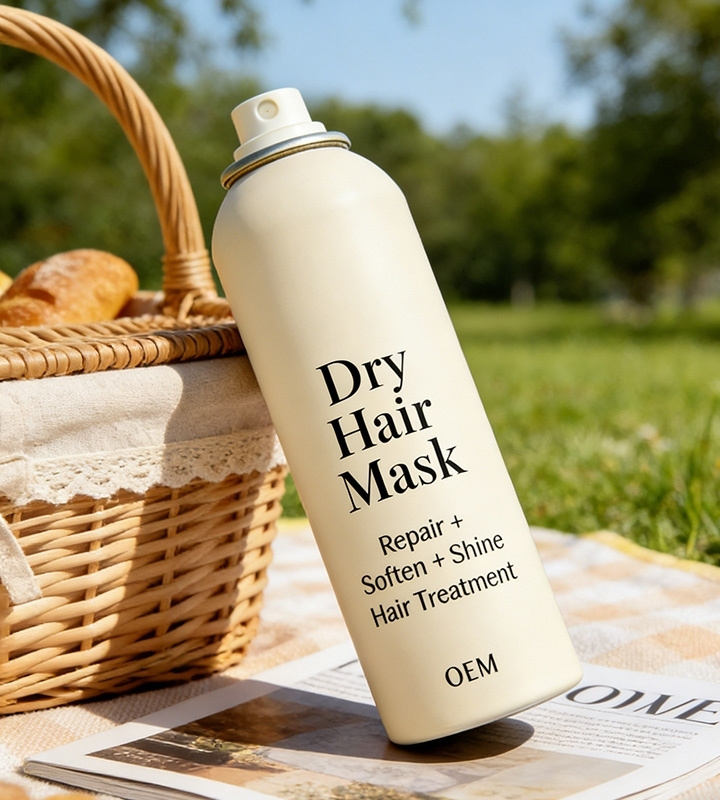
Sometimes it’s obvious. Here are the signs worth paying attention to:
If you’re checking off several of these, a moisturizing hair mask is probably worth adding to your routine.
The ingredient list tells you a lot. Here’s what to look for and why it matters:
Keratin is a protein naturally found in hair. A keratin hair mask may help support the appearance of smoother, stronger-looking hair — particularly useful for heat-damaged or chemically processed strands.
Argan oil is a lightweight oil that can add softness and shine without feeling greasy.
An argan oil hair mask tends to work well for those who want nourishment without heaviness.
Panthenol (vitamin B5) is a widely used hair mask ingredient that may help improve moisture feel and manageability — especially helpful for dry and frizzy hair.
Shea butter offers richer conditioning and is often used for very dry or coarse hair that needs more intensive support.
Aloe vera provides lighter, soothing hydration and works well for those who find heavier ingredients too much.
No ingredient works the same way for everyone. What matters most is matching the formula to your hair’s specific needs.
Both formats work — they just serve different purposes.
Rinse-out hair masks are ideal for wash-day conditioning. You apply them after shampooing, leave them on for several minutes, then rinse.
They’re a good fit when hair feels very dry or rough and you want a focused treatment as part of your shower routine.
Leave-in hair masks suit people who want something lighter and more convenient. You apply them to damp or dry hair and don’t rinse them out.
A leave-in hair mask can support softness, frizz control, and manageability between washes — without committing to a long wash-day routine.
The spray format has grown popular for exactly this reason: it distributes evenly, feels light, and is simple to work with.
For brands developing convenient treatment options, a Private Label Dry Hair Mask Spray can be a practical way to meet consumer demand for leave-in care that fits into a busy lifestyle.
For most people, the choice comes down to preference. Want deep conditioning on wash day? Go rinse-out.
Prefer something quick and low-commitment? A leave-in is worth trying.
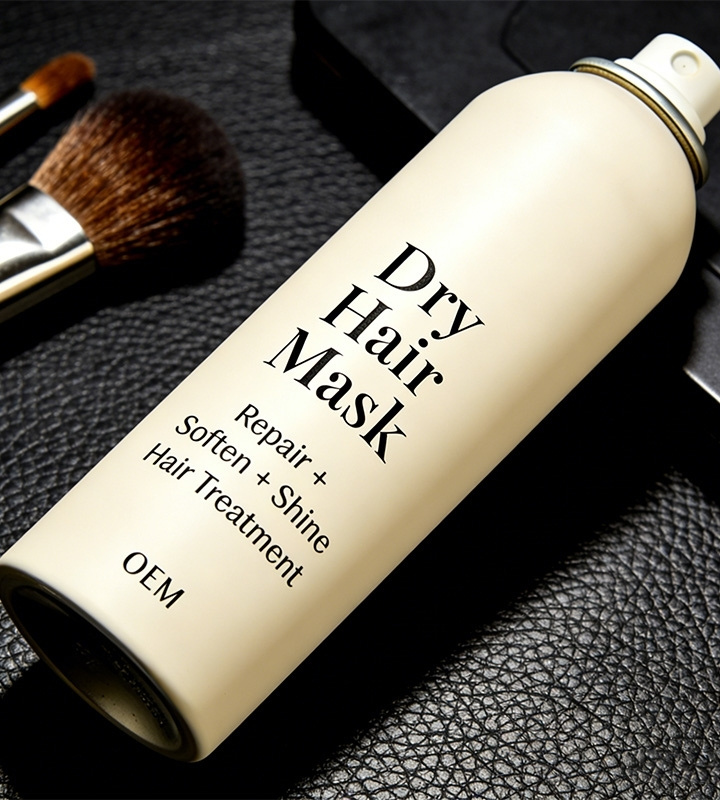
Fine or thin hair gets weighed down easily. Look for lightweight formulas and avoid heavy butters in large amounts.
Thick or coarse hair can usually handle richer formulas. Shea butter, plant oils, and denser creams tend to work well here.
Curly or coily hair benefits from moisture, slip, and frizz control. Look for formulas that define texture without leaving hair stiff or sticky.
Color-treated hair needs gentle, conditioning formulas that won’t accelerate fading.
Heat-damaged hair often does best with a combination of strengthening and moisturizing ingredients that help improve the look and feel of stressed strands.
Choosing the right formula is step one. Using it well is step two. A few small habits can make a noticeable difference:
The difference is often not the product — it’s the routine around it.
For brands developing hair care products, getting the formula right goes beyond ingredients.
Private Label Hair Care Manufacturers help brands think through texture, application format, fragrance level, residue, and packaging — all factors that shape how a product performs in the real world.
Consumers increasingly look for claims like vegan, sulfate-free, cruelty-free, or color-friendly. The format matters as much as the ingredient story.
A formula may look strong on paper, but if it feels sticky, heavy, or difficult to apply, customers are unlikely to keep using it.
Choosing the right hair mask comes down to knowing your hair. How dry or damaged is it? What texture does it have?
Does your routine call for a wash-day treatment, or something more lightweight and everyday?
The best hair mask for dry hair is the one that genuinely suits your texture, your ingredient preferences, and the way you actually live.
Focus on consistent use and reasonable expectations. That’s where results tend to show — and where the right formula really earns its place in your routine.
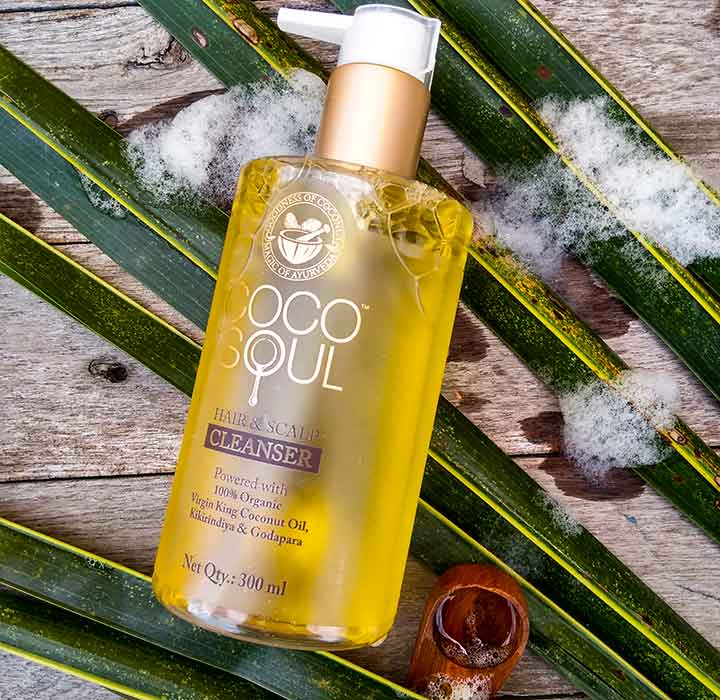
Know everything about Coco Soul Hair and Scalp Cleanser including the ingredients. Check out whether this shampoo is worth the price or not.
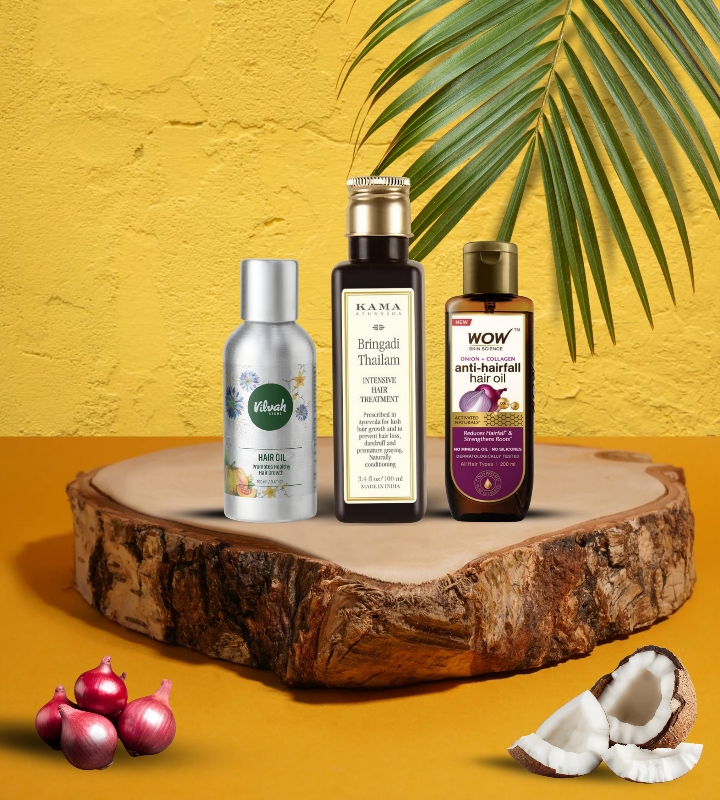
Do you want healthy locks but are confused about choosing the best? Here is a complete guide to help you find the best hair oil in India.
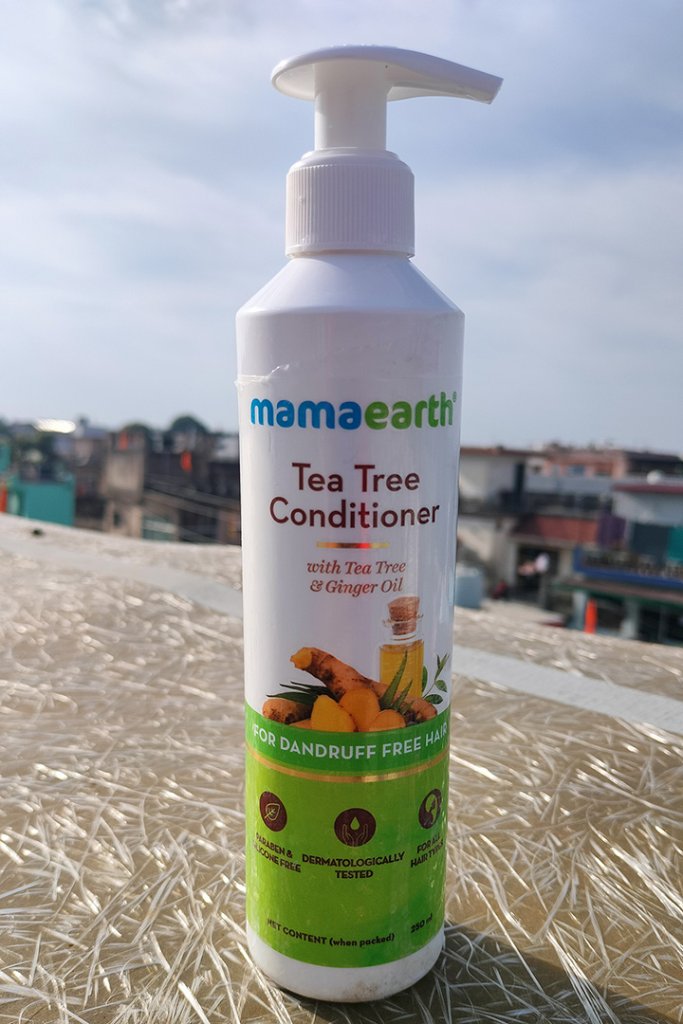
How does Mamaearth Anti Dandruff Conditioner tackle that pesky dandruff? What makes it stand out from the crowd of other dandruff-fighting products out there? Discover more such questions here.
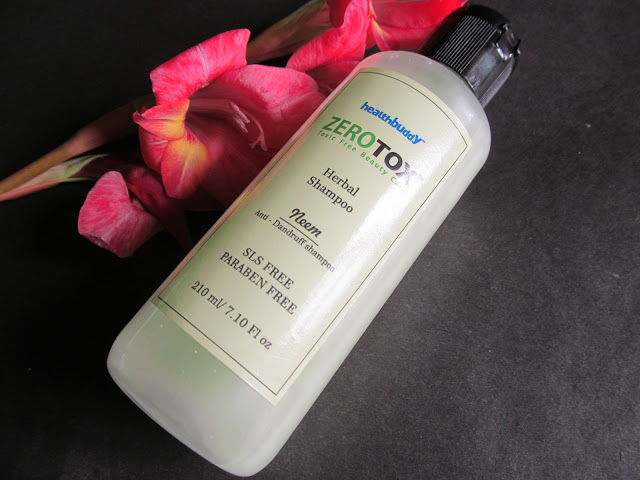
Hello my dear queens. A very warm welcome to Cosmetics […]

Do you want flawless skin like an Indian beauty? Take a look at the skincare routine of 10 successful and beautiful women in India.
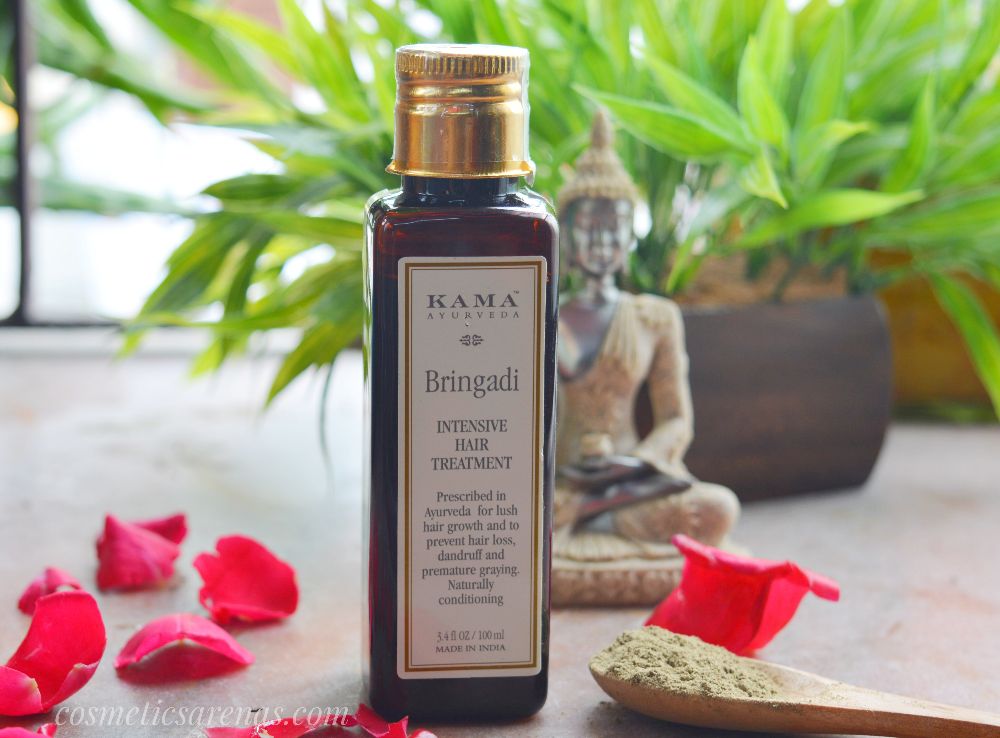
||Kama Ayurveda Bringadi Intensive Hair Treatment Oil Review|| Welcome, Angel! […]

Let not the people tell you anymore that growing your beard is impossible. It's time to listen to an expert about how to grow a beard scientifically and safely.

Check out all the popular launches by Nykaa. The compilation includes skincare, body care, makeup, and many other interesting products.
Check out the curation of the best anti hair fall shampoos in India. All of these are effective and works like magic against hair fall.

Which ingredients are used in mild shampoo? What are the features? Which brands have been included in the compilation? Well! Time for all the answers.
Hair transplant is not only a bit costly but also involves a few factors. Read what the experts tell you about the techniques, risk considerations, recuperation time, and more.
Let's explore how you can add sweet orange essential oil into your skincare and haircare routine for healthy-looking skin and luscious locks.