12 best sunscreen in india: beauty 101
Are you looking for better sun-protection for your skin? Check out these best sunscreens in India and choose what suits the best for you.
For years, I only reached for sunscreen when I was headed to the beach or knew I’d be out in blazing heat.
It lived in my bag like an emergency item, something for “sunny occasions,” not something for every single day.
Then I started paying closer attention to what dermatologists actually say about it, and my whole mindset shifted.
Sun protection isn’t a reaction to sunshine. It’s a daily habit, right up there with sleeping enough, drinking water, and eating well.
It’s not just about avoiding a burn but about giving my skin a fighting chance against everything it absorbs over the years.
Once I started thinking of SPF as part of my wellness routine instead of a beach-day essential, mineral sunscreen made a lot more sense to me.
I wasn’t just blocking rays. I was supporting my skin barrier, day in and day out.
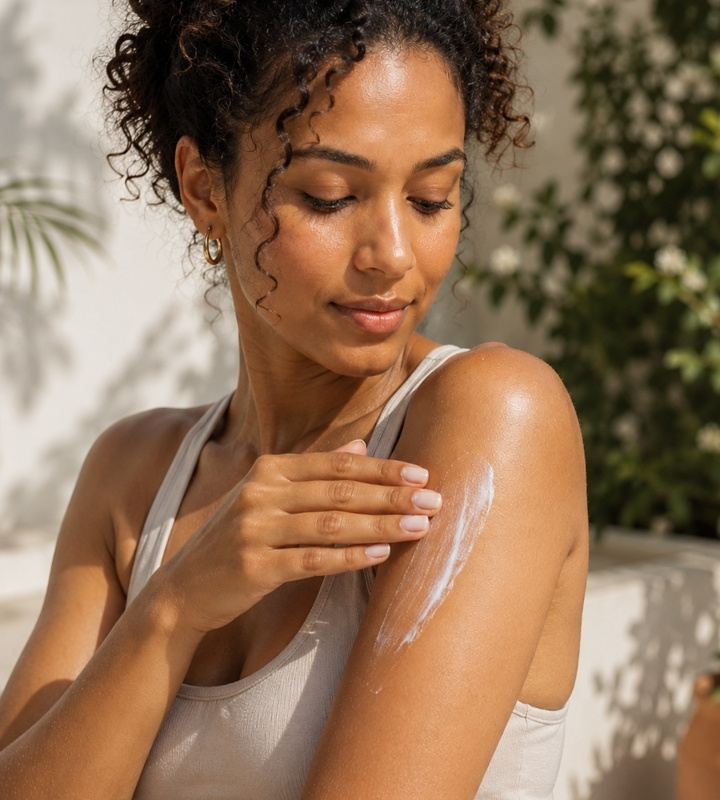
Here’s the thing that really got my attention: the damage from the sun isn’t just the redness or tan you notice right away.
A lot of it happens quietly, underneath the surface, over years.
UV rays trigger something called oxidative stress in the skin.
Basically, they generate free radicals that go after collagen and elastin, the proteins that keep skin firm and bouncy.
Over time, that’s what contributes to sagging and texture changes.
UV also messes with the skin’s lipid barrier, that protective outer layer that keeps moisture in and irritants out.
When that barrier gets worn down from repeated sun exposure, skin starts losing water faster than it should.
This is called transepidermal water loss, or TEWL, and it’s a big reason why sun-damaged skin often feels dry, tight, or easily irritated.
On top of that, UV exposure can quietly stir up inflammation, the kind you don’t necessarily see, but that can show up later as:
Once I understood this, sunscreen stopped feeling like burn prevention and started feeling like barrier maintenance.
Mineral sunscreens rely on ingredients like zinc oxide, which covers both UVA and UVB rays (pretty much everything the sun throws at us) in a single ingredient.
That’s a big deal, because it means broad protection without needing a cocktail of chemical filters.
I also like that mineral filters are photostable. In plain terms, that means they don’t break down or lose effectiveness while you’re out in the sun.
And because they work right on the surface of the skin rather than needing to be absorbed first, they start protecting you the moment you put them on, no waiting around.
If you’re someone with sensitive or reactive skin (like me), that immediacy and stability make mineral formulas feel a lot more trustworthy as part of a gentle routine. Sunscreen doesn’t have to feel like a separate, clinical step tacked onto your day.
It can be the final layer of a routine built around keeping your skin calm and steady.
Something I didn’t fully appreciate until I looked into it: zinc’s reputation for soothing skin goes way back, long before it became a sunscreen ingredient.
It’s been used in treatments for diaper rash, minor irritation, and acne flare-ups for decades.
That history is part of why zinc-based sunscreens are often recommended for people dealing with acne or rosacea.
It’s not just blocking UV, it’s doing double duty by being gentle on already-reactive skin.
So when zinc oxide shows up in your sunscreen, you’re not just getting protection, you’re potentially getting a bit of calm, too.
I don’t think of sunscreen as its own isolated step anymore. It’s the last move in a sequence, not a standalone task. My mornings usually look something like:
The reason this order matters: antioxidants and sunscreen are a team.
Antioxidants clean up oxidative stress that’s already happening, while sunscreen cuts down on the UV radiation that causes that stress in the first place. One works from the inside, one blocks it from the outside.
I’ve also started using tinted mineral SPF under my makeup. It doubles as a light complexion product.
A lot of tinted formulas include iron oxides, which can help address pigmentation caused by visible light, not just UV. It’s a nice two-in-one if you want your sunscreen to pull some double duty.
Not every mineral sunscreen is built the same, and what works really depends on what your skin needs:
At the end of the day, the “best” sunscreen is the one you’ll actually use every single day. Consistency beats perfection here.
I used to avoid mineral sunscreen because of the dreaded white cast, that ghostly film older formulas left behind.
But formulation technology has come a long way, and a lot of modern mineral sunscreens blend in far better than they used to.
I also assumed mineral SPF would feel thick and heavy, like sunscreen from decades ago. That’s changed too.
Plenty of newer formulas feel genuinely lightweight.
And one thing that surprised me: the whole “physical vs. chemical” sunscreen divide isn’t as clear-cut as it’s often made out to be.
In reality, most sunscreens work through a mix of absorbing and scattering UV rays. It’s not always a clean either/or.
Once I stopped thinking of sunscreen as something for “sunny days” and started treating it as part of my everyday defense, right alongside pollution, temperature swings, and other environmental stressors, it just made more sense to keep it consistent.
I don’t think of my sunscreen as a defensive afterthought anymore. It’s a daily investment in how my skin holds up over time.
The same way sleep and nutrition add up over years, so does sunscreen, quietly, in the background, protecting something I’ll want to take care of for a long time to come.
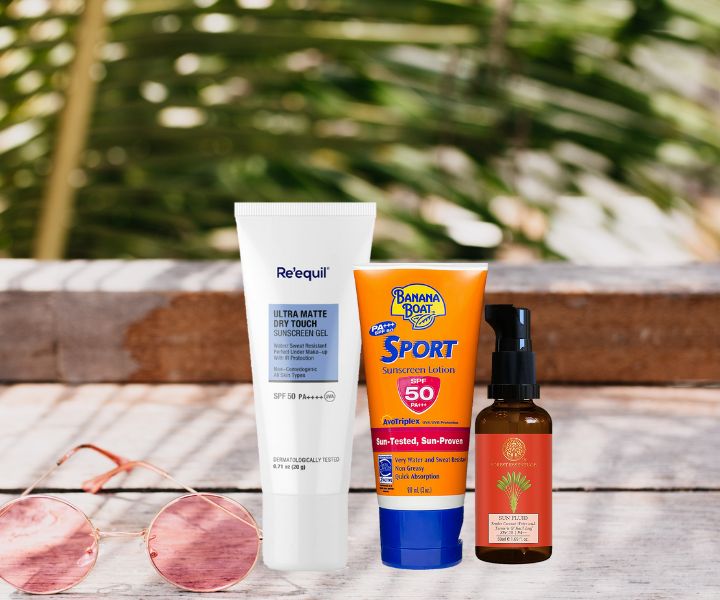
Are you looking for better sun-protection for your skin? Check out these best sunscreens in India and choose what suits the best for you.
How are you my beautiful friends? Today I have come […]
Are you tired finding the right moisturizer for your dry skin? Check this out. You can trust this compilation!

The Great Indian Festival is about to start. Check out 5 handbag essentials that you can grab during this time when offers, deals, and discounts rain from everywhere.
There is no single secret to beautiful and glowing skin. Check out to know about skin nourishing nutrients that can help you attain the beautiful, smooth skin that everybody envies upon.
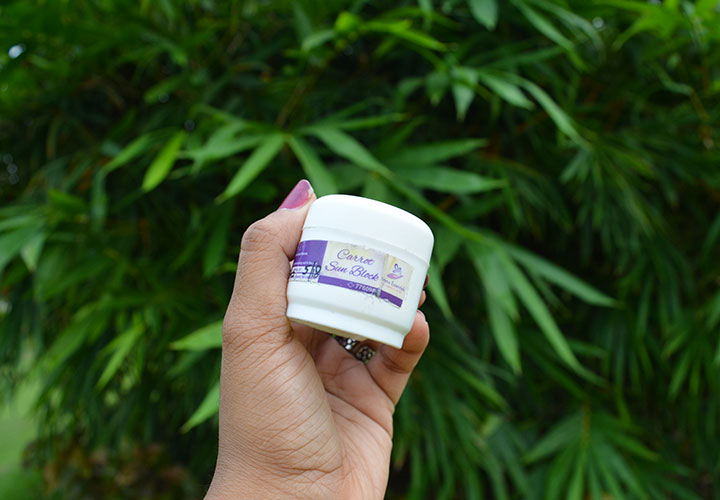
This is a detailed review of Aroma Essentials Carrot Sunblock SPF 30 or a natural sunscreen which has Carrot Oil and Zinc Oxide. Check it out here.
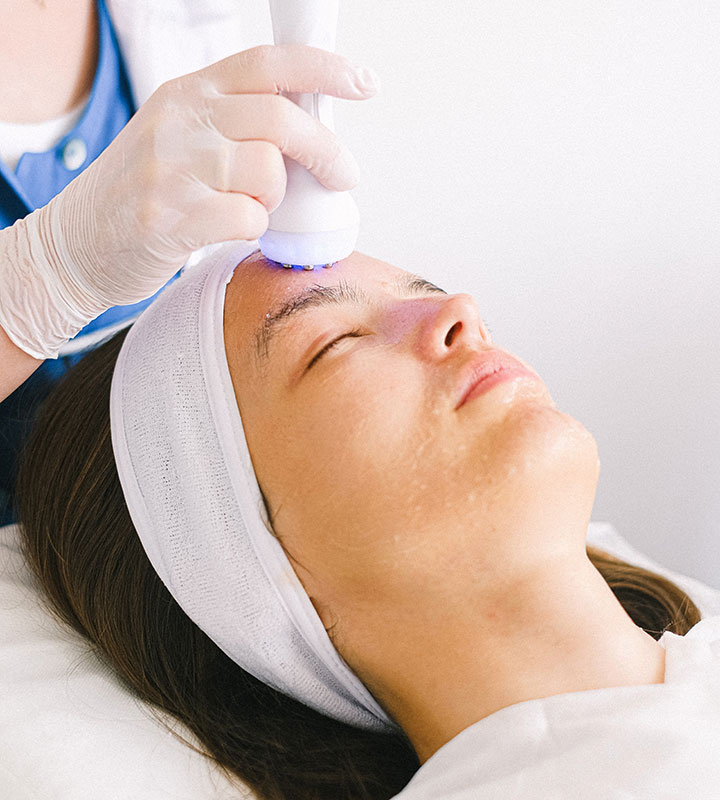
Facial cleansers are quite a trend these days. Know how beneficial these are. Do you really need these cleansers in your skincare regime? Know both the good and bad attributes of these facial cleansers.

Tamannaah Bhatia maintains her glowing skin with a mix of high-end products and natural ways. Here are 8 skincare products and hacks she loves to use.
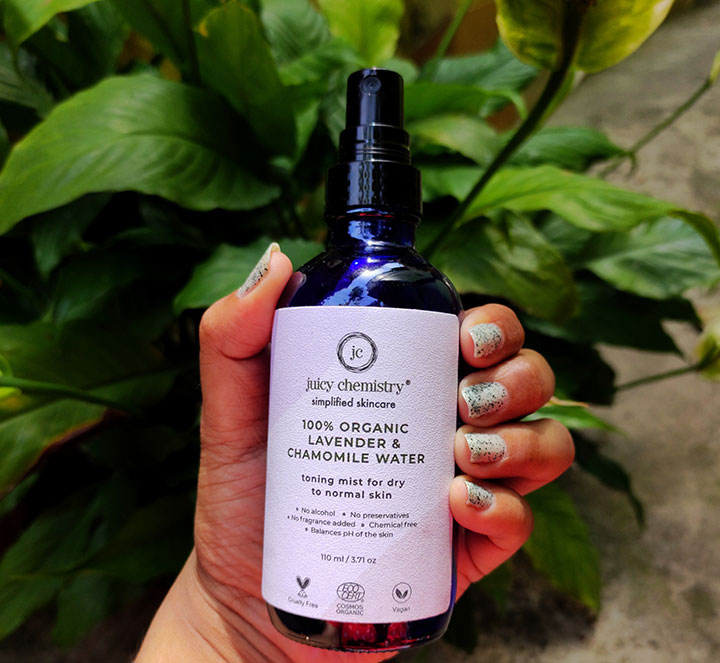
Is it really one of the best chemical-free toning mists out there? Well! Let's check out this review to reveal the truth.

Do I always go for sponsored reviews? Do I review every other brand and its products? Check out how I work with brands and also know the principles I follow.
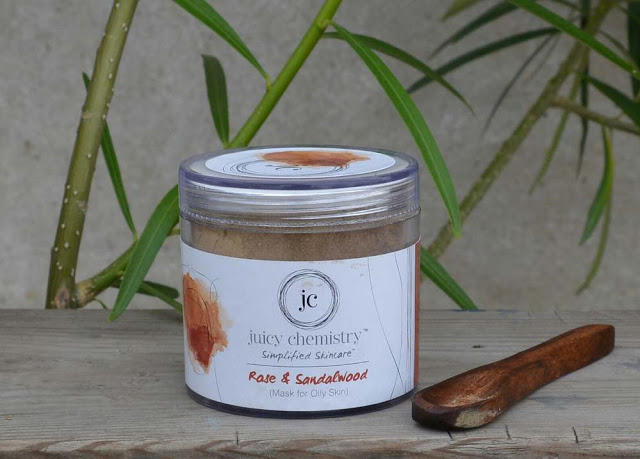
Hello my sweet angels! Today it is time to give […]
It is often said that water intake is the key to glowing and beautiful skin. But, how far it is connected to reality? It's time to check some ground facts.