7 diy recipes for a simple skin care routine at home
It is not quite easy to find out a natural yet effective skin care routine that can be easily followed at home. Well! Here goes a list of 7 natural solutions that you must check out.
Live cell imaging is transforming skincare testing by showing how ingredients work inside living human skin cells in real time. Discover how this technology makes cosmetics safer, ethical, and more effective.
By Keith Myers
Posted on | Last Updated
Imagine you could peek into a living skin cell. You could watch what your favorite serum actually does inside.
Does it soothe inflammation? Does it repair damage? You would see the truth, in real time.
This is not science fiction. This is the cutting edge of cosmetic science. Skincare testing is leaving behind its outdated, static methods.
The future is dynamic. It is visual. It is about understanding life in motion. Researchers now use powerful new tools to go beyond surface claims.
They probe the cellular reality of every cream, serum, and active ingredient.
This revolution is making skincare safer, more ethical, and far more effective. Let’s look at how this technology works.
Old testing methods gave scientists a “snapshot.” They would treat cells and look at the results hours later. This missed the whole story.
Did the cells die instantly or slowly over time? Did the ingredient cause immediate stress? You could not see these critical details.
A modern live cell imager changes everything. This powerful microscope keeps cells alive and happy inside a controlled incubator.
It then takes pictures of them automatically, over hours or days. This creates a movie of cellular life. Scientists watch processes unfold.
They see how cells move, divide, and communicate. This real-time view reveals truths that a single snapshot can never show.
For years, animal testing was a standard. It raised serious ethical questions. It also did not perfectly predict human reactions.
Regulatory bans have pushed the industry to find better ways. Live cell imaging is a cornerstone of this new approach.
Researchers now test products directly on human skin cells grown in the lab. This creates the closest possible model to real human skin.
They can add a new anti-aging compound and watch. Do the cells thrive? Or do they show signs of toxicity?
This method provides clear, human-relevant safety data without ethical compromise. It is a win for both science and conscience.
Everyone wants to fight wrinkles. But modern science targets the root causes of aging inside the cell. Live cell imaging lets researchers hunt for “zombie cells.”
These are senescent cells. They stop working but refuse to die. They cause inflammation and tissue damage. Some of the most advanced anti-aging ingredients are “senolytics.”
Their job is to safely clear out these zombie cells. With a live cell imager, scientists can literally watch this happen.
They can see the senolytic compound enter a culture. They can track it as it induces death only in the old, damaged cells while leaving healthy cells alone.
Skin brightness and hydration are not just surface-level concerns. They are deeply cellular. Melanocytes produce pigment.
Lipid droplets in cells are key to skin hydration and sebum control. Live cell imaging allows researchers to monitor these specific structures without harming the cell.
They can test a new brightening ingredient. Then, they watch the melanocytes in real time to see if pigment production slows down.
They can measure the formation of lipid droplets to prove an ingredient’s hydrating power. This turns marketing claims into visual, measurable science.

A single experiment can generate thousands of cell images. Analyzing this data by eye is slow and subjective.
This is where Artificial Intelligence becomes such an important team player. AI algorithms are trained to analyze these live-cell movies.
They can detect subtle changes in cell shape or count dying cells with incredible speed and consistency.
They remove human bias. This means results are more reliable and reproducible. AI can spot complex patterns a researcher might miss.
It accelerates the journey from discovery to a proven, effective product.
The ultimate test is on real, living human skin. Here, too, imaging technology is vital. Techniques like fluorescence photography use special light to see the skin’s natural glow.
This glow comes from molecules like collagen and elastin. It changes with age, sun damage, and health. Researchers use this method to test products on human volunteers.
They take a baseline image. After a product is used for weeks, they take another. Advanced software can measure tiny improvements in skin structure and clarity.
This closes the loop. It connects what happens in a lab cell to what happens on your face.
This cellular revolution points to one inevitable conclusion: personalized skincare. Your skin’s cells are unique.
Future testing could analyze your specific cell response to different ingredients. Brands could use this data to formulate products tailored just for you.
Live cell imaging provides the foundational science to make this possible. It moves us from a world of one-size-fits-all to solutions designed for individual biology.
The beauty industry is undergoing a profound transformation. It is moving from art to precise science. Live cell imaging is the lens bringing this new world into focus.
It ensures that the products we trust are not just pleasant promises. They are cellular truths, vividly revealed.
The next generation of skincare will not just make you look better. You will know, at a microscopic level, exactly how and why it works.

It is not quite easy to find out a natural yet effective skin care routine that can be easily followed at home. Well! Here goes a list of 7 natural solutions that you must check out.

Sea buckthorn oil might be the missing component in your skincare routine. This may seem like a strong statement, but we're confident you'll agree after knowing about all the miracle properties of this unique skin-loving component.

An honest review of Hyphen All I Need Sunscreen SPF 50 after finishing two tubes. Find out detailed ingredient analysis, texture, eye stinging, white cast, and performance on my skin type.

Learn how to choose reliable Chinese cosmetic manufacturers based on batch consistency, testing standards, and real production experience. A practical guide for makeup and private label brands.
Explore how modern acne treatments—from precision lasers to refined peels and light therapy—are transforming skincare with safer, targeted solutions.
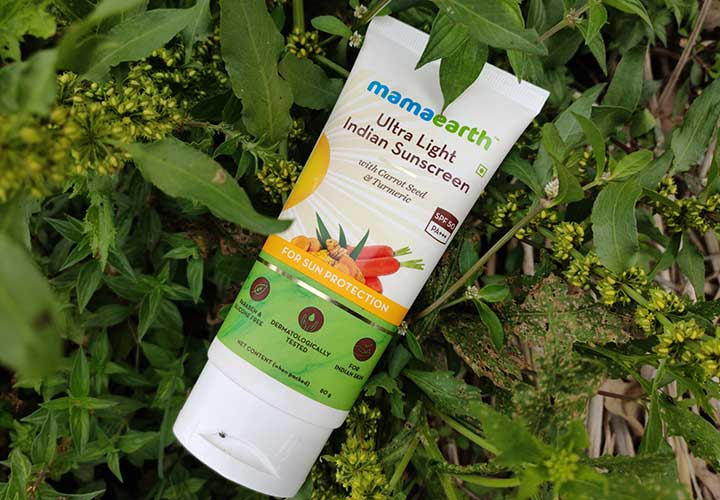
Check out why you need to try out Mamaearth Ultra Light India Sunscreen SPF 50 PA+++. All the ingredients are analyzed in-depth here.
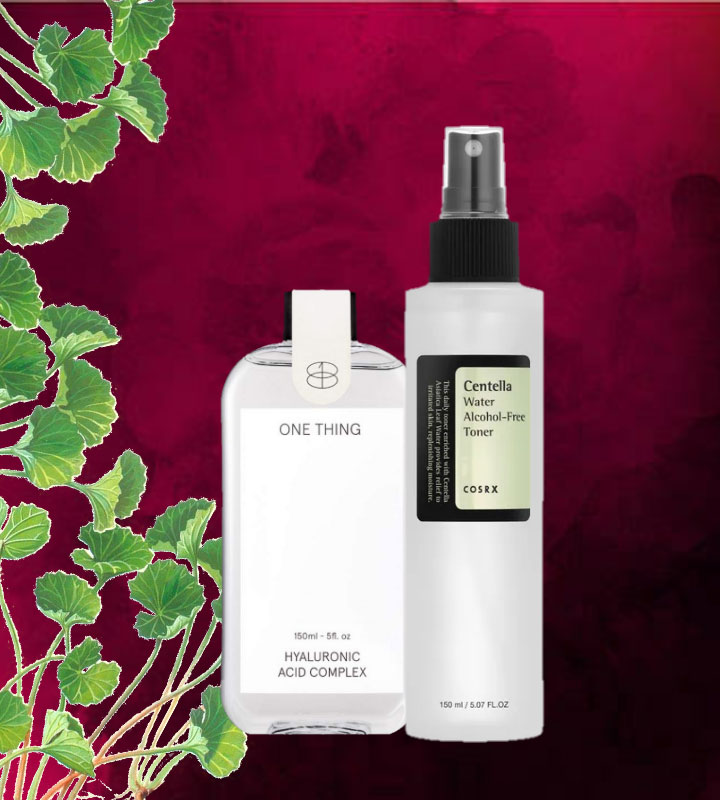
It's been one month now that I am using two whole new Cosrx Skincare products and a One Thing skincare product. Did I like those? Well! Check out to know the brief.
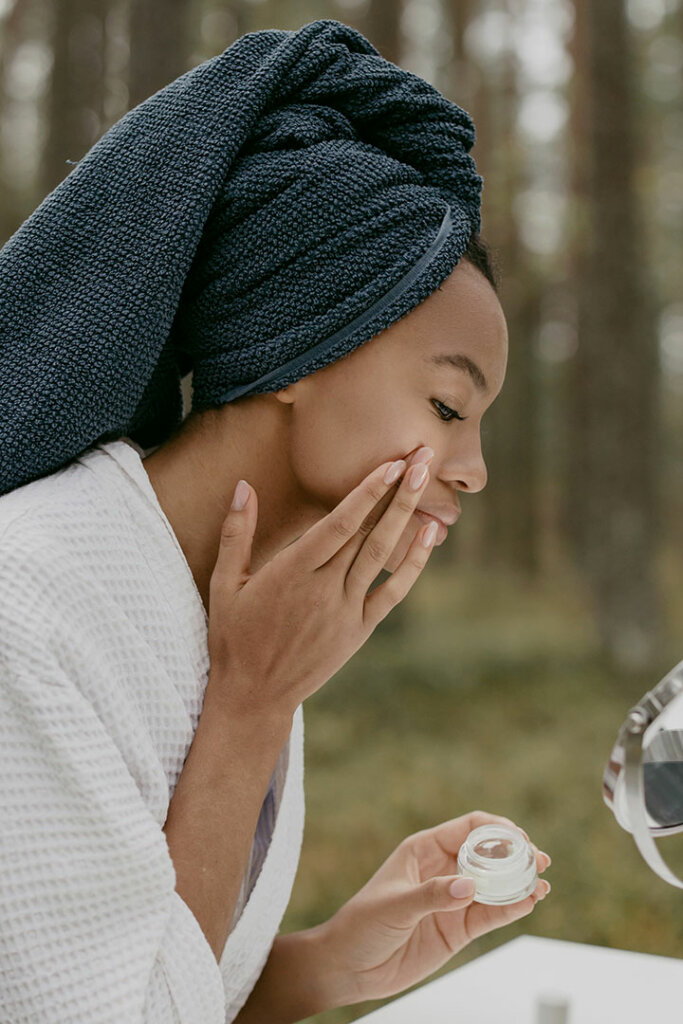
If you're looking for an easy way to add glow to your skin, strobe cream can be your armor. Know how to use a strobe cream like a pro.
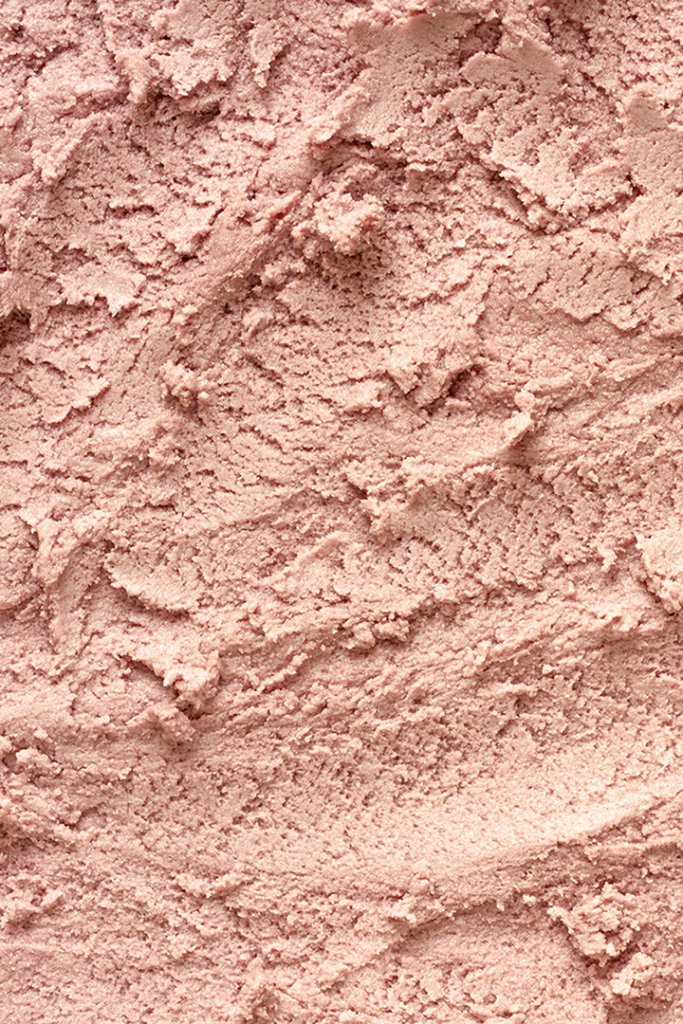
There is reason why Pink clay is loved by skincare enthusiasts. Explore different types, remarkable benefits, and side effects of using pink clay in skincare that are not known by many.
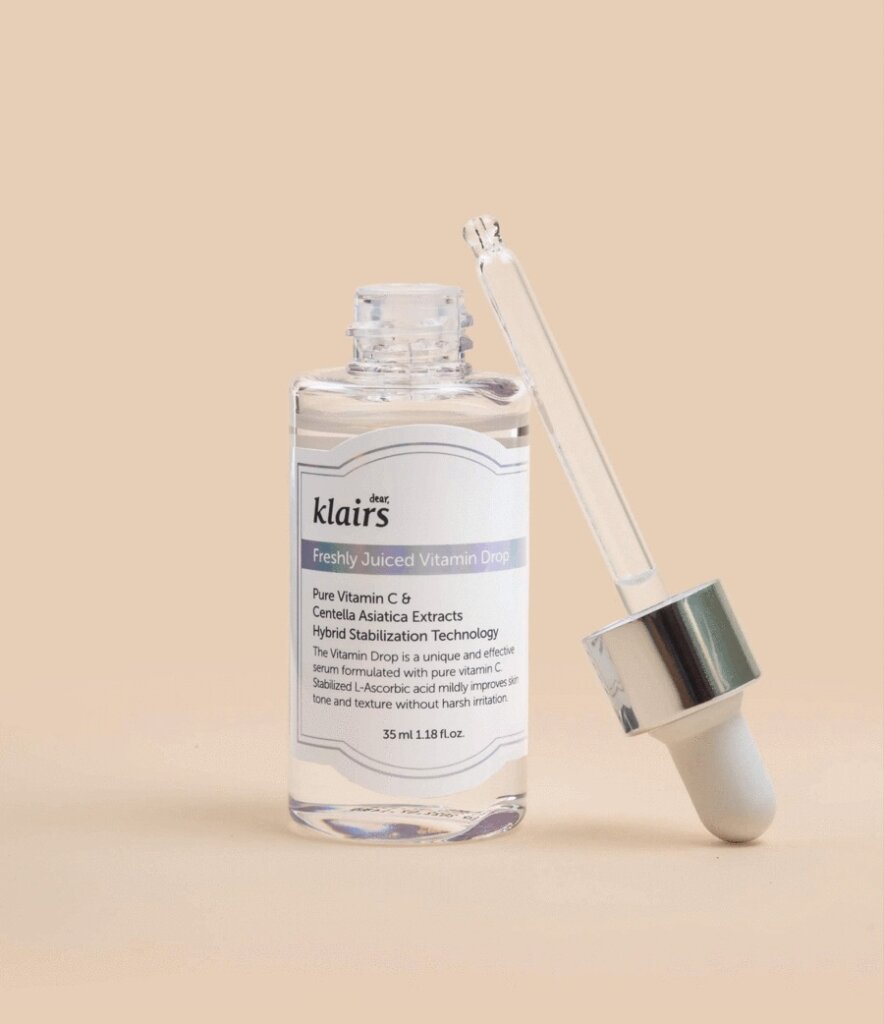
Buying Korean skincare products has become easy now. Check out how Limese can be your one-stop destination to purchase Korean cosmetics.

|| Duft Face and Hand Moist Wipes Review || Hello, […]
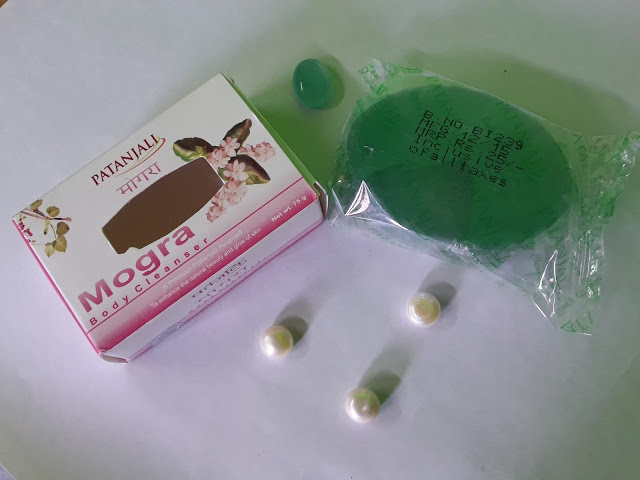
Howdy my dear friends?All well I hope. Welcome to Cosmetics […]