16 ingredients to avoid in skincare products
Unknowingly, you are harming your body by applying chemical products. So, here is the list of ingredients to avoid in your skincare routine.
Discover what makes makeup last all day. Learn how film formers, primers, and setting sprays work—especially in heat and humidity—for truly long-lasting results.
By SOMA
Posted on | Last Updated
Everyone wants makeup that looks fresh from morning to night. But heat, sweat, oil, and humidity can quickly break it down.
Foundation can separate. Mascara can smudge. Lipstick can fade. So what really makes makeup last all day?
To understand this, we need to look at three main things: film formers, setting sprays, and long-wear formula ingredients.
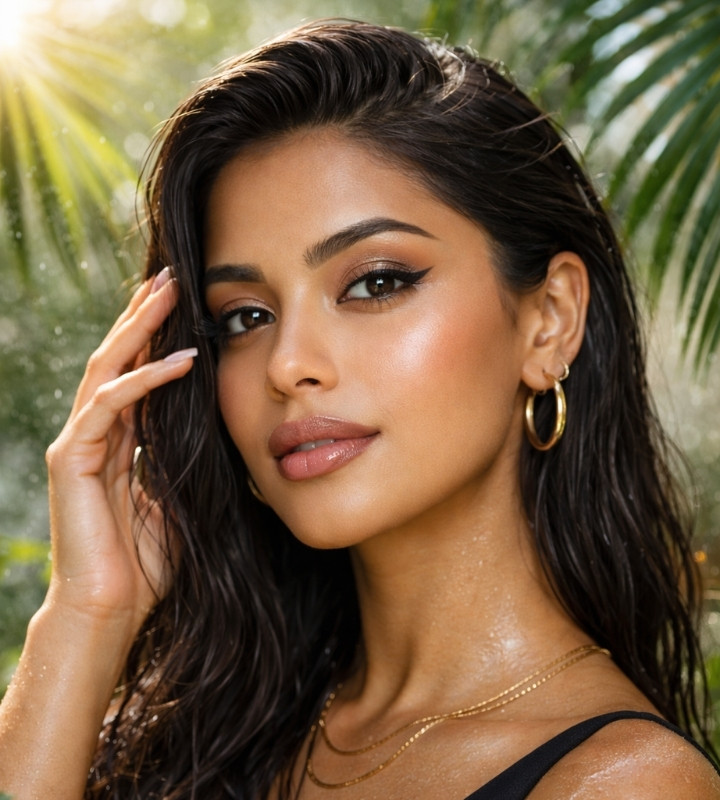
Film formers are special ingredients that create a thin, flexible layer on the skin. This layer helps “lock” makeup in place. Think of it as a light shield that holds pigments where they belong.
Many long-wear foundations, mascaras, and liquid lipsticks use film-forming polymers. These ingredients help resist sweat, oil, and rubbing.
They also improve transfer resistance, which means less makeup comes off on clothes or masks.
Some modern technologies, like Biogel, are designed to improve texture while supporting long wear. Ingredients like this can help formulas feel smooth and comfortable.
This balance is important because strong hold should not mean uncomfortable skin.
Film formers work best when they are built into the product itself. That means the staying power is part of the formula, not just something added at the end.
Setting sprays are usually applied after all makeup is done. They often contain water, alcohol, and polymers. When sprayed onto the face, they form a light film over the entire makeup layer.
Some sprays mainly help powders blend together, giving a more natural finish. Others are designed for long wear. These long-wear sprays often use alcohol to help the product dry fast and set quickly.
However, setting sprays do not change the formula underneath. If the foundation or concealer is not long-lasting on its own, a spray can only help so much. It acts like a topcoat, but it cannot fix a weak base.
In humid weather, alcohol-based sprays may dry quickly at first. But high humidity can still break down makeup over time. Moisture in the air softens the film and can cause slipping or fading.
Primers sit between skincare and makeup. They create a smoother surface and can control oil.
Some contain silicones that fill in pores and fine lines. Others use gripping polymers to hold the foundation in place.
Primers can improve wear time, especially for oily skin. But like setting sprays, they work best when combined with strong long-wear formulas.
Humidity is one of the biggest challenges for makeup. When the air is full of moisture, it affects both the skin and the product.
Skin may produce more oil in humid conditions. Sweat also increases. This combination can break down foundation and cause patchiness.
Film-forming ingredients that are water-resistant or sweat-resistant perform better in these conditions. Flexible polymers are especially useful because they move with the skin instead of cracking.
This is why many makeup cosmetic manufacturers focus on advanced polymer systems. The goal is to create formulas that stay strong even when exposed to heat and moisture.
If you want makeup that truly lasts all day, the formula matters most. Built-in film formers provide the strongest and most reliable hold.
Setting sprays and primers can help, but they are support tools, not the main solution.
For everyday wear in normal weather, a good primer and setting spray may be enough. But in hot or humid conditions, products made with strong film-forming technology will perform better.
In simple terms, long-lasting makeup starts inside the formula. The right ingredients, combined in the right way, make all the difference between makeup that fades and makeup that stays fresh from morning to night.
Unknowingly, you are harming your body by applying chemical products. So, here is the list of ingredients to avoid in your skincare routine.

It was a roller coaster ride for sure. Check out how I managed to survive pretty well in this blogging world for the last 5 years where every turn is challenging.

Amazon India's Black Friday Sale offers significant discounts. Here are 13 top-rated beauty products that you can purchase this year on sale.
Hello my lovely friends. Today I will review Coloressence Lip […]
So, are the cute balms really good? Is the price justifiable? What about the goodness of the ingredients? Well! Let's check out all the answers here.
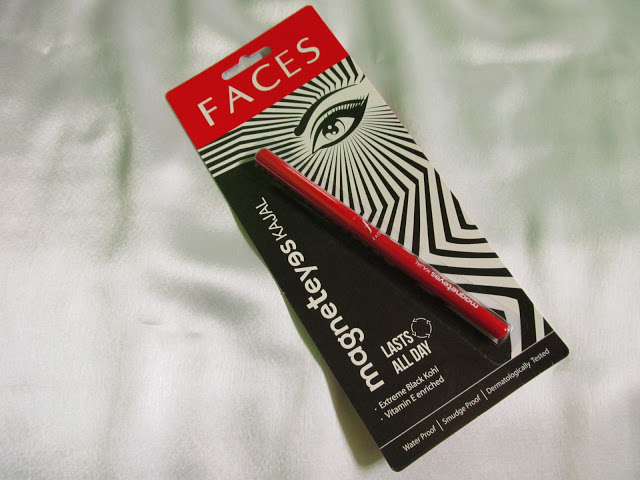
Faces Magneteyes Kajal Review Holla beauties, welcome to CA. Today […]
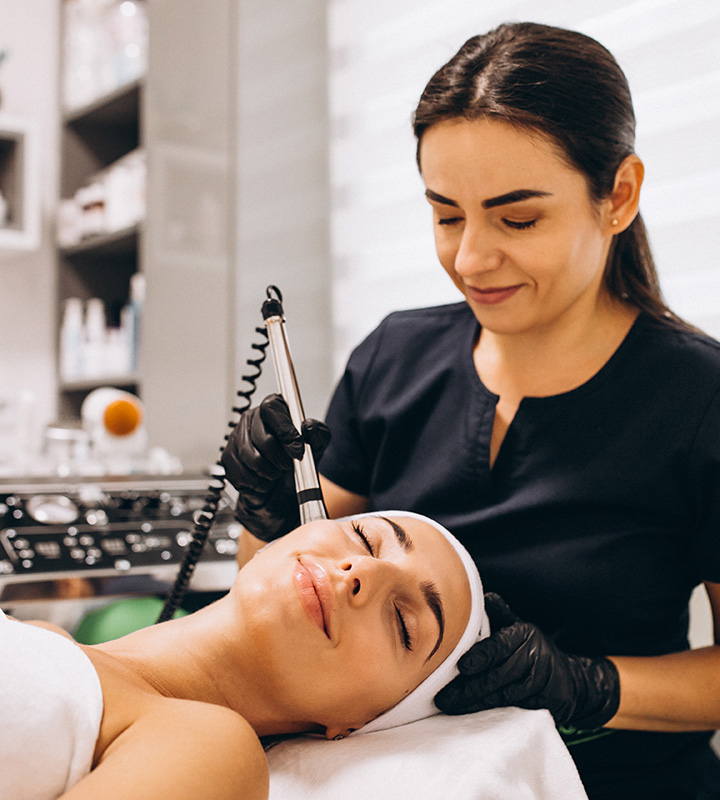
Spa equipment is becoming increasingly sophisticated. Know how you can purchase the right equipment and supplies used for your spa.

Discover the best Black Friday deals on Grande Cosmetics! From lash serums to lip plumpers, this guide covers top products, exclusive sets, and shopping tips to help you save big on beauty essentials this holiday season.
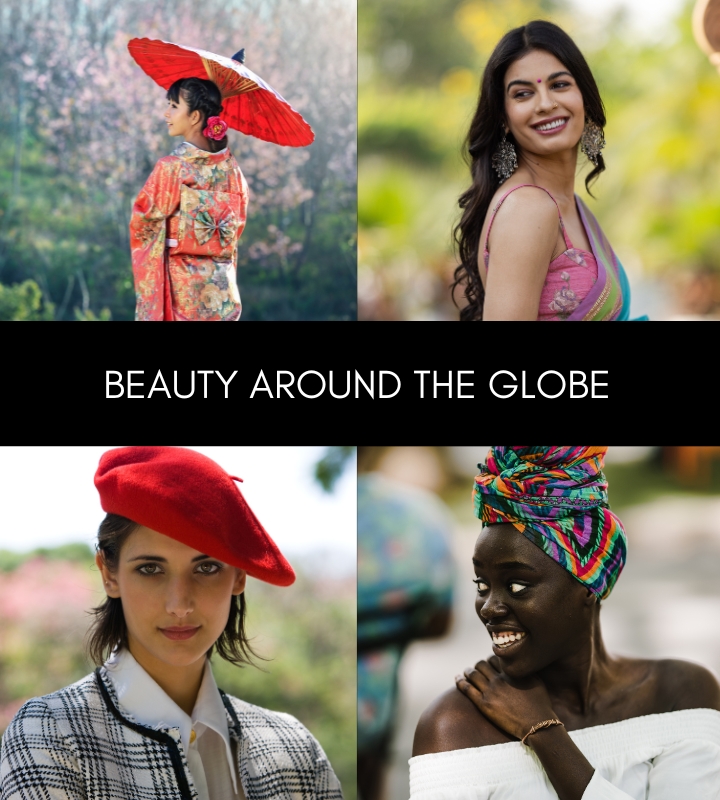
Let us explore the world of beauty rituals, fascinating glimpse into diverse cultures and their unique perspectives on skincare and makeup.
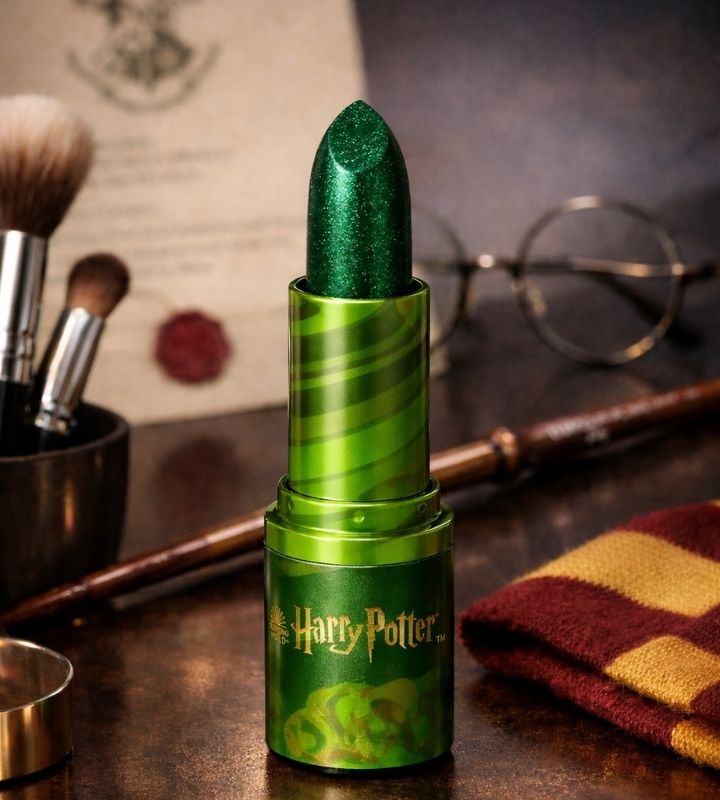
Explore Harry Potter lips inspired by Hogwarts house colors. From Gryffindor reds to Slytherin greens, discover magical lip makeup ideas, tutorials, and wearable fandom looks.

For a long time, Lakme has been ruling the makeup market. Check out all the Lakme Eyeliners they have in their stash to make your eyes more dramatic.
Boujour sweethearts, welcome to CA. Today I would love to […]