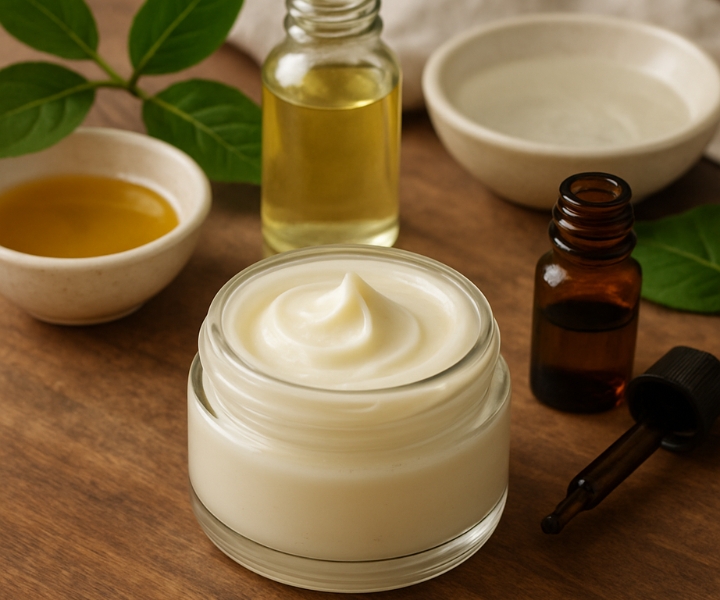
A cica facial is built around Centella asiatica, a botanical extract that shows up in many products aimed at easily irritated skin.
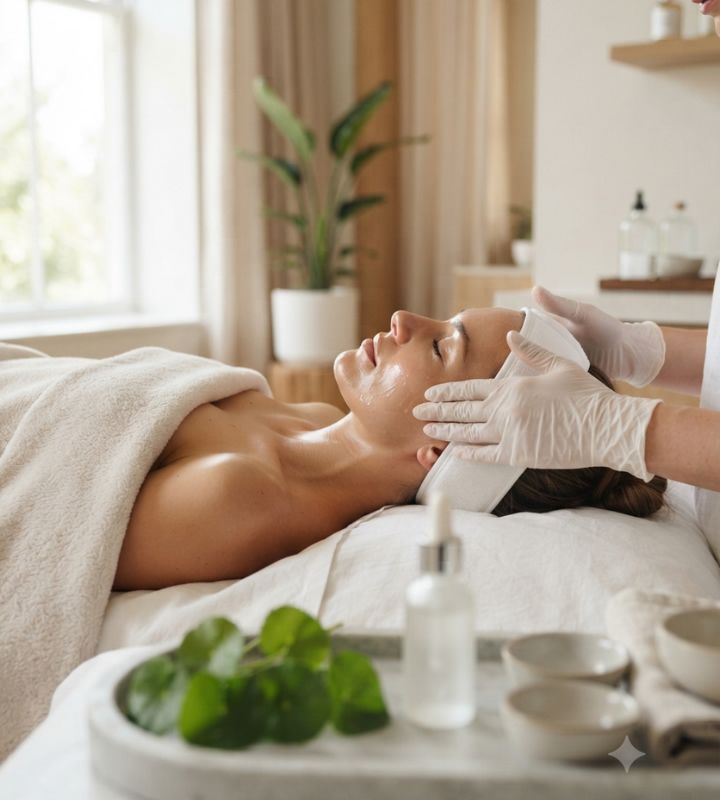
For acne-prone skin in Singapore’s heat, the appointment runs as a sequence of stages you can discuss and adjust.
Knowing those stages beforehand gives you more to work with in the consultation.
What cica actually is
Centella asiatica is a leafy plant, and cica is the shorthand used on labels and treatment menus. On some labels it appears as gotu kola, the plant’s other common name.
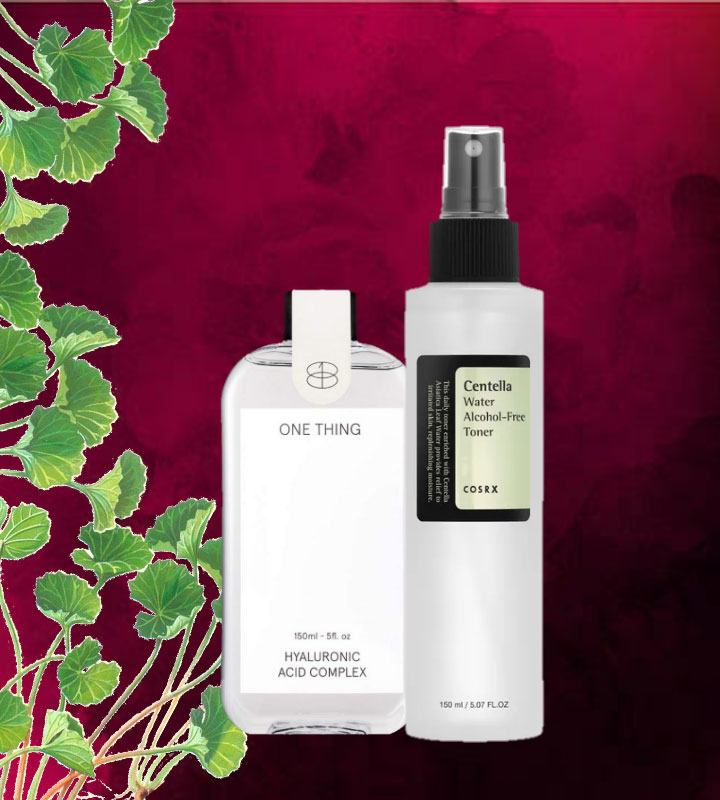
The extract contains natural compounds such as madecassoside, and it appears often in products positioned for redness and reactivity.
Many people with acne-prone skin also describe their skin as reactive, especially after cycling through strong products.
A botanical associated with gentle care naturally draws interest from people dealing with blemishes at the same time.
There is no single universal cica protocol. Two providers can advertise the same cica facial and run quite different appointments. One may lean on masks and massage, another on serums and devices.
The consultation is where you find out which version you are getting.
The skin discussion and analysis
Most appointments open with a conversation before anything touches your face.
Expect questions about your current routine, the products you use, how your skin behaves between outdoor humidity and air-conditioned rooms, and any past reactions.
You don’t need ingredient names memorized.
A photo of your shelf or a short list on your phone is enough for the therapist to work with.
Honesty helps here, since the therapist plans around what you actually do at home.
This is the moment to raise preferences.
Mention if your skin flushes easily, if fragrance bothers you, or if you use leave-on actives.
Say what you want from the session too, whether that’s a gentler pace or extra attention on congested areas.
Some therapists follow the chat with a closer look under magnification or a skin analysis device.
Ask what they see. A plain explanation of your skin’s condition that day is worth having, even if you’ve heard similar before.
Cleansing and pore care
Cleansing often comes in two passes, with a first cleanse to lift sunscreen and surface oil and a second to wash the skin itself.
Some providers follow this two-stage approach, though the exact sequence and products vary from one facial to the next.
Some protocols add steam or a warm towel before pore care to soften the skin. If heat makes you flush, say so early and the therapist can adjust.
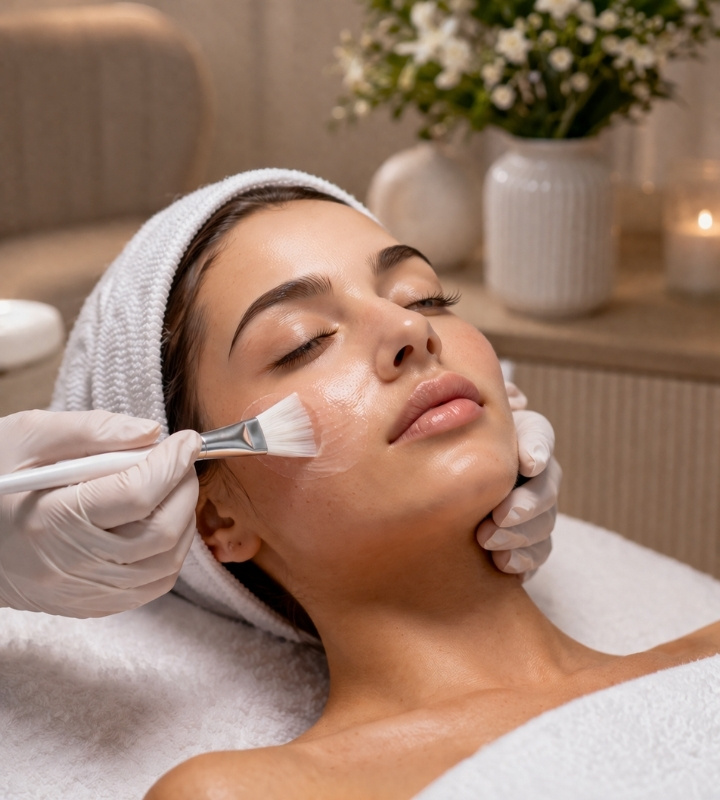
Pore care itself varies the most between providers. Some use a softening prep and a gentle device, such as ultrasonic or fluid-based tools.
Others keep to manual methods. You can ask what is planned before the session begins, and you can request a lighter touch around active blemishes.
A treatment page such as the one for the Cica Rescue facial for acne-prone skin is one example you can consult when comparing how providers describe an appointment.
Reading any treatment menu this way turns it into questions about the visit: what happens at each stage, how long the session runs, what is included in the listed price and what costs extra.
Boosters, masks and the cica step
After pore care, many protocols move to a booster, a concentrated serum step. Cica may appear here, in the mask, or in both.
Niacinamide is another frequent inclusion for acne-prone skin, and hydrating ingredients such as hyaluronic acid or glycerin often round out the formula.
Some providers apply serums with a handheld device, while others work by hand. If a device is involved, ask what it does and how it feels.
Most therapists will talk you through the sensation before they start. The order matters less than knowing what’s going on your face, so ask for a quick rundown of each layer.
The mask stage is the quiet part of the appointment. You rest while it sets, and you can ask what the mask contains if ingredients matter to you.
Sheet, gel, cream and clay formats all show up, and each wears differently on warm skin.
Aftercare and the questions worth asking
Aftercare closes the session. The therapist may finish with hydration and sunscreen, then suggest how to treat your skin that evening. Ask when to restart your usual actives.
Some providers send you home with written notes, while others list products verbally, so jot them down.
If your skin looks flushed straight after, ask how long that tends to last for the method used.
A short list of questions covers most situations:
- Which stages does the facial include, and where does cica appear?
- Can the method or pressure be adjusted around inflamed spots?
- Which products were used, so you can note anything your skin liked?
- What should you skip at home for the next day or two?
Bring the answers to your next visit. Once a therapist has your preferences on record, you spend less time explaining and more time getting the treatment adjusted to you.
A cica facial for acne-prone skin works best when you arrive with your product list and your questions ready.
The more specific you are, the easier the appointment is to tailor.