Dropping pounds reshapes your health and unlocks a whole new level of daily energy.
Shedding a massive amount of weight is a massive achievement, but it often leaves behind an unexpected reminder of your old body.
Loose, sagging skin can feel like a frustrating trade-off after all your hard work.
Understanding how your body changes during this journey helps you take control of your appearance.
You can protect your tissue from the effects of rapid deflation.
It takes a mix of targeted habits, smart nutrition, and patience to help your body adapt to its new size.

The Science of Skin Elasticity
Your body uses specialized structural building blocks to keep everything firm and flexible.
Collagen provides the underlying strength, while elastin allows your tissue to snap back after stretching.
When you carry extra weight for a long time, these fibers stretch out to accommodate the larger surface area.
Rapid shrinkage throws this system off balance because the outer layer loses its support structure too quickly.
Recent medical research shows that advanced weight loss medications change how your body manages this process.
A 2025 paper found that GLP-1 receptor agonists can actually inhibit the stem cells that maintain skin health from producing collagen, elastin, and hyaluronic acid.
For individuals considering these treatments, reviewing reliable Zepbound (tirzepatide) information can provide valuable context about potential effects beyond weight reduction alone.
This means medical intervention requires extra attention to your dermatological health.
Knowing how these prescriptions alter your cellular structure allows you to build a better defense system for your body.
Track Your Rate of Loss
The speed at which you drop sizes plays a massive role in how well your body snaps back.
Speeding through a diet might feel rewarding on the scale, but it gives your tissue zero time to shrink naturally.
Giving your body a chance to adapt prevents the sudden deflation that causes extreme sagging.
A steady pace is always the safest route for your appearance and your overall health.
Expert research supports that losing about 1 to 2 pounds per week is the optimal rate for healthy and sustainable weight loss.
This deliberate pace allows your outer layers to remodel their internal matrix as you shrink.
Slower weight loss gives your skin more time to adjust and remodel.
You will find that your patience pays off with a much smoother contour down the road.
Prioritize Lean Mass Preservation
Losing weight does not just mean losing fat. If you are not careful, your body will break down muscle tissue for energy during a heavy calorie deficit.
Losing muscle reduces the underlying volume that keeps your upper layers looking tight and toned.
Preserving this lean mass provides a natural filler that prevents a hollow, deflated look.
Studies suggest that 20 to 50 percent of the total weight loss in individuals using semaglutide is due to muscle mass reduction.
This issue is particularly evident in those with significant initial body weight.
You must actively fight this loss by eating enough protein and lifting weights.
The Power of Muscle Support
Building muscle provides a firm base that fills out loose areas from the inside out.
While you cannot grow new skin cells to tighten things up, you can expand the muscle underneath to take up the empty space.
This strategy works wonders for areas like the upper arms, thighs, and glutes.
- Lift weights or use resistance bands 3 times every week.
- Eat protein at every meal to give your muscles building blocks.
- Track your strength levels to ensure you are not losing power.

The Impact of Medication Choices
Different weight management strategies yield different structural outcomes for your body.
Medical oversight can help protect your lean mass better than solo dieting if you select the right path.
Clinical data shows a massive difference in how different approaches impact your physical composition.
A clinical trial analyzed a combination group that lost 38.2 percent of body weight compared to a lifestyle-only group that lost 24.6 percent.
The hidden metric was fat-free mass, as the drug-assisted arm preserved nearly 6 kilograms more lean tissue.
Keeping that extra lean tissue acts as a natural scaffolding for your frame.
It helps maintain a firmer appearance even when the fat drops off quickly.
Facial Volume Realities
The changes to your body will show up in your face very early in the process. Rapid deflation in the cheeks and jawline can make people look older or tired.
This happens because facial fat pads shrink long before the surrounding tissues can adjust.
Data from Allergan Aesthetics highlights that facial volume loss is the leading aesthetic impact, with 61 percent of GLP-1 patients experiencing midface volume loss.
This is followed closely by general skin laxity at 50 percent, and facial wrinkles or folds at 35 percent.
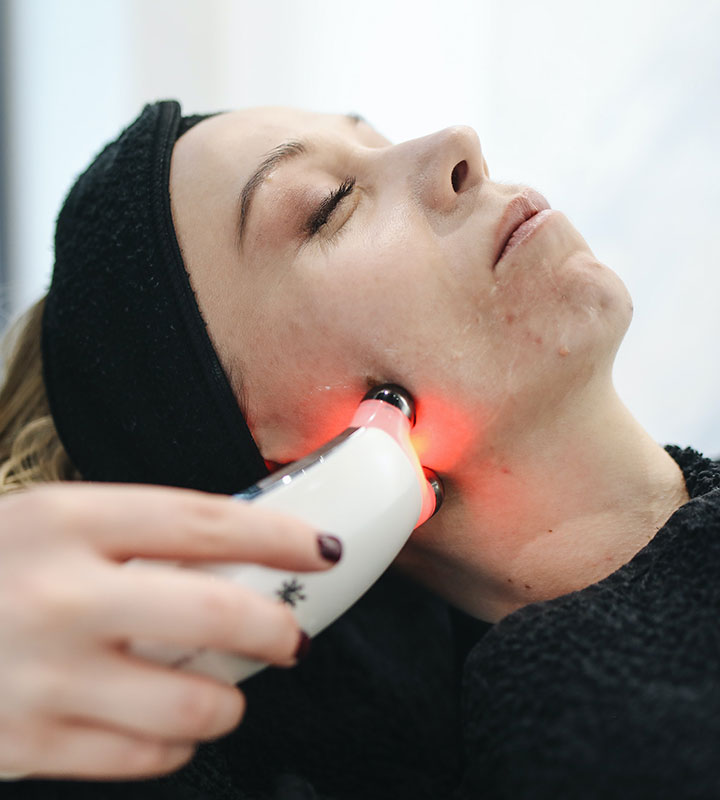
Managing this specific issue requires specialized topical care and targeted hydration.
Targeting Facial Rejuvenation
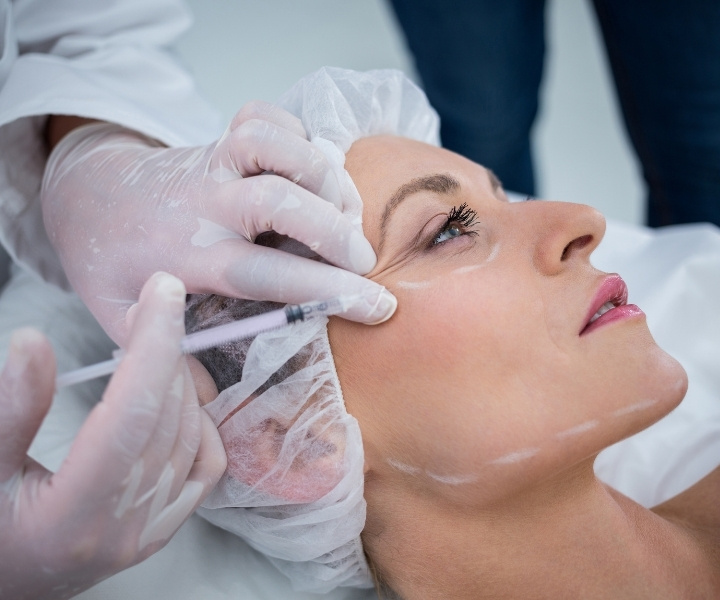
You can combat this hollow look without jumping straight to cosmetic surgery.
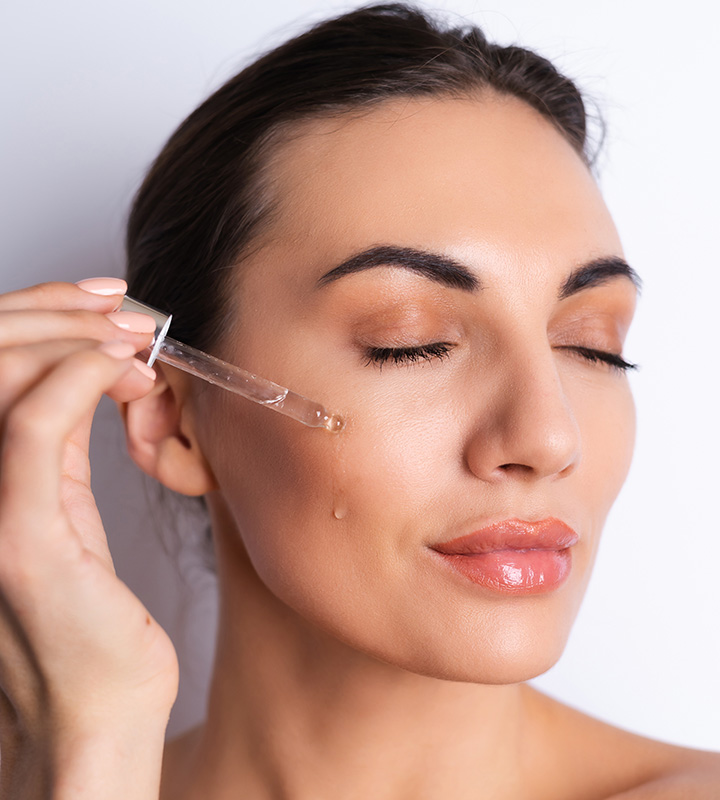
Daily facial care routines focus on plumping the outer layers to minimize the look of lines and sagging. Consistency with targeted formulas makes a noticeable difference.
A recent clinical study confirmed that the use of a topical volumizing cream improved the appearance of facial volume, wrinkles, and biophysical characteristics in participants who had undergone rapid weight loss primarily due to GLP-1/GIP agonist use.
Applying these formulas twice daily keeps the tissue hydrated and resilient. Look for products that feature peptides and hyaluronic acid to maximize the plumping effect.
Structural Changes Beyond Fat
Your body undergoes a massive internal reorganization when you drop significant weight.
It is a total soft tissue overhaul that alters multiple layers of your anatomy.
Doctors are paying closer attention to these widespread changes as medical weight loss becomes more common.
A comprehensive review in the Journal of Dermatologic Drugs highlights effects on collagen and elastic fibers, adipose tissue redistribution, muscle mass depletion, and potential reductions in bone density.
This means your maintenance plan must focus on total body wellness rather than just topical creams.
Supporting your bones and muscles ensures your outer layers have a solid foundation.
Hydration and Nutrients
Drinking water is the simplest method to keep your tissues looking healthy and full.
Dehydrated cells shrink and lose their bounce, which makes any existing sagging look much worse.
Keeping your fluids up ensures that your cells stay plump and functional.
- Drink at least 8 to 10 glasses of water every day.
- Eat foods rich in vitamin C to help your body produce natural collagen.
- Include healthy fats like avocados and nuts to moisturize your tissue from within.
Maintaining your health and comfort is the ultimate goal of any body transformation.
Loose tissue is a common part of the process, but it does not diminish the incredible health benefits you have earned.
Focus on nourishing your body, staying strong, and giving your tissues the time they need to rebuild.
Your hard work has given you a healthier future, and your body will continue to evolve and adapt every single day.