How a minimizer bra creates a smooth and balanced look
Want your clothes to drape effortlessly without gaps or bulges? Know how a minimizer bra acts like a quiet hero—giving you a refined silhouette and all-day confidence.
Learn how to build a trend-led wardrobe without overspending. Discover smart budgeting, wardrobe basics, secondhand shopping, and styling tips for 2027.
By Palak Gupta
Posted on | Last Updated
Somewhere in your closet hangs a top you wore exactly once. It arrived with a tag, a hashtag, and a three week window before your feed decided something else was in.
Trends rise and fall faster than any paycheck can follow, and chasing each one is how closets fill up while outfits stay boring.
The shoppers that will look sharper in 2027 are playing a different game.
They buy fewer pieces, choose them with care, and treat trends like seasoning rather than the whole meal.
Here is how to build that kind of wardrobe, starting with the clothes you already own.
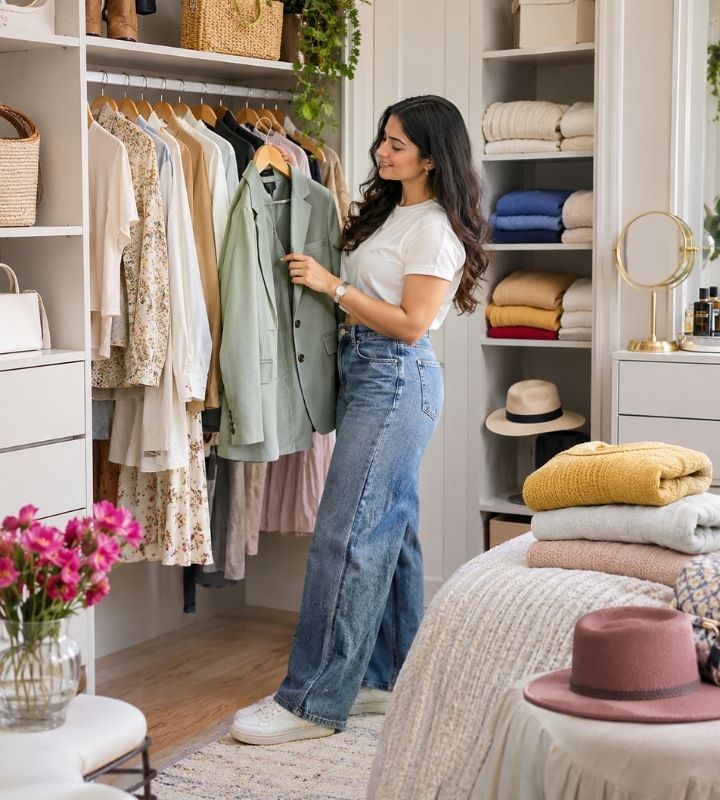
Look at what you already own. Pull out every piece and sort it into three piles: wear often, wear rarely, and never wear.
This simple step shows you exactly where your money should go.
Pay attention to patterns. You may discover five black tops but no good jacket, or plenty of casual shoes but nothing for a dinner out.
Gaps like these are where smart spending begins.
Take photos of outfits that work well for you. A quick visual record helps you shop with confidence, and it stops you from buying a duplicate of something already hanging in your closet.
A budget gives your shopping a purpose. Decide how much you can comfortably spend each month or each season, then treat that number as firm.
Many shoppers find that a small, steady amount works better than occasional splurges.
Divide your budget into two parts. Put roughly seventy percent toward lasting basics and thirty percent toward trendy extras.
This balance keeps your wardrobe stable while still leaving room for fun.
Remember that a budget is not a punishment. It is a tool that helps you say yes to the pieces you truly love, rather than wasting money on impulse buys.
“Foundation pieces are the essentials that make every outfit work,” says Edikted, a Los Angeles-based ecommerce fashion brand.
Think well fitted jeans, a crisp white shirt, a neutral blazer, and comfortable shoes. These items rarely go out of style, so they deserve a larger share of your budget.
When you shop for basics, check the fabric and stitching. Thick seams, even hems, and sturdy materials usually signal clothing that will last for years rather than months.
Choose colors that mix easily, such as black, navy, cream, and gray. A neutral base lets every trendy piece you add look intentional, and it multiplies the outfits you can create.
You do not need an entire outfit to follow a trend. A bold scarf, a statement belt, or a trending bag can update a simple look for a fraction of the price.
Accessories are the smartest entry point because they change an outfit without replacing it.
If a trend fades, you have lost very little, and your core wardrobe stays untouched.
Try the one trend rule. Add only one eye catching piece to each outfit, and let the rest stay simple.
This keeps your style polished and prevents you from looking like you are wearing a costume.
Thrift stores, consignment shops, and resale apps are treasure chests for trend seekers.
Many styles that return to fashion, like oversized blazers and vintage denim, are already waiting there at much lower prices.
Go in with a short list and some patience. Check each item for stains, loose buttons, and worn fabric, and try it on whenever possible.
A little effort here can turn up designer quality at bargain prices.
For weddings or formal parties, consider renting.
A guest who wears a stunning gown once does not need to own it forever, and renting lets you enjoy luxury without the long term cost.
Retail follows a calendar, and learning it saves money. End of season sales, holiday events, and mid year clearances often cut prices dramatically.
Buying winter coats in early spring, for example, can lower costs by half.
Sign up for email alerts from your favorite stores and add items to your cart without checking out.
Many retailers send discount codes when a cart sits untouched for a few days.
Wait at least a day before buying any trendy item. If you still want it tomorrow, it is likely a good choice. If the excitement fades, you just kept money in your pocket.
Even the best clothing loses its charm when it is poorly maintained. Wash garments according to their labels, air dry delicate fabrics, and store knitwear folded so it keeps its shape.
Small repairs make a big difference. Sewing a loose button or fixing a hem costs almost nothing, yet it can add years to a favorite piece.
A local tailor can also adjust fit, making affordable clothes look custom made.
Rotate your shoes, too. Giving each pair a day to rest helps them hold their shape and last longer, which protects the money you spent on them.
Building a trend led wardrobe is less about spending more and more about choosing better.
Start with what you own, set a firm budget, and anchor your closet with versatile basics.
Then have fun with trends through accessories, secondhand finds, and well timed sales.
Care for your clothes so they last, and wait before every impulse buy. Your style will feel fresh, personal, and affordable all year long.
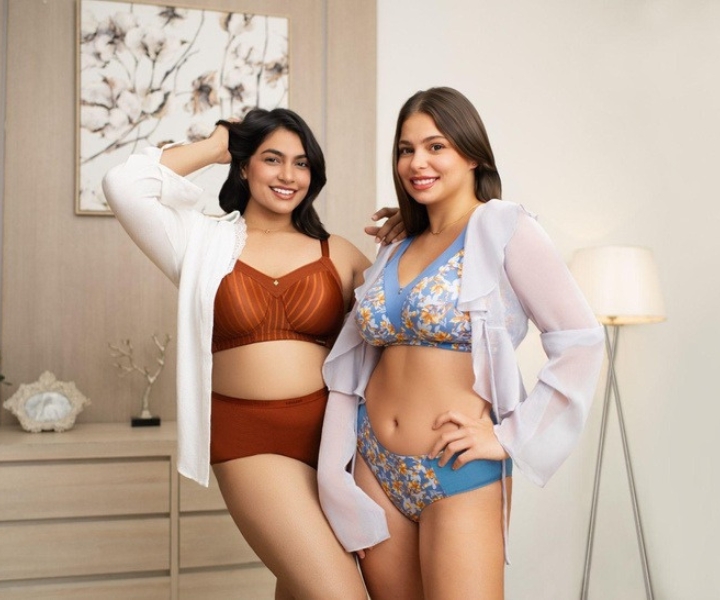
Want your clothes to drape effortlessly without gaps or bulges? Know how a minimizer bra acts like a quiet hero—giving you a refined silhouette and all-day confidence.

Do you want to give your hair a salon quality blow dry right from the favorite spot at your home? Then, prep your locks and let’s dive in.
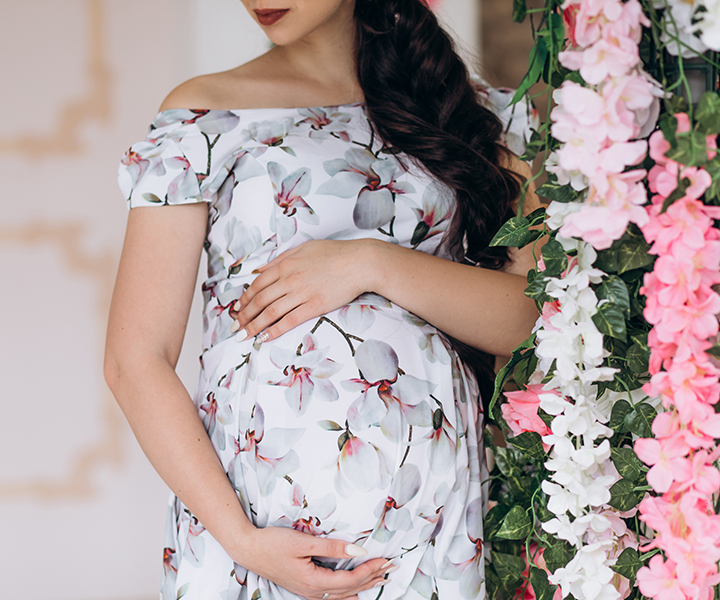
Are you an would-be mama? Are you looking for a stylish yet comfortable maternity gowns? If the answers are 'yes', then we have got your back. This is a must-read article for you.

Strolling on a beach during the evening is always magical. Know 12 interesting tips on how to tackle the dropping temperatures of the beach side with comfort and style.
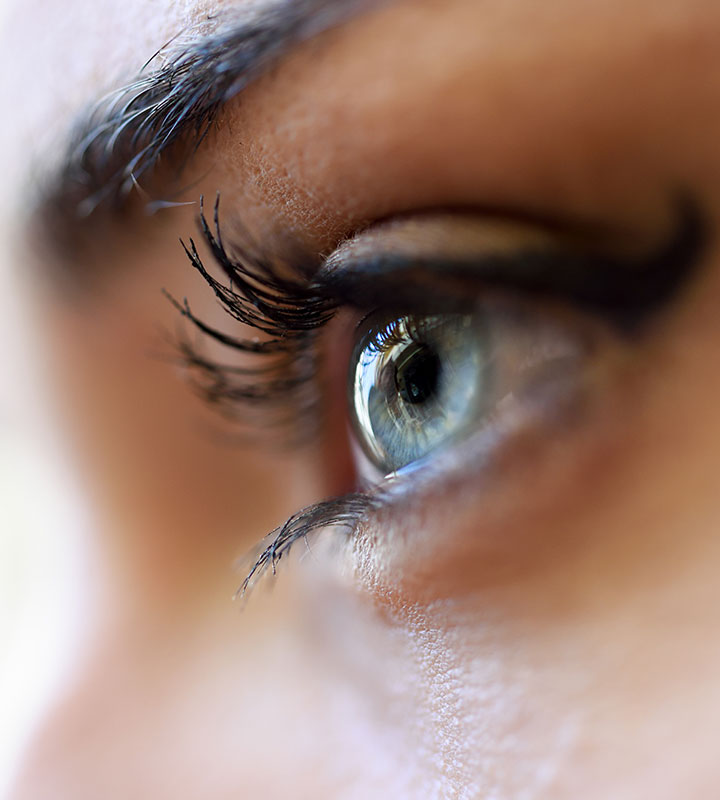
Since LASIK Eye Surgery is a delicate medical procedure, a detailed study is required beforehand. Check out this brief to stay fully informed everything about the before, during, and after the surgery.

This guide explains how to match shoes to heel, midfoot, or forefoot striking, plus key factors like terrain, cushioning, and fit to keep you running comfortably and injury-free.
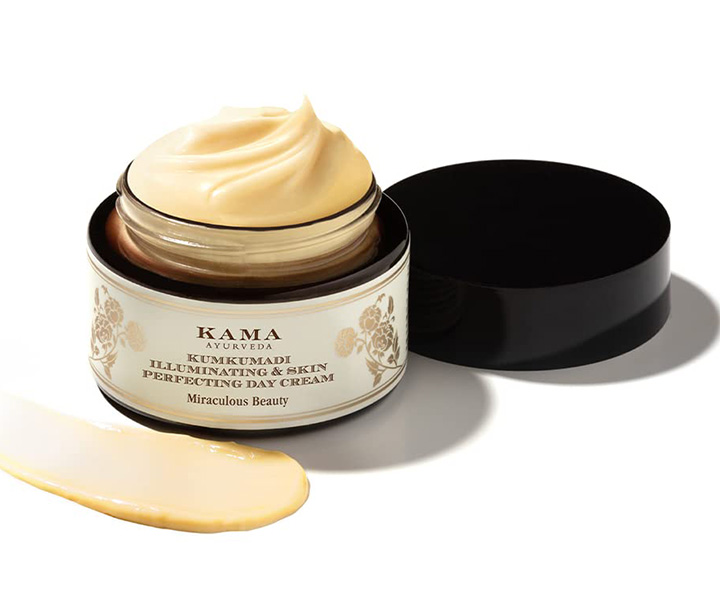
Recently, Kama Ayurveda has launched a Day cream rich in the iconic Kumkumadi Thailam. Know all about this new launch.
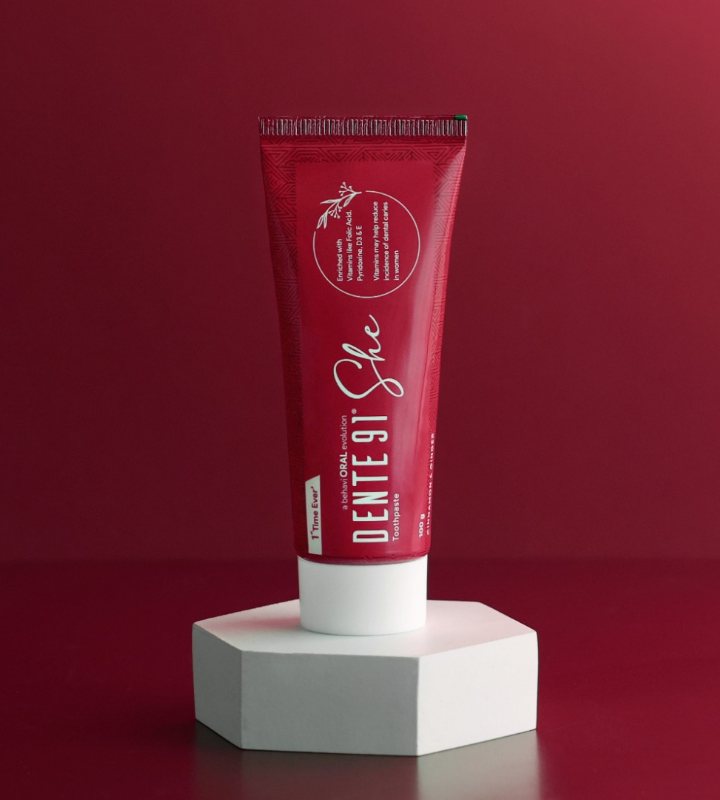
When it comes to choosing oral care products, there are many products. Know the ingredients that make this toothpaste special for every woman out there.
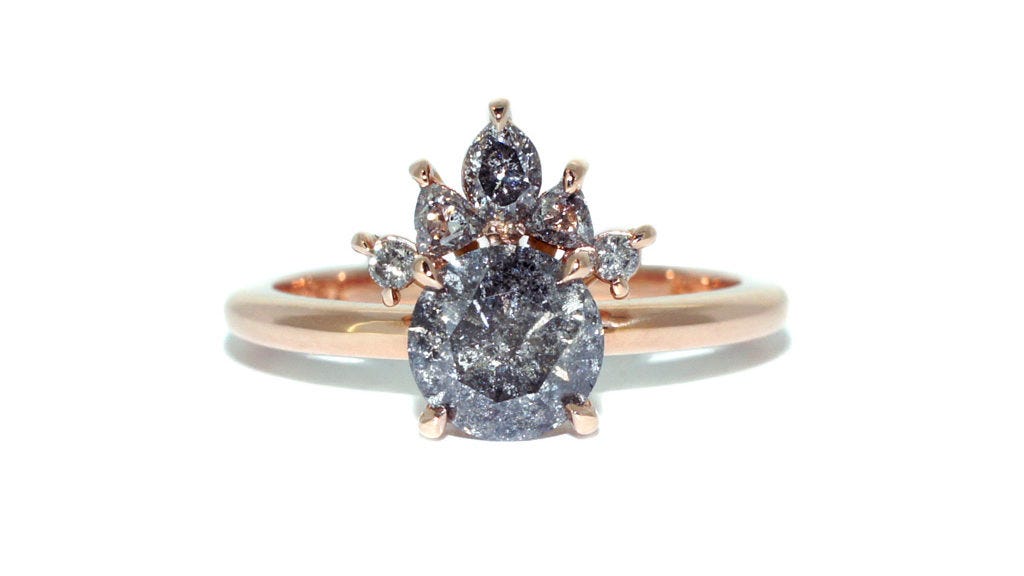
A salt and pepper diamond is rare and looks beautiful on engagement rings. Know how to clean and maintain the shine of salt and pepper diamonds.

Know about all the types of bra that you need as per your outfit and body shape. Also, know the right size and the right type of bra.

Explore the trendiest hime cut hairstyle, its history, maintenance, and many other tips about one of the most popular hairstyles ever.
Many cosmetics are considered haram when it comes to public use. Let's know whether press-on nails are haram in Islam or not.