The men’s skincare routine: what you need to know
Men's skincare is just as important as women's skincare and it's crucial to have a routine that addresses the specific needs of male skin. Check out this article for details.
Discover how hormonal changes affect skin and hair. Learn about hair loss, dry skin, PCOS symptoms, unwanted facial hair and when to see a doctor.
By SOMA
Posted on | Last Updated
You may be finding more hair in the shower drain, or your parting may look wider in photos.
Perhaps your skin feels tight even with the same moisturiser, and a few dark hairs have appeared on your chin.
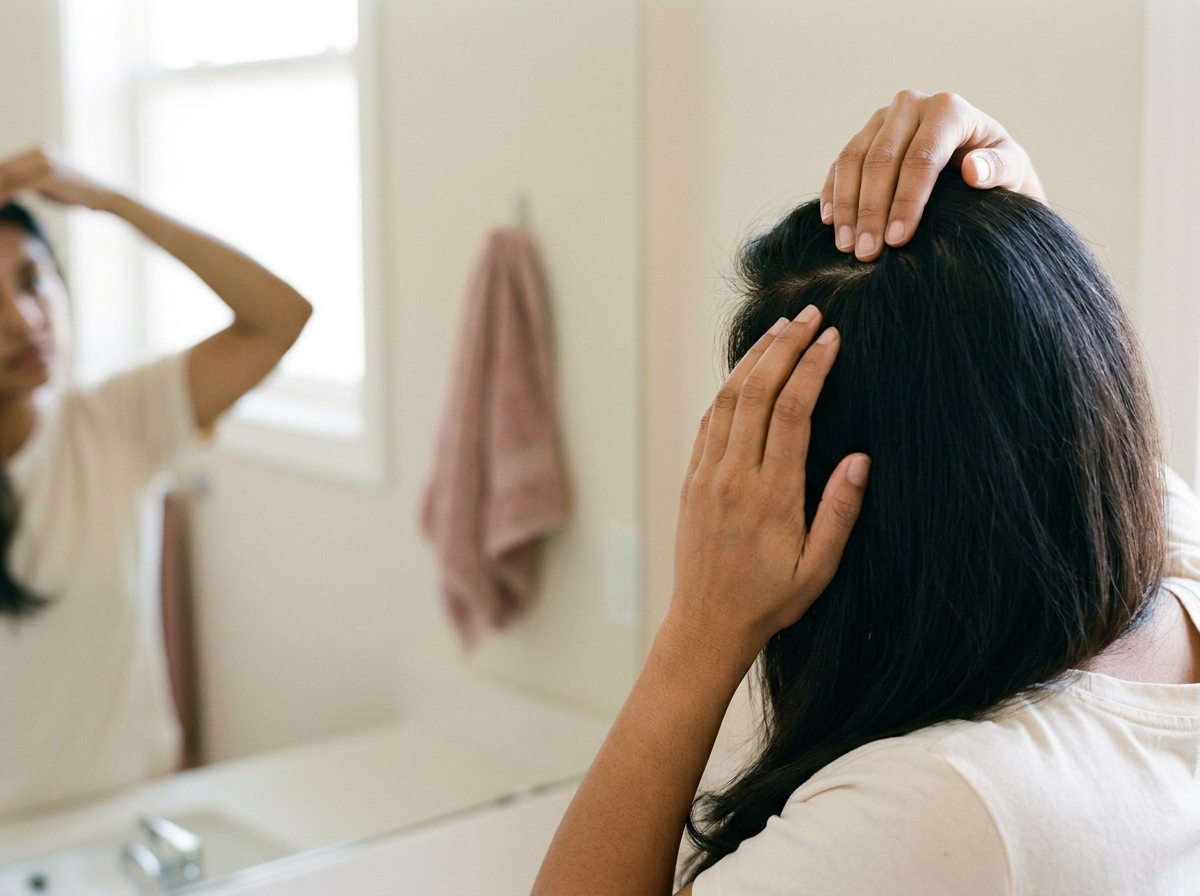
Most women’s first response is a new shampoo, a richer cream or a stronger serum.
That is often enough, because weather, stress and harsh cleansers affect skin and hair every day.
Even so, a change that is new, keeps getting worse or comes with tiredness or irregular periods can have a medical cause, such as a thyroid problem, low iron or polycystic ovary syndrome (PCOS).
A cream cannot correct a hormone or iron problem. Instead, a women health doctor can check for one with an examination and a few blood tests.
In this article, we will look at how hormones affect your skin, what causes thinning hair, which hormone problems dry the skin, what causes unwanted facial hair, when to see a doctor and which blood tests may help.
Hormones affect your skin and hair by influencing how long hair grows, how much oil your skin makes and how well your skin holds water.
Oestrogen, the main female sex hormone, helps keep skin thick and moist and keeps scalp hair growing for longer.
By contrast, androgens are male-type hormones such as testosterone, which women also make in smaller amounts.
And when androgen levels rise, they can thin the hair on your scalp and make hair on your face and body thicker and darker.
Thyroid hormone, made by the thyroid gland in your neck, controls how fast your body uses energy, and your skin and hair follicles need it to renew themselves.
Each scalp hair grows for several years and then rests for about three months before it falls out. So losing 50 to 100 scalp hairs a day is normal.
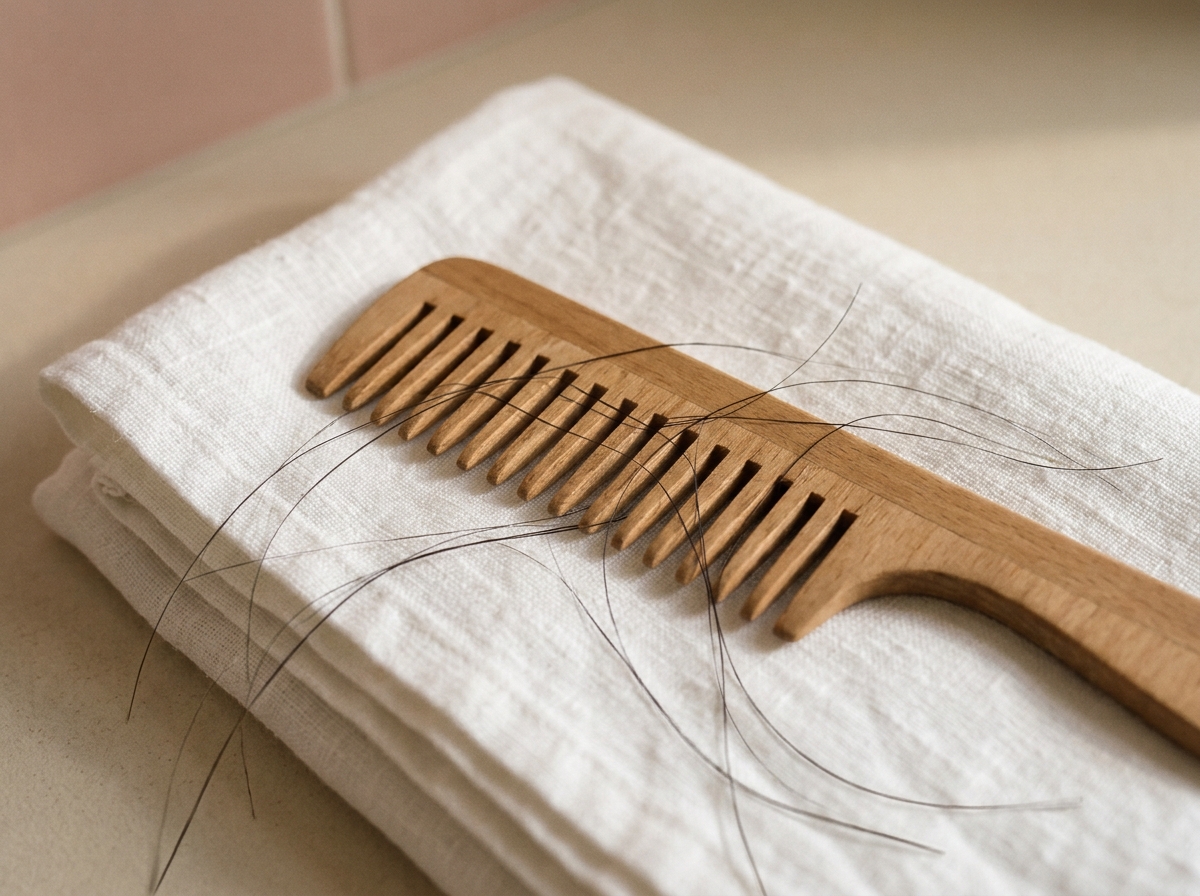
Hair thinning in women has five common causes, and most of them can be treated or improve with time. Here is how each one shows:
1. Sudden shedding – Heavy shedding across the scalp two to three months after illness, childbirth, surgery, severe stress or rapid weight loss, when many hairs enter the resting phase at once.
This is known medically as telogen effluvium. It usually stops within six to nine months.
2. Inherited thinning – Female pattern hair loss, a gradual thinning over the top of the head with a widening parting, linked to your genes and to androgens. It becomes more common after menopause.
3. Low iron – Heavy periods or a diet low in iron can use up your iron stores. Tiredness is the main symptom, while hair loss is a less common one.
4. Thyroid problems – An underactive thyroid (hypothyroidism) or an overactive thyroid (hyperthyroidism) can thin the hair evenly across the scalp.
5. Hormone conditions – PCOS, a common hormone condition that often stops the ovaries releasing an egg regularly, can raise androgen levels and thin the hair on top of the head.
More than one cause can be present at once, such as low iron alongside shedding after childbirth, so a new shampoo alone often makes little difference.
The hormone problems that most often make skin dry are an underactive thyroid and the fall in oestrogen around menopause.
An underactive thyroid slows many of the body’s processes, so skin can become dry, rough and pale, and nails may turn brittle.
It usually comes with tiredness, feeling cold, weight gain or low mood as well. Because these changes develop slowly, many women put them down to a busy life.
Perimenopause, the years of changing hormones before your periods stop, often begins in your forties.
As oestrogen falls, your skin makes less collagen (the protein that keeps it firm) and holds less water, so it can feel drier and thinner.
Here, a richer moisturiser and a gentle cleanser are a sensible first step.
Still, dry skin on its own is more often caused by weather, hot showers or harsh cleansers than by hormones.
Unwanted facial hair in women is most often caused by PCOS, although some women inherit more facial hair and a few medicines can cause it too.
Thick, dark hair growing in a male pattern, on the upper lip, chin, chest or back, is known medically as hirsutism.
PCOS affects an estimated 10 to 13% of women of reproductive age, and many of them do not know they have it.
Besides extra hair, it can cause irregular periods, thinning scalp hair, oily skin or acne, and weight gain. Some women also develop acanthosis nigricans (dark, velvety patches in skin folds such as the neck or armpits).
These patches are often a sign of insulin resistance, where the body needs more insulin than usual to control blood sugar.
After menopause, a few coarse chin hairs are common, because oestrogen falls while androgen levels change less.
By contrast, hair that appears over weeks or a few months, especially with a deeper voice, should be checked by a doctor promptly.
In rare cases, the cause is a tumour in the ovary or adrenal glands (small glands above the kidneys) that makes androgens.

Hair or skin changes should generally be checked by a doctor when they are new, last longer than a few months or come with other symptoms.
For mild dryness or a few weeks of extra shedding, a change of routine is still a reasonable first step. These signs make a medical cause more likely:
Ongoing shedding – Heavy shedding that lasts more than six months, or a parting that looks clearly wider than a year ago.
Period changes – Irregular, missed or very heavy periods alongside changes in your skin or hair.
Whole-body symptoms – Tiredness, feeling cold, weight changes or low mood that come with dry skin or thinning hair.
Fast hair growth – New dark hair on your face or body that appears over a few months.
Dark skin patches – Velvety, darker skin on the neck, armpits or groin.
Blood tests for hair loss in women usually check your thyroid, your iron stores and, when PCOS is possible, your androgen levels.
A doctor will also look at your scalp and ask about recent illness, diet and medicines. Finding low iron or a thyroid problem is worthwhile, because both are usually treatable.
Thyroid function tests measure thyroid-stimulating hormone (TSH) and often free thyroxine (T4), the main hormone the thyroid makes.
Iron tests usually include a full blood count, which finds anaemia (too few healthy red blood cells), and ferritin, the protein that stores iron.
Because your iron stores can run low before anaemia develops, a normal full blood count on its own does not always rule out low iron.
And when periods are irregular or new facial hair is growing, testosterone and other hormones linked to PCOS may be added.
If you take a hair, skin or nail supplement, mention it to the doctor. Biotin, a B vitamin found in many of these supplements, can interfere with some laboratory tests, including thyroid tests.
Most hair and skin changes linked to hormones have a cause that can be found, and many can be treated.
Shedding after a shock to the body usually stops within months. Low iron and an underactive thyroid are usually treatable once a blood test finds them.
A doctor’s visit gives you a clear starting point, because a few blood tests can show whether your thyroid, iron or hormones play a part.
With the cause known, your skincare and haircare routine can do the job you bought it for, and you can look forward to skin and hair that feel like your own again.
Men's skincare is just as important as women's skincare and it's crucial to have a routine that addresses the specific needs of male skin. Check out this article for details.
Every year one or a few skin treatments go viral and set a trend. Well! This year Laser Skin Resurfacing has occupied that position. What is it? What are the benefits? How the treatment is done? What are the pre-care and post-care? Know everything here.

Discover the top benefits of daily walking for seniors, from improved mobility and stronger bones to better balance, heart health, and lasting independence.

As summer arrives, nothing feels as light and beautiful as a cotton saree. From party to office, let’s explore how you can up your fashion game with cotton sarees.

In this fast pacing world, online dentistry is quite a popular method for treating all oral health issues remotely. But whether the method is reliable or not, know here.

In this article, we will explore the use of anti-pigmentation serums, exploring their benefits, ingredients, application, and overall effectiveness in achieving brighter, even-toned skin.
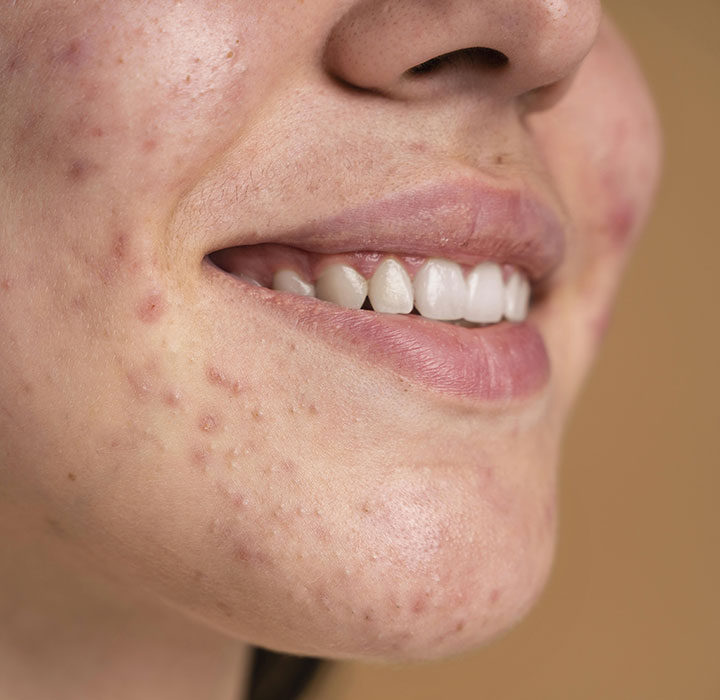
Check out a few medical issues that trouble both teenagers and adults. Also, know-how as an adult one can deal with these.

Do you want to stay active and healthy while travelling abroad countries? Find out how you can maintain your fitness level without compromising your vacation.
There is reason why Pink clay is loved by skincare enthusiasts. Explore different types, remarkable benefits, and side effects of using pink clay in skincare that are not known by many.
After crossing 50, it becomes difficult to grow hair. Well! If you are a quinquagenarian, here is a guideline on how you can do that.
Discover why Juhu is one of Mumbai’s best areas for dental care. Learn about modern clinics, expert dentists, treatments, costs, and patient FAQs.

Who said that it is impossible to stay happy and calm? Well! Allow me to decode some simple life mantras that would definitely help you to stay happy, calm, and composed throughout a day.