Amara organix handmade day moisturiser review
Hola my beautiful friends. Today I am gonna review Amara […]
Explore how beauty and wellness now work together—combining self-care, body confidence, and mindful routines for a more balanced, modern approach.
By Keith Myers
Posted on | Last Updated
Beauty today looks very different from how it did even a decade ago.
What was once focused mainly on makeup trends, skincare steps, and outward appearance has evolved into something much more layered and personal.
Modern beauty is no longer just about what you apply to your face—it’s about how you feel in your body, how you care for your health, and how confident you feel showing up as yourself.
This shift has given rise to a powerful intersection between beauty and wellness.
Self-care routines now include everything from nourishing the skin to managing stress, prioritizing movement, and building confidence from the inside out.
Rather than chasing perfection, many people are focusing on feeling balanced, supported, and comfortable in their own skin.
The idea that beauty starts and ends with appearance is steadily fading.
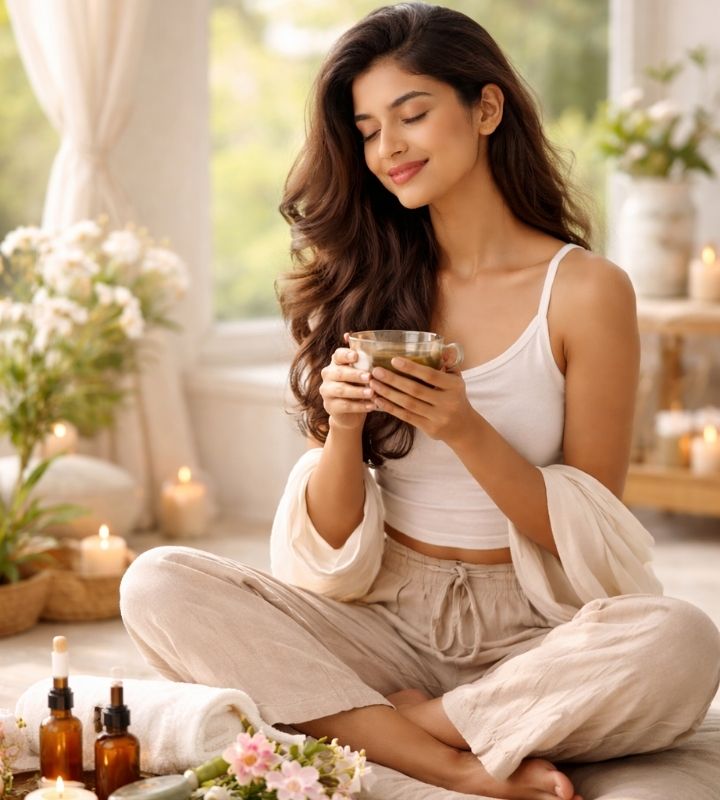
Today, beauty is a whole-body experience—one that includes physical health, emotional well-being, and mental clarity.
When people feel better internally, it often reflects outwardly in posture, expression, energy, and confidence.
This mindset encourages more compassionate self-care. Instead of harsh routines or extreme standards, people are choosing habits that support their bodies over time.
That may mean simplifying skincare, choosing foods that provide steady energy, or allowing space for rest and recovery.
Beauty becomes less about transformation and more about alignment with how someone wants to feel.
While skincare and cosmetics still play an essential role, they are now part of a much broader daily rhythm.
Morning routines might include hydration, stretching, or quiet reflection alongside cleansing and moisturizing.
Evening routines may focus on calming the nervous system as much as removing makeup. These small, consistent choices help build a sense of control and intention.
Over time, they reinforce the idea that beauty isn’t something you perform—it’s something you cultivate through everyday care.
When routines support both body and mind, they become sustainable rather than exhausting.
As conversations around beauty become more honest, body confidence has taken center stage.
Confidence isn’t about fitting into a narrow ideal; it’s about feeling at ease in your own body.
For many people, this involves addressing areas that feel out of alignment with how they see themselves.
Some choose to focus on strength and movement, while others explore aesthetic options that support their confidence goals.
This can include non-invasive treatments or, in some cases, arm lift procedures for individuals who feel self-conscious about changes in their arms due to aging, weight fluctuations, or genetics.
When approached thoughtfully, these decisions are often less about appearance alone and more about comfort and self-assurance.
Internal wellness plays an equally important role in how people experience beauty.
Energy levels, mood, sleep quality, and metabolic health all influence how someone feels in their body day to day.
When you neglect these areas, it’s common to feel disconnected or frustrated, even if external routines are in place.
That’s why many people now approach wellness as part of their beauty journey.
This may include gentle lifestyle changes, professional guidance, or simply learning more about what supports their body best.
For some, this can look like using weight management medication as part of a broader wellness plan.
This includes medically guided approaches such as supervised treatment plans, metabolic support, and personalized health assessments that focus on overall well-being rather than quick fixes.
Beauty and wellness are deeply emotional experiences. Feeling confident can influence how someone speaks, moves, and connects with others.
Conversely, feeling uncomfortable in your body can affect self-esteem and social interactions in subtle but powerful ways. Modern self-care recognizes this emotional component.
Rather than dismissing insecurities, it encourages people to understand them.
Whether someone chooses skincare, lifestyle adjustments, or aesthetic procedures, the goal is often emotional relief as much as physical change.
Feeling aligned with your reflection can bring a sense of calm and ease that radiates into other areas of life.
One of the most empowering aspects of today’s beauty landscape is the rejection of rigid standards.
There is growing acceptance that bodies change over time, and that beauty looks different at every stage of life.
This has opened the door for more personalized self-care routines.
Personalization allows individuals to choose what matters most to them.
Some prioritize glowing skin, others focus on feeling strong, while some seek solutions that help them feel more comfortable in specific areas.
There is no single “right” approach—only what feels supportive and sustainable for the individual.
With more options available than ever, education has become a key part of modern beauty and wellness.
Understanding how the body works, what different procedures involve, and how wellness choices affect long-term health helps people make informed decisions.
This knowledge reduces fear and replaces it with clarity. When people understand their options, they are more likely to choose paths that align with their values rather than reacting to trends or pressure.
Education empowers people to engage with beauty and wellness from a place of confidence rather than comparison.
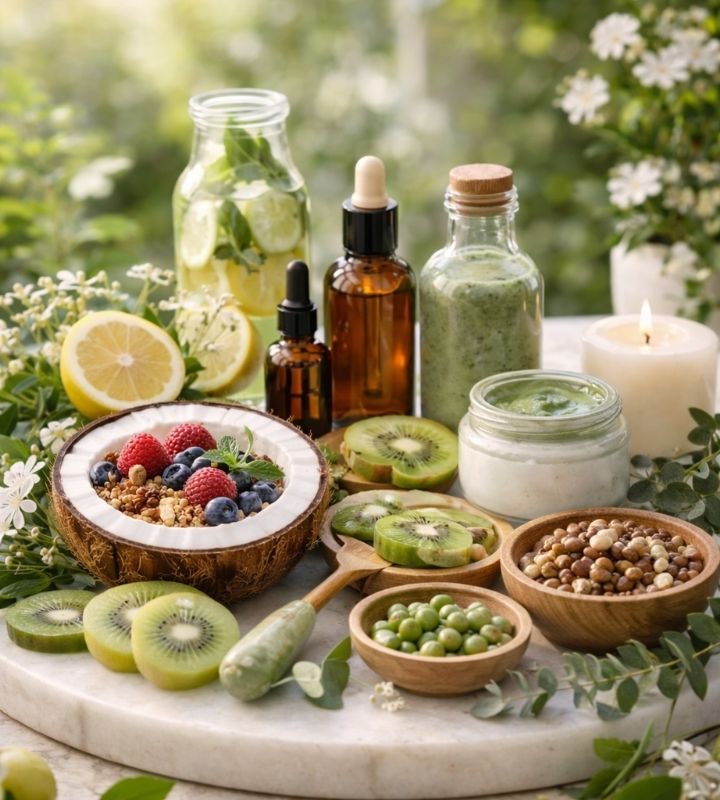
Sustainability is at the heart of today’s self-care philosophy. Instead of quick fixes, people are choosing routines that can evolve with them.
This might mean adjusting skincare as skin changes, modifying wellness goals over time, or revisiting confidence priorities at different life stages.
A sustainable routine is flexible. It allows room for rest, change, and self-compassion.
When beauty and wellness work together, routines feel less like obligations and more like support systems.
As beauty continues to evolve, its connection to wellness will only deepen.
The future of self-care lies in integration—where skincare, body confidence, emotional well-being, and health choices are a part of the same conversation.
This holistic approach invites people to slow down, listen to their bodies, and choose what truly supports them.
When beauty and wellness meet, self-care becomes more meaningful, more personal, and far more empowering than any trend-driven routine ever could.
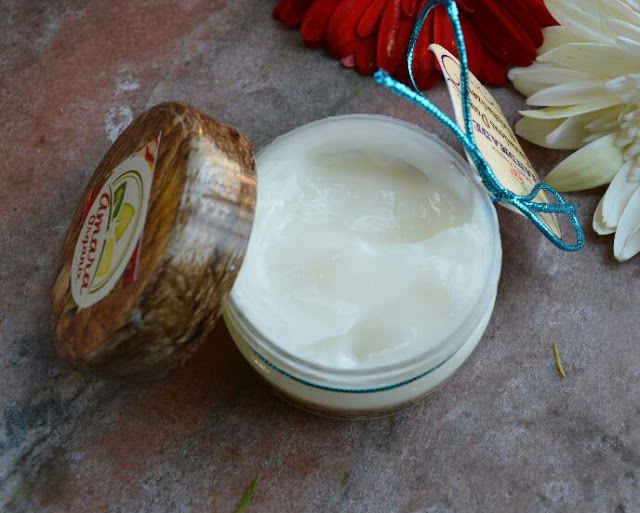
Hola my beautiful friends. Today I am gonna review Amara […]
Synthetic peptides can be easily bought online but here are some important things to consider. Let’s find out what they are!
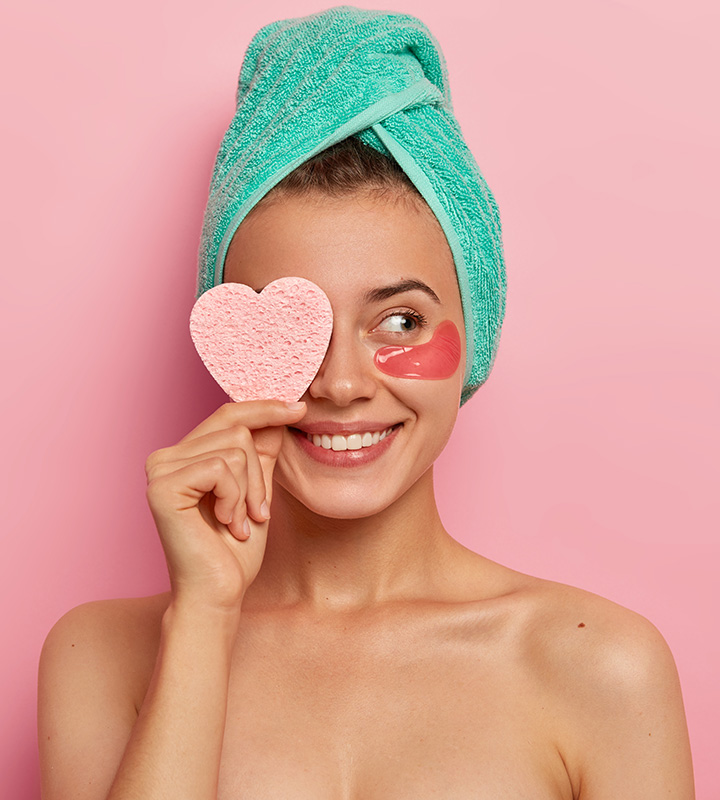
It is not quite easy to find out a natural yet effective skin care routine that can be easily followed at home. Well! Here goes a list of 7 natural solutions that you must check out.
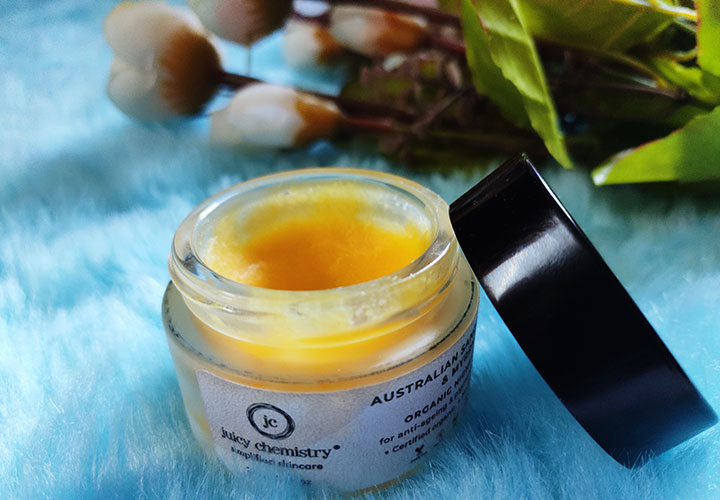
Check out my experience with this brand new Juicy Chemistry Australian Sandalwood and Myrrh Organic Night Cream. Is it the best night creams?
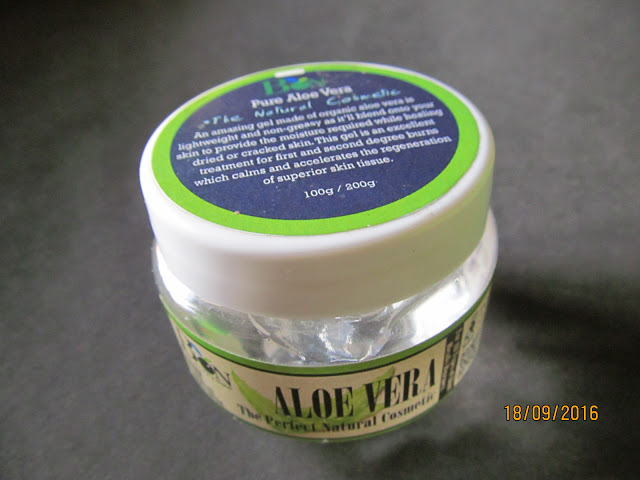
Hiii my fabulous friends. I hope you are living a […]
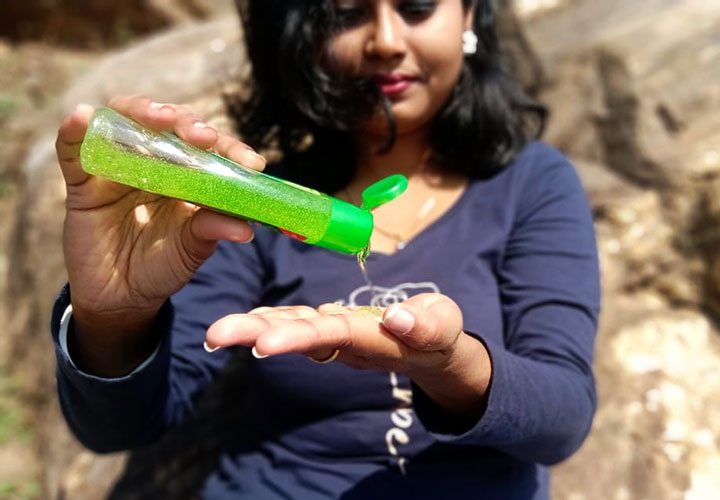
Is Fiama Lemongrass and Jojoba Shower Gel is one of the best in Fiama Shower Gel range? Check out my take with an in-depth ingredient analysis.
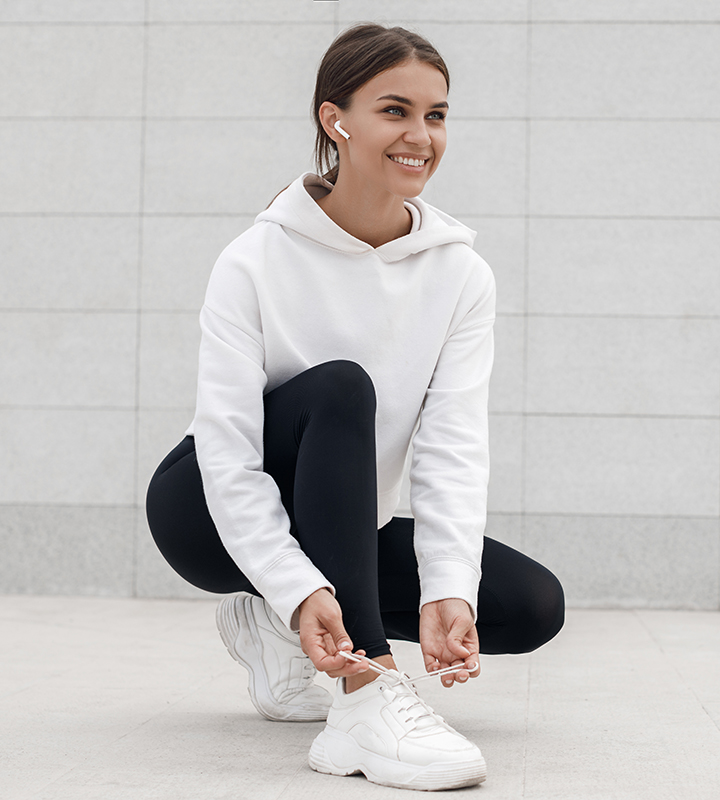
Fashionable athleisure outfits are the new trend setters in the market. In this article, know how to choose the best athleisure brands. Also check out the outfits these brands offer.
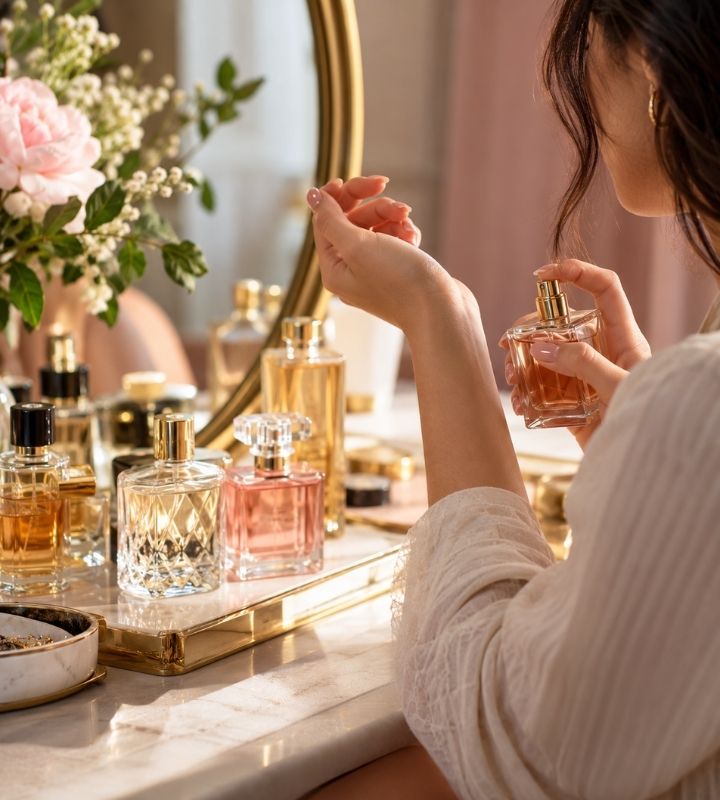
Learn how to choose the perfect fragrance by exploring scent families, perfume concentrations, skin chemistry, and tips for testing and selecting your ideal scent.
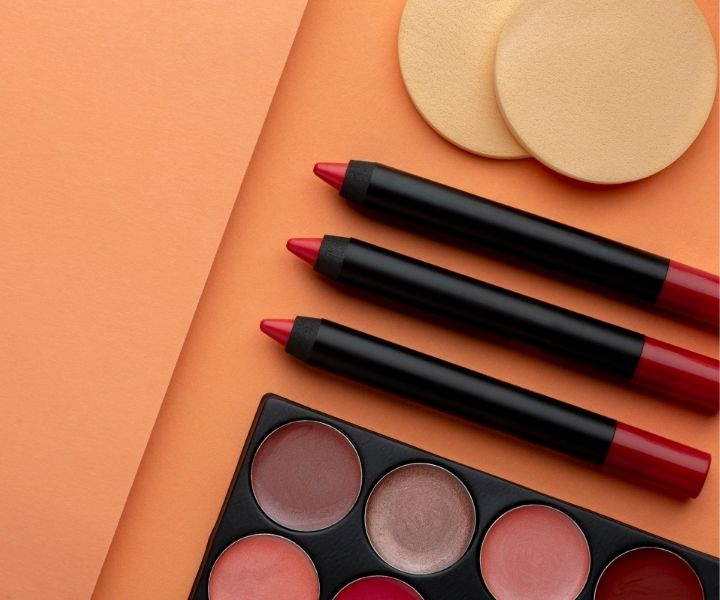
Learn how to choose reliable Chinese cosmetic manufacturers based on batch consistency, testing standards, and real production experience. A practical guide for makeup and private label brands.
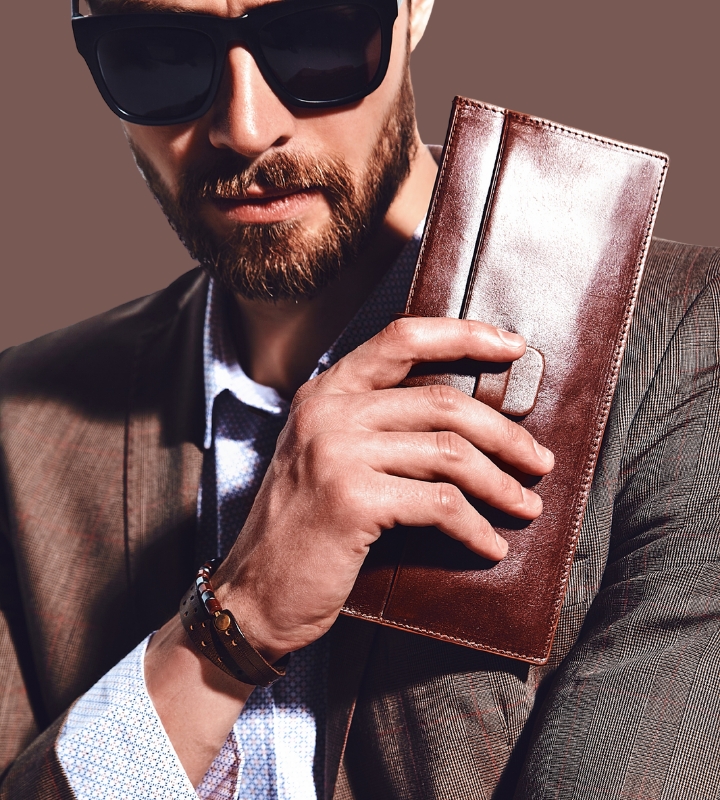
A quality leather wallet is more than a place to store cash and cards—it’s a mark of sophistication, professionalism, and timeless taste. Discover why every modern gentleman should invest in a finely crafted leather wallet.
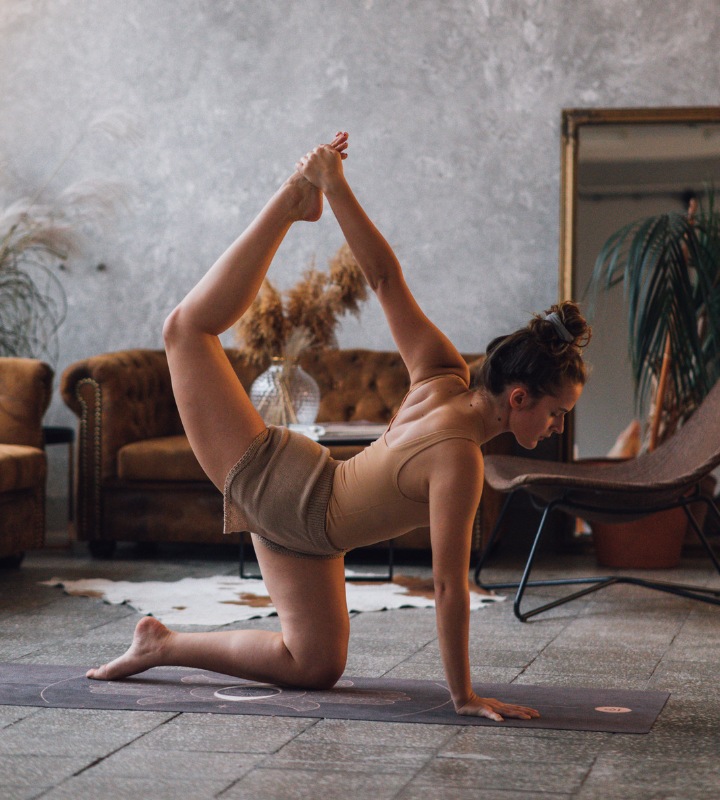
Belly fat reduction is not difficult anymore. Check out asanas that can practically help you to reduce belly fat and tone the skin.
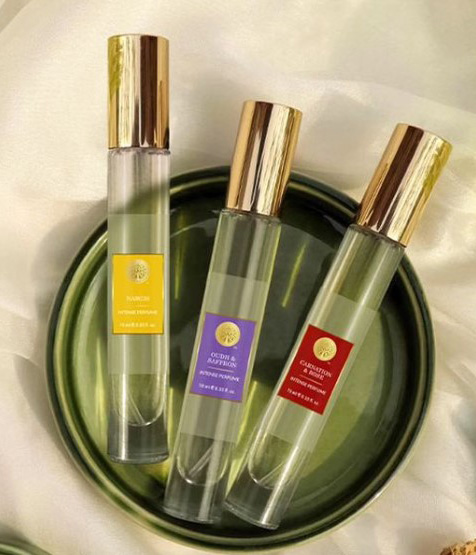
Recently, Forest Essentials has launched 3 intense perfumes and one intense cologne. Know everything about the new launches.