Say ‘yes’ or ‘no’ to oud, the new age perfumery oil
Oud is a new age perfumery substance. Know what exactly Oud or Oudh is, how it is used to make perfumes, what makes it special, and many such interesting things in the following section.
When you have a great salary, life throws confetti on you. Pay off your EMIs with a smile, host a lavish vacation this year, and save up for your child’s education and your retirement.
But have you ever wondered what happens to your lifestyle if your monthly income comes to a standstill?
Your term insurance, precisely a term life cover, can help here. A term insurance cover is a simple life insurance plan that lets you pay a certain amount of premium every year, after which your nominee can claim a hefty sum as soon as you’re declared dead.
Most professionals with high income jump at the prospect of a 1.5 crore term insurance cover.
But does a 1.5 crore term insurance cover suffice for two decades or three? Let’s break down this calculation in simple terms so that you can make the right choice for your family.

To know whether 1.5 crore term insurance cover is enough, you must evaluate your lifestyle and expenditure pattern.
Let’s assume you’re a high-income family that resides in a metropolitan city.
You have a home loan EMI, education loans, monthly expenditures, a car loan, etc. to repay. You also need money to finance an extravagant vacation every year.
If your household’s monthly budget is about 1.5 lakh, that makes your yearly budget 18 lakhs.
Now let’s do some simple calculations. Let’s say your family has a corpus of 1.5 crores. After repaying your outstanding loan of 60 lakhs, you’ll be left with 90 lakhs.
If your family’s budget eats up 18 lakhs every year from this sum, it will barely suffice for 5 years.
Even if you decide to keep your 1.5 crores in a fixed deposit, the interest that this sum will throw your way will fail to meet your annual budget.
You must acknowledge the fact that ₹1.5 crore might be a big number today, but it could become an inadequate number in a decade.
That’s the work of inflation. Inflation increases the price of goods and services by a certain percentage every year.
It reduces the purchasing power of money. For instance, 10 years ago, your child’s annual tuition fee could have been 1.5 lakhs.
But today it costs nearly 3 lakhs (assuming that the rate of inflation has been 7% over the last decade). But the good news is that you can beat inflation with a cleverly worded insurance cover.
Instead of using a round number, like 1.5 crore, you could use the DIME rule to calculate the exact term cover that you need.
A 25 year-old professional with an annual income of 20 lakhs has the following financial commitments:
In this case, a 1.5 crore term insurance cover would leave a gap of more than 2.4 crores, which might force his family to make lifestyle sacrifices.
A 1.5 crore life cover is a pretty decent option for people who fall into any of the following categories:
On the other hand, people with a large outstanding home loan, young children, and elderly parents, on the other hand, should consider getting a life cover with a higher sum assured.
Since you’re considering a term insurance plan, you should know that a term insurance plan offers a slew of tax benefits. Here are a few tax breaks that you can enjoy if you buy a term insurance product:
Tax laws are subject to change, and your tax regime depends on your annual income and the tax slab that you fall into. So, consult a tax specialist before finalizing your tax decisions.
If you’ve realized that a 1.5 crore term insurance policy doesn’t fit your needs, here are a few ways to create the perfect term cover:

Remember the following essential pointers before purchasing a term insurance product:
Every rupee that you make helps you live a life of luxury today. However, your term insurance plan will protect your family’s future tomorrow.
A 1.5 crore term insurance cover may appear to be sufficient at first glance, but high-net-worth individuals must realize that they need more than 1.5 crores to fulfill their financial obligations and long-term aspirations.
So double-check your numbers and make the right decision about your life cover today.

Oud is a new age perfumery substance. Know what exactly Oud or Oudh is, how it is used to make perfumes, what makes it special, and many such interesting things in the following section.

Cosmetic dentistry in the UK is evolving—making smile transformations more accessible than ever. From monthly payment plans to tech-driven treatments, here’s how patients can now achieve confident smiles without financial strain.
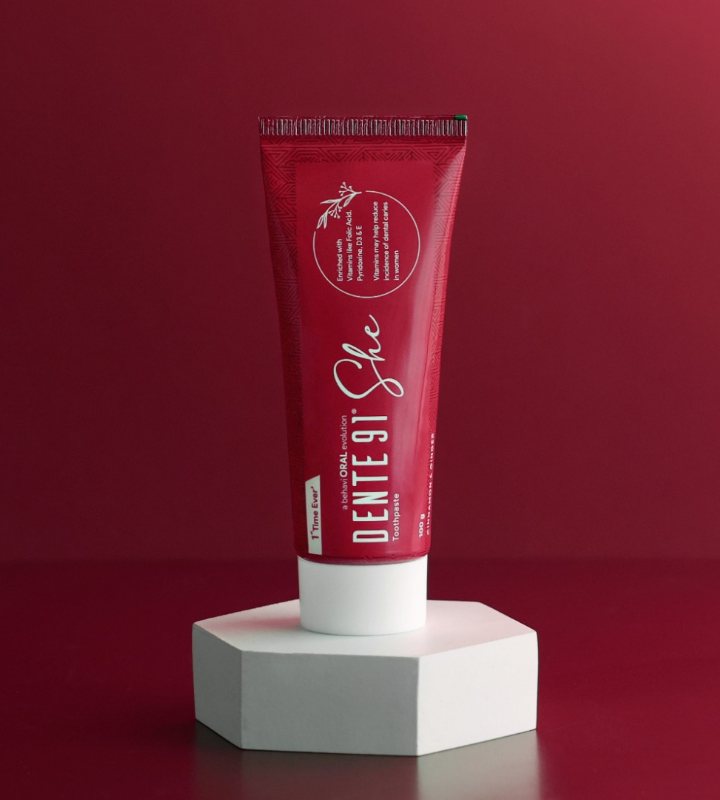
When it comes to choosing oral care products, there are many products. Know the ingredients that make this toothpaste special for every woman out there.

Whether you are an athlete, an older adult, or just want to improve your foot health, this guide will definitely help you to choose the right medical footwear.

Are you looking for a quick hair transplant clinic in India? Check out this one-stop guide.

This guide explains how to match shoes to heel, midfoot, or forefoot striking, plus key factors like terrain, cushioning, and fit to keep you running comfortably and injury-free.

Know an interesting backstory of how footwear was invented. This walk-through will show you how your favourite designer shoes in Dubai became what they are today through shoe evolution.

GetMoreGirth offers a safe, nonsurgical penile girth enhancement. Learn how this discreet treatment helps men boost confidence with natural-looking results and zero downtime.
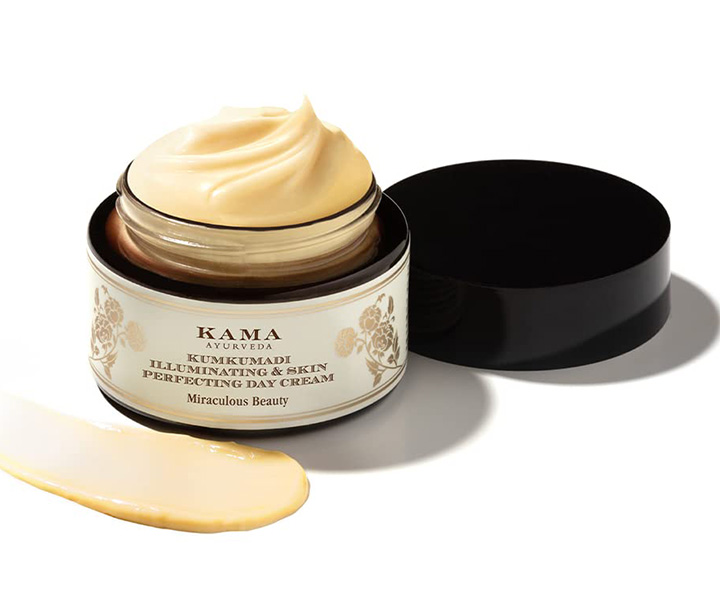
Recently, Kama Ayurveda has launched a Day cream rich in the iconic Kumkumadi Thailam. Know all about this new launch.

Let us explore the link between alcohol abuse and dry skin conditions, the underlying mechanisms, and what can be done to manage & reverse the damage.

Your music timeline tells your unique listening story—albums, artists, and memories. Discover how to protect it during streaming service switches.

In this article, alongside exploring the potential of CBD oil, we would also talk about its side effects. Let's delve into the science behind CBD world.