How interesting/unique is earth rhythm hibiscus rose cleansing buff?
It's been more than a week now that I am using this cleanser. Is it just another powder cleanser or has an amazing formulation in real? Let's check out.
Discover 6 signs of hard water affecting your hair and skin, from mineral buildup and dullness to dryness and tightness. Learn what to check.
By Keith Myers
Posted on | Last Updated
You wash your hair. Condition it carefully. Moisturize after every shower, and somehow everything still feels a little off.
Hair that once felt soft now feels rough by the time it dries. Shampoo doesn’t lather as easily. Skin feels tight soon after cleansing.
Even though the products have not changed. At that point, it is tempting to replace half the bathroom shelf.
Before doing that, look at the water.
Hard water contains high amounts of dissolved minerals, mainly calcium and magnesium.
Those minerals can interact with soaps and leave deposits on bathroom surfaces, hair, and skin.
Hard water can make soaps perform differently and contribute to mineral scale around the home.
The useful question is not simply, “Do I have hard water?” It is whether several small clues are appearing together.

One dry patch or one bad hair day proves very little. Hard water becomes a more convincing explanation when changes in your routine appear alongside visible clues around the bathroom.
With hard water, dissolved minerals can accumulate on the hair shaft. Small experimental studies have found greater mineral deposition on hair washed in hard water, although research on the exact degree of structural damage is not completely uniform.
In everyday terms, the first sign may simply be texture. Hair can feel heavier, less smooth, or strangely coated even when shampoo has been rinsed thoroughly.
Before blaming the shampoo, compare how the same products behave elsewhere. If your hair feels noticeably different after washing it in softer water while travelling, that contrast can be useful.
Hard water changes the way traditional soap interacts with water. Calcium and magnesium can contribute to soap scum, and more cleansing product may sometimes seem necessary to achieve the same result.
That does not mean using twice as much shampoo is the answer.
Adding more product can make the routine increasingly difficult to judge because residue from styling products, conditioner, and minerals may all be involved.
Instead, notice whether lathering and rinsing have changed without a corresponding change in your shampoo.
It is the pattern that matters.
Hair does not need to be severely damaged to become harder to manage.
A mineral coating can change how the strands feel against one another. Hair that previously detangled easily may start catching at the ends, looking less glossy or feeling rough when dry.
Color-treated, bleached, curly, and already-dry hair may make these changes easier to notice because the strands are already more dependent on careful conditioning.
A clarifying or chelating shampoo may help remove accumulated residue when used appropriately, but stronger cleansing is not automatically better.
If hair already feels dry, aggressive cleansing at every wash can create a second problem while trying to solve the first.
That squeaky-clean feeling is not always a sign that cleansing worked especially well.
Hard water can affect how cleansing products behave and what remains on the skin after washing.
Research has also examined the relationship between hard water, surfactant deposition, and skin-barrier irritation, particularly in people prone to atopic dermatitis.
For an everyday beauty routine, the practical clue is timing.
If skin feels comfortable before showering but tight, rough, or itchy soon afterward, pay attention to the water temperature, cleanser and water hardness rather than immediately adding several new skincare products.
Very hot showers can make dryness harder to interpret, so switching to lukewarm water is a useful first test.
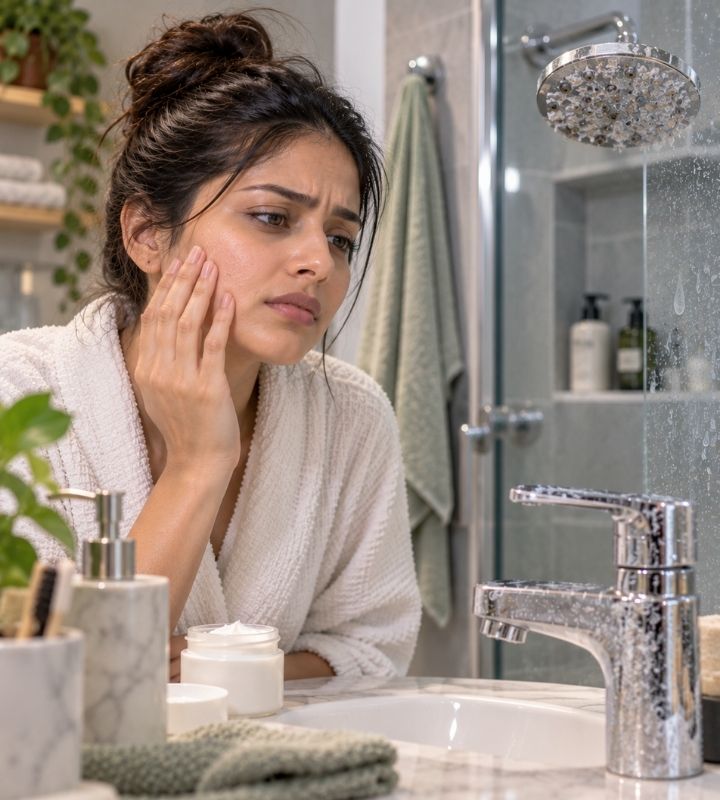
Sometimes the product has not failed. The conditions around it have changed.
If skin is being repeatedly cleansed in water that leaves it feeling tight, adding more moisturizer afterward may only address part of the problem.
Try simplifying the routine for a short period.
Use a gentle cleanser where needed, avoid unnecessarily long hot showers, and apply moisturizer while the skin is still slightly damp.
This is also a good moment to resist the urge to introduce multiple acids, scrubs or new treatments at once.
When several variables change together, it becomes almost impossible to identify what was actually causing the dryness.
This may be the most useful clue of all because it has nothing to do with guessing how your hair “should” feel.
Look at the showerhead, taps, glass, and tiles.
White scale, cloudy spots, or recurring mineral deposits can support the suspicion that the water is hard.
It can form scale and leave films or spots on household surfaces.
If the bathroom shows clear mineral buildup at the same time that hair and skin have become harder to manage, investigating the water makes more sense than replacing an entire beauty routine.
The most useful response to suspected hard water is a small investigation, not a shopping spree.
If possible, check information from the local water supplier or test the water hardness.
Water hardness is commonly expressed in milligrams per litre as calcium carbonate, and local levels can vary substantially.
This step matters because dry skin, rough hair, and scalp discomfort have many possible causes.
Hard water should be treated as one explanation to investigate, not an automatic diagnosis.

Hard water is often blamed for problems ranging from dry hair to irritated skin, but not every claim deserves the same weight.
Similar symptoms can come from heat styling, harsh cleansers, over-exfoliation, product buildup, weather changes, or an existing skin or scalp concern.
That is why it helps to look beyond how polished an article sounds.
Beauty content may be edited extensively or produced through workflows that include tools for humanizing AI, but smoother language does not make a health or skincare claim more reliable.
What matters is whether the advice explains its reasoning, avoids absolute promises, and points readers toward credible information when discussing skin, hair, or water quality.
For this particular issue, practical evidence is more useful than dramatic claims.
Check the hardness of the local water, look for mineral scale around taps and shower surfaces, and observe whether hair and skin behave differently when washing conditions change.
Those clues tell you far more than an article that simply labels hard water as the cause of every beauty problem.
For hair, occasional residue-removing cleansing may be more useful than repeatedly applying heavier conditioners over buildup.
For skin, focus first on gentler washing. Keep showers comfortably warm rather than very hot, avoid over-cleansing dry areas, and moisturize soon afterward.
Change one or two things at a time. That gives you a clearer picture of whether the routine is actually improving.
A shower filter and a true water softener are not automatically the same thing.
Water softening specifically addresses hardness minerals such as calcium and magnesium.
Some shower filters are designed mainly around other water-quality concerns and may not significantly reduce hardness.
So if mineral hardness is the confirmed problem, check what a treatment system actually removes rather than assuming any filtered showerhead will solve it.
When hair and skin suddenly become harder to manage, the natural reaction is to question the products.
Sometimes the better question is whether the environment around those products has changed.
Use a simple three-part check: look for changes in hair, changes in skin, and physical evidence of mineral buildup around the bathroom.
If all three point in the same direction, investigate the water before rebuilding the routine.
That approach costs less, creates fewer variables, and gives you a much better chance of solving the actual problem rather than covering it with another product.
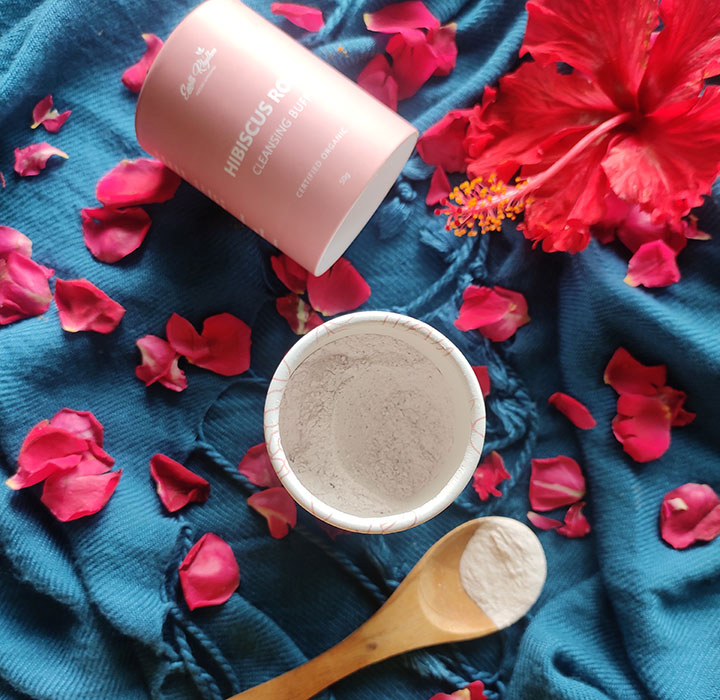
It's been more than a week now that I am using this cleanser. Is it just another powder cleanser or has an amazing formulation in real? Let's check out.
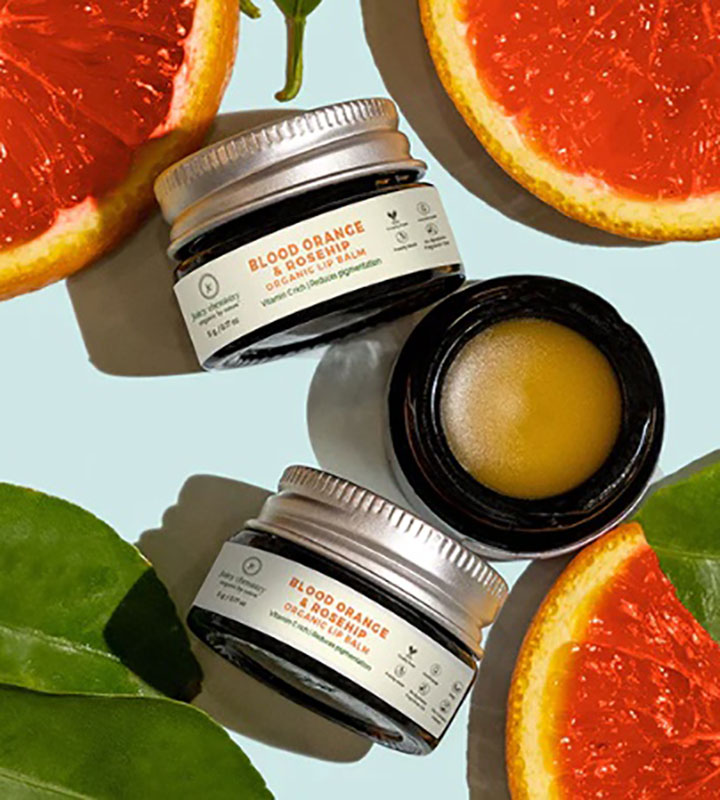
Do your lips look dry and chapped always? Do pigmented lips give you hard time? Well! Worry no more. Check out how any one or two of these amazing formulations of Juicy Chemistry Lip Balm can help you.

Winter takes a harsh toll on the skin. Thus, you need a simple skincare routine and also a bunch of skincare tips that can protect your skin from the cold wave. Read on to know more.

Kybella injections are safe for the body, but various factors can influence how your body reacts to the treatment. If you are interested in addressing your double chin issue, know the safety issues of Kybella treatment.
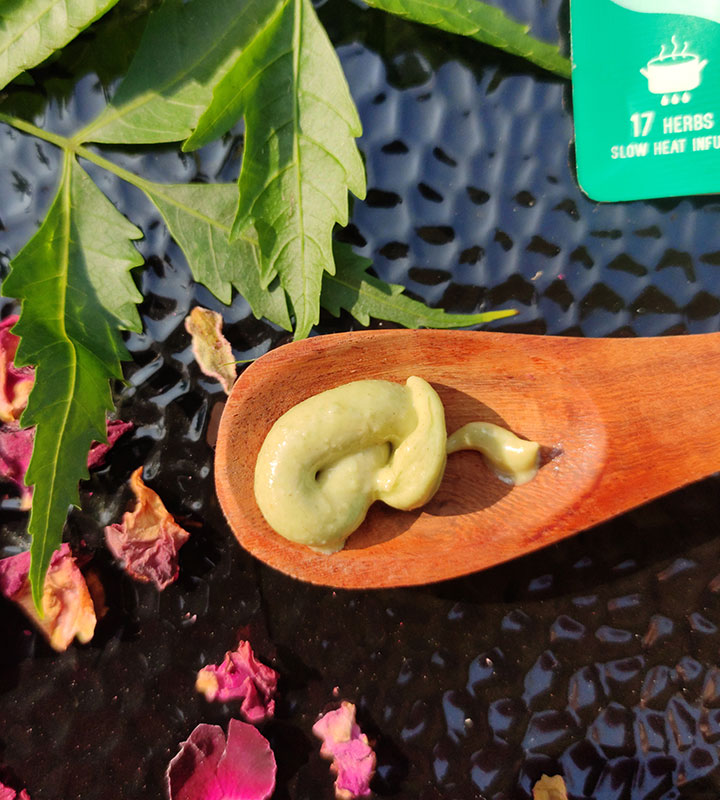
It's been long since I have used a brand with chemical free products until now. Check out how and why I have fallen in love with Nat Habit products.
Dry skin has its own share of problems. Often it gets triggered by the wrong product, but often other factors trigger this too. It's time to knock the doors of reality.
Check out a quick and easy DIY hair oil recipe where the star ingredient is Coconut Oil. Here is a toast to healthy hair growth!
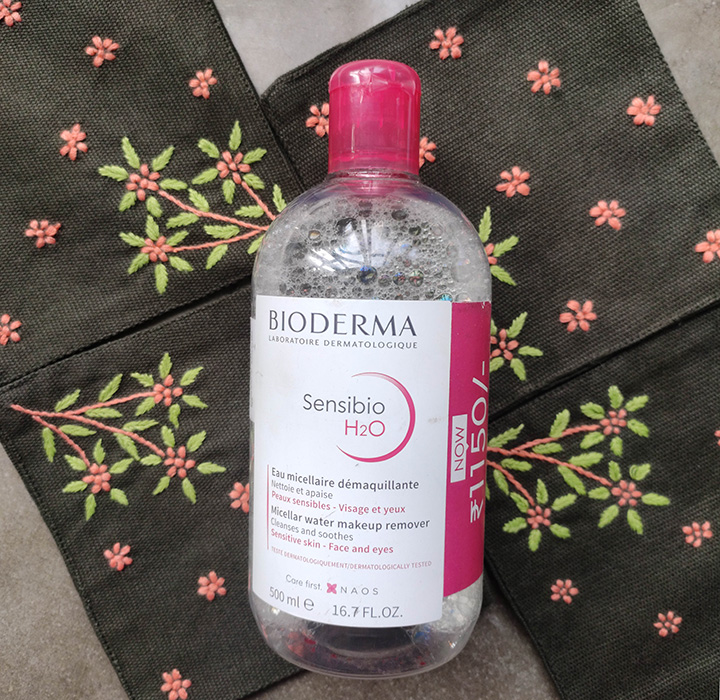
I have been using Bioderma Sensible H2O Micellar Water Makeup Remover every day since the past few weeks. How is the experience so far!? What are the ingredients? How does the skin react in contact with this makeup remover? Well! To explore all the answers, keep on reading.
Is the formulation worth the price tag? Are the ingredients make it the best mild shampoo out there? Does it control dandruff for real? Well! Let's find out all the answers here.
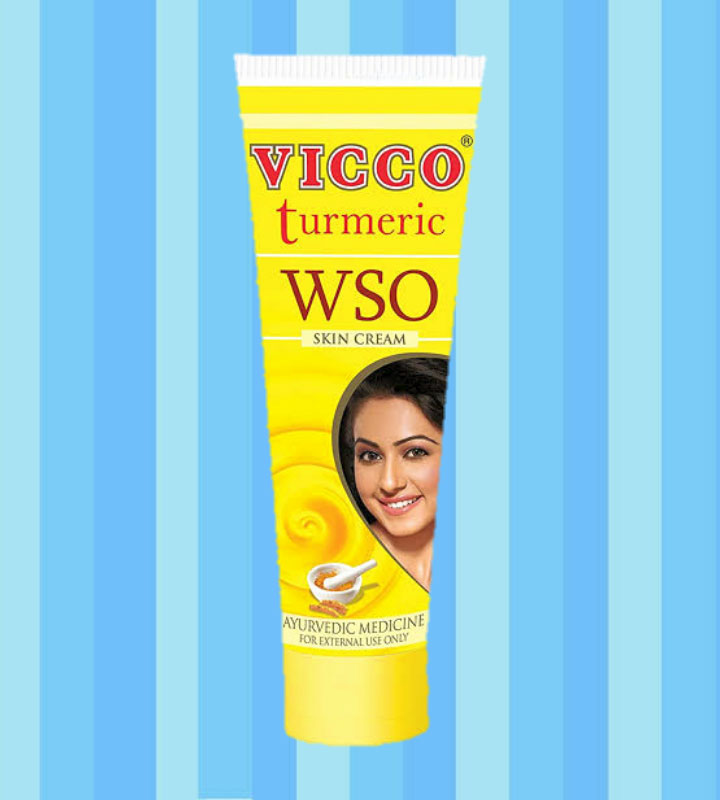
So, how effective the ingredients are? What is the difference between an ayurvedic cream and a cosmetic cream? It's time to take a look at the ingredients of Vicco Turmeric WSO Skin Cream.
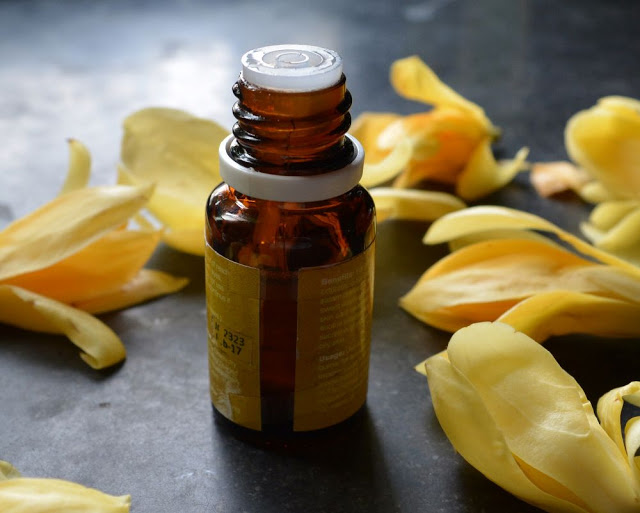
Hello sweethearts! Today I am gonna review Juicy Chemistry Ylang Ylang […]
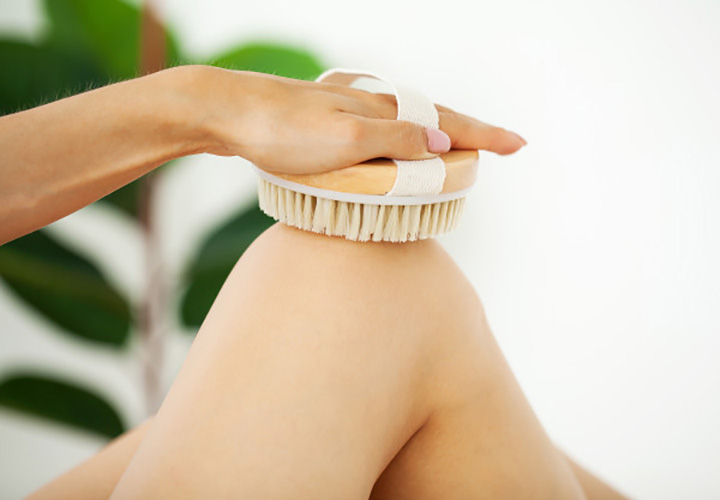
How rejuvenating body polishing is when done at home? What are the tools and products required? Find out all the answers here.