6 reasons why i am in awe with this local perfume brand
I tried Himmel Fragranza, a local Indian perfume brand, and tested it in real life. Here’s how it performed beyond hype, packaging, and price tags.
Discover simple and creative ways to reduce workplace stress, boost productivity, and improve focus. Learn practical tips to stay calm, organized, and motivated at work every day.
By Palak Gupta
Posted on | Last Updated
Workplace stress can drain your energy and lower your focus during the day. You can take simple steps to feel calm, stay productive, and enjoy your work more.
This article shares easy and creative ways to reduce stress at work, improve your mood, and build a healthier and happier work routine starting today with ease.

A calm workspace lowers stress by making your surroundings simple and easy to handle. You should only keep daily essentials on your desk so you avoid clutter and confusion.
Good lighting supports better mood and keeps your eyes comfortable during long hours.
Small plants bring a natural, peaceful feeling that helps you relax while working. You can reduce noise by choosing a quiet area or using soft background sound.
Organizing digital files also saves time and prevents frustration when you need important documents quickly during busy work moments.
Short breaks help your mind recover from continuous work pressure and improve focus. Taking a break every hour or after tasks keeps your energy stable.
Simple activities like stretching, walking, drinking water, or even a sauna for office workplace setting can refresh your body and mind quickly.
These pauses increase productivity because your brain works better after rest. Stepping away from screens reduces eye strain and mental tiredness.
Breaks also lower stress by giving you space to breathe and relax, so you return to work with a clearer mind and stronger concentration.
Planning your day reduces stress by giving clear direction to your work. Prioritizing important tasks first helps you avoid missing deadlines or rushing later.
Breaking big tasks into smaller steps makes work feel easier and more manageable.
Setting deadlines for each step keeps you focused and organized. Procrastination increases stress because it creates pressure at the last moment.
When you manage time properly, you finish work smoothly, stay confident, and avoid unnecessary stress, which helps you end the day with a sense of control and achievement.
Deep breathing reduces stress by slowing your heart rate and calming your body quickly.
You can practice mindfulness whenever pressure builds or your thoughts feel scattered. Slow breathing brings instant relaxation and helps you feel more balanced.
Mindfulness improves focus by keeping your attention on the present task instead of distractions. It also supports emotional control by helping you respond calmly in stressful situations.
These habits improve work performance because you think clearly, stay composed, and handle tasks with a steady and relaxed mindset.
Music reduces workplace stress by creating a calm and steady environment. Instrumental music or nature sounds work best because they do not distract your thoughts.
Keeping the volume low helps you stay focused on your tasks while still feeling relaxed.
Background sounds are useful during repetitive work or noisy environments. They block distractions and help your mind stay steady.
Music improves productivity by creating a smooth rhythm for work, which supports concentration and keeps your mood balanced throughout the day.
Strong workplace relationships reduce stress and improve focus. Coworkers build trust when they stay honest, help each other, and keep promises.
Clear communication reduces confusion and stops stress from growing.
Teamwork lowers pressure because people share workload and solve problems together. Managers support employees when they listen, give guidance, and show care during tough situations.
Appreciation also matters because simple praise boosts confidence and motivation. Conflicts get solved quickly when people talk calmly, listen with respect, and find fair solutions.
All these habits create a positive environment where people feel safe and relaxed at work.
Routine tasks become more engaging when people add purpose and small challenges.
Workers increase motivation by breaking tasks into small steps and rewarding progress. Small goals reduce stress because they make big work feel manageable and clear.
Gamification also helps when people track points, set targets, or compete in a friendly way with themselves.
Good time management improves engagement because people finish work on time without pressure.
Variety matters because changing order or method keeps the mind fresh and prevents boredom.
These strategies turn repetitive work into a more active and satisfying experience each day.

I tried Himmel Fragranza, a local Indian perfume brand, and tested it in real life. Here’s how it performed beyond hype, packaging, and price tags.

Check out a few medical issues that trouble both teenagers and adults. Also, know-how as an adult one can deal with these.

Know the art of fragrance layering to develop a unique scent. This guide will help you to walk through the process of combining different fragrances in brief.
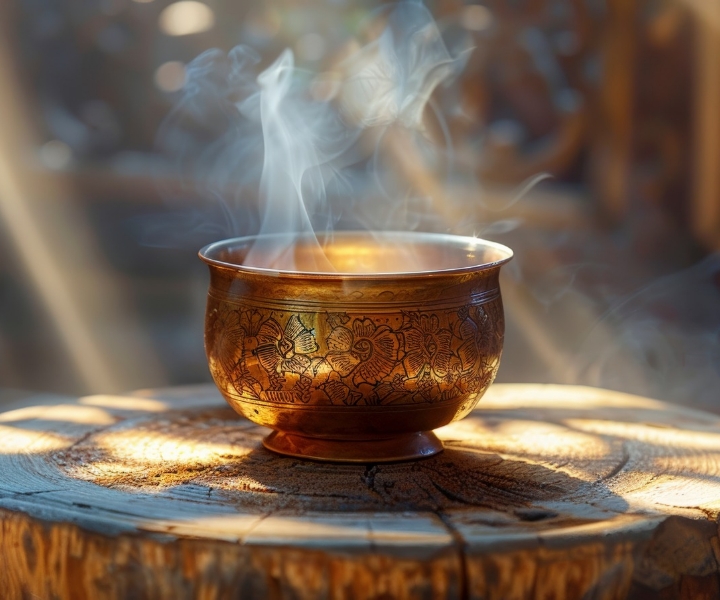
Explore the world of attar or oudh bakhoor - a fragrant blend of oudh and natural oils. Learn its origins, cultural significance, and utility in daily life.

These days, many women who want youthful skin are turning to Sculptra. Explore the benefits, process, cost, and safety of this surgery-free technique,

Learn what to consider before choosing health insurance family plans in India, including sum insured, waiting periods, hospital coverage, maternity benefits, and policy limits.

Do you want to stay active and healthy while travelling abroad countries? Find out how you can maintain your fitness level without compromising your vacation.

If you are a newbie in the cosmetics market, then you might find it hard to sell private label cosmetics on online shopping giants like Amazon. Check out how these tips can save you.

When it comes to skincare, both Vitamin C and Vitamin E face creams are quite popular. Know how to choose the best that suits your skin type and concerns.
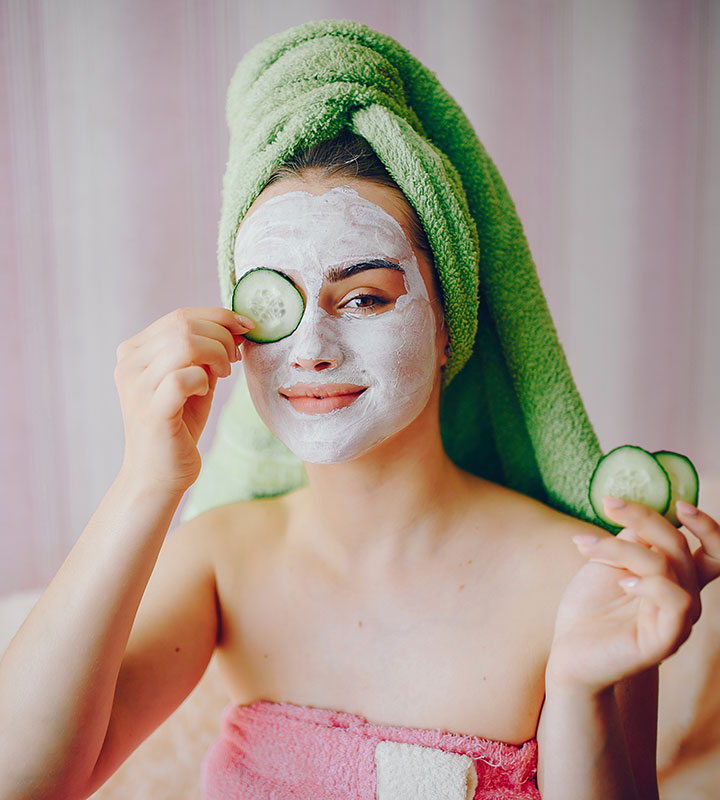
Skin care isn’t difficult if you know the best practice for your type of skin. Know why and how facials and the right tips can help you.

Digital ageing is a modern age skin problem. Check out, 4 tips that can help you to a great extent to deal with this new kind of problem.

GetMoreGirth offers a safe, nonsurgical penile girth enhancement. Learn how this discreet treatment helps men boost confidence with natural-looking results and zero downtime.