The many faces of canesten that you didn’t know of
Let's take a look at the different conditions in which you can use Canesten rich ointments for the treatment and how they can topically provide aid in treating those skin conditions.
Discover essential nutrients for joint health in runners, including omega-3s, vitamin C, calcium, and antioxidants to support healthy joints.
By Keith Myers
Posted on | Last Updated
For runners, maintaining joint health is as crucial as clocking in miles.
While most runners are well-acquainted with the benefits of stretching, there’s often less awareness regarding the role of diet and certain nutrients in joint care.
An effective strategy encompasses not just stretching but understanding the pivotal role of joint support supplements and other key nutrients.
Let’s explore the nutritional aspects that can enhance joint health and support a runner’s lifestyle.

Omega-3 fatty acids are prominent in discussions about heart health, but they are equally vital for joint health.
The anti-inflammatory properties of omega-3s can help reduce joint pain and stiffness, which is particularly beneficial for those pounding the pavements regularly.
Fish like salmon, mackerel, and sardines are rich sources, and for vegetarians or those who prefer plant-based options, flaxseeds and chia seeds are excellent alternatives.
Vitamin C is integral to the body’s ability to produce collagen, a key component of cartilage.
Collagen not only provides structure to joints but also aids in their repair and maintenance. Citrus fruits, berries, and leafy greens are abundant in Vitamin C and should be part of a runner’s diet.
Boosting vitamin C intake can help in keeping the cartilage healthy, thereby supporting joint function.
Glucosamine and chondroitin are compounds found naturally in cartilage. They are often combined in supplements to support joint health.
For runners, these nutrients are believed to aid in preventing the breakdown of cartilage and may even relieve pain.
While naturally obtained through diet, supplementing these nutrients can provide significant advantages, especially as one ages and the body’s natural production drops.
Most people associate calcium with bone health, but strong bones are vital for supporting the joints that endure the stress and pressure of vigorous exercise.
Vitamin D is crucial in aiding calcium absorption, ensuring that bones and joints remain strong.
Dairy products are rich in calcium, while vitamin D can be obtained through sunlight exposure and certain fortified foods.
Antioxidants play a crucial role in reducing oxidative stress in the body, which is a contributor to inflammation and joint pain.
Foods high in antioxidants, like berries, nuts, and green tea, can help in managing inflammation levels, which is particularly beneficial after long runs.
Consistent intake of antioxidants can thus act as a preventive measure against joint deterioration.
In conclusion, while stretching is indeed essential, embracing a holistic approach to joint care that includes nutritional elements is indispensable for runners aiming to maintain joint health and extend their running lifespan.
Understanding and incorporating these nutrients into daily life can significantly impact joint function, potentially reducing injury risk and enhancing overall performance.
It’s always advisable to consult with a healthcare professional before making significant changes to one’s diet or introducing new supplements to ensure they align with individual health needs and goals.

Let's take a look at the different conditions in which you can use Canesten rich ointments for the treatment and how they can topically provide aid in treating those skin conditions.

Even today, Maggi is a comfort food for many. But, is Maggi healthy? Let's explore 7 dangerous side effects that will tell you why you should not eat Maggi every now and then.

In a world that often feels like a whirlwind of stress and demands, know how ancient yoga and meditation practices rejuvenate our health and lifestyle.
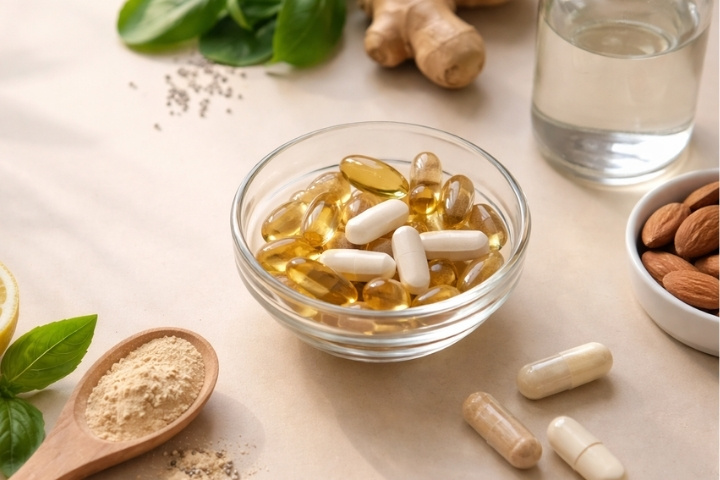
Do skin and hair multivitamins really work? A science-backed, Indian-context breakdown of benefits, limits, digestion, deficiencies, and long-term use—without brand hype.

After crossing 50, it becomes difficult to grow hair. Well! If you are a quinquagenarian, here is a guideline on how you can do that.

In this fast pacing world, online dentistry is quite a popular method for treating all oral health issues remotely. But whether the method is reliable or not, know here.

Mental health issues are increasingly common among college students. Hence, it is quite important to know the signs of mental health struggles. This article might work as an eye-opener to avoid the lurking danger among students.

Without assistance, beginners often find it difficult to learn Yoga. Know how experts can help you to determine your level so that you can master this art within no time.

These days, IVF has become quite popular among couples who go through infertility issues. Know the risks involved with this treatment.

Compare health insurance for senior citizens in India by checking co-payment, waiting periods, room-rent limits, coverage, and other key factors.

Infertility is no more a taboo subject. It is treatable now. In this article, know everything about infertility including causes and clinical treatment options.

Explore how emotional safety, communication, and relationship dynamics influence self-image, confidence, and emotional wellbeing through the mirror effect.