The top signs of dementia – what to look out for?
Dementia can be difficult to diagnose, as many of its symptoms are also seen in other conditions. This blog post will discuss the most common signs of dementia.
Explore how emotional safety, communication, and relationship dynamics influence self-image, confidence, and emotional wellbeing through the mirror effect.
By Keith Myers
Posted on | Last Updated
The way we see ourselves is influenced by far more than our own thoughts.
Our closest relationships often play a quiet but powerful role in shaping our self-image, confidence, and emotional wellbeing.
Romantic partners, in particular, often become emotional mirrors.
Through words, actions, and even silence, they reflect messages back to us about who we are and how we matter.
These reflections do not have to be intentional to be impactful.
Small interactions repeated over time can slowly influence how someone feels about their appearance, their worth, and their sense of identity.
Understanding this “mirror effect” can help explain why self-esteem often rises or falls alongside relationship health.
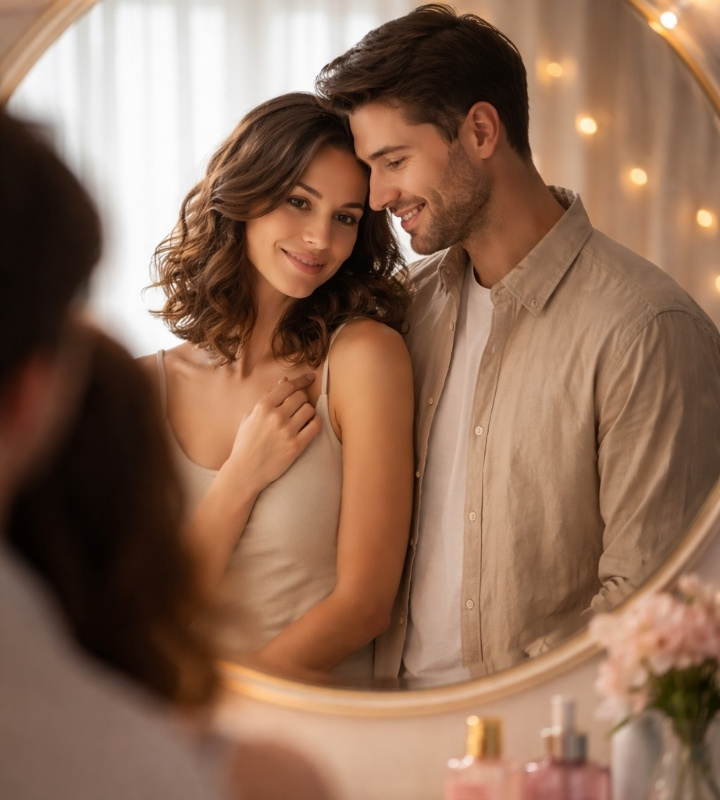
Every relationship communicates something. Compliments, affection, patience, and curiosity send one kind of message.
Dismissiveness, criticism, or emotional absence send another.
Over time, these signals are absorbed and internalized, often becoming part of how a person talks to themselves.
When someone feels valued in their relationship, they are more likely to feel comfortable in their own skin.
Emotional affirmation creates a sense of security that supports confidence and self-acceptance.
On the other hand, relationships filled with tension or unpredictability can make people hyper-aware of perceived flaws, both physical and emotional.
These patterns are rarely dramatic or obvious. More often, they show up in everyday moments.
A lack of eye contact during conversation. A joke that feels slightly cutting. A compliment that never comes.
While each moment may seem small, together they can shape a lasting internal narrative. Self-image does not exist separately from emotional experience.
When emotional needs are consistently unmet, the body and mind often respond with self-doubt, anxiety, or withdrawal.
In those moments, couples therapy can be helpful to help you and your partner understand how emotional disconnection is affecting your sense of self and overall wellbeing.
Emotional safety is one of the most important foundations of healthy self-image.
It means feeling free to express thoughts and emotions without fear of ridicule, punishment, or rejection.
When emotional safety exists, people tend to relax into who they are.
They are less focused on performing or proving themselves.
In emotionally safe relationships, imperfections are allowed.
Vulnerability is met with care instead of judgment.
This kind of environment helps people develop a more compassionate relationship with themselves.
They are more likely to see their reflection as a whole person rather than a list of shortcomings.
Without emotional safety, however, people often become guarded.
They may overthink their words, appearance, or behavior in an attempt to avoid conflict or criticism.
Over time, this can lead to a fractured sense of self.
The mirror begins to reflect anxiety rather than confidence.
This is especially relevant when conflict is unresolved or communication patterns become unhealthy.
Conflict itself is not harmful, but repeated invalidation or emotional shutdown can slowly erode self-trust.
When someone feels unseen or misunderstood for long periods, they may start to believe that something is wrong with them.
Beauty and self-care routines often tell a deeper emotional story.
For some people, taking care of their appearance feels grounding and joyful. It becomes a ritual of self-connection and expression.
For others, those same routines can feel driven by pressure or fear. In strained relationships, beauty can become a form of armor.
People may feel the need to look “put together” to compensate for emotional insecurity or to regain a sense of control.
This does not mean beauty rituals are unhealthy, but it does invite reflection on motivation.
When beauty practices are rooted in self-respect, they tend to feel nourishing.
When they are driven by the desire to avoid rejection or gain validation, they often feel exhausting.
Paying attention to these emotional cues can reveal how deeply relationships influence self-perception. Shared routines also matter.
Couples who share moments of preparation, relaxation, or care often strengthen emotional bonds without realizing it.
Small acts of consideration, like remembering how someone takes their coffee or checking in after a hard day, often carry more weight than they seem.
When a relationship ends, practical issues such as spousal support can become part of the transition alongside the emotional adjustments both people face.
Understanding how financial responsibilities are handled can help reduce uncertainty, allowing each person to focus on rebuilding their lives with greater stability and clarity.
These moments reinforce the feeling of being seen and accepted, which naturally supports a healthier self-image.
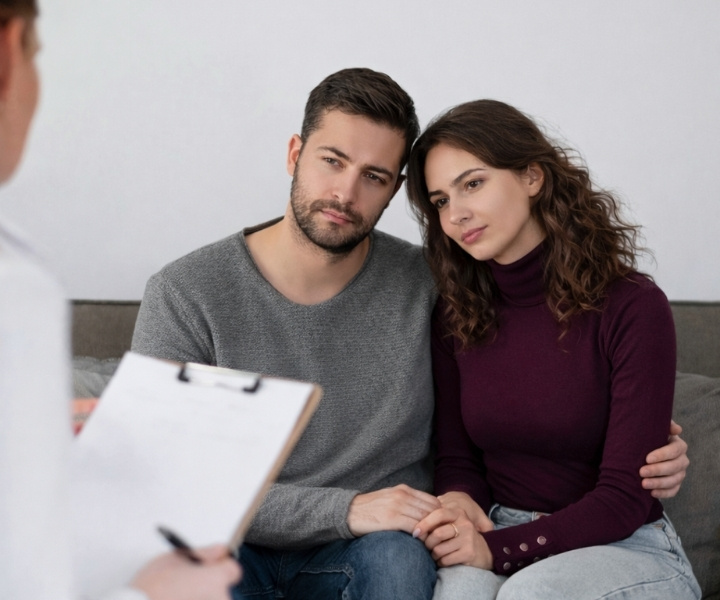
Over time, unresolved emotional tension can distort the way people see themselves. Repeated criticism may lead someone to fixate on flaws.
Emotional distance may cause someone to question their attractiveness or worth.
Even well-meaning partners can unintentionally reinforce negative self-beliefs if communication breaks down.
This is where external support can play a constructive role.
Exploring relationship dynamics with guidance allows both people to step back and see patterns more clearly.
The goal is not to assign blame, but to rebuild clarity and balance.
When emotional patterns shift, the internal mirror often shifts too.
Feeling respected and emotionally acknowledged can restore confidence that may have quietly faded over time.
Improving self-image within a relationship often begins with awareness.
Asking honest questions like “How do I feel about myself when I’m with this person?” or “What messages am I internalizing?” can be eye-opening.
These reflections help separate personal worth from relationship challenges. Small changes matter.
Expressing appreciation, listening with presence, and addressing issues openly can slowly reshape emotional dynamics.
These changes often lead to noticeable shifts in confidence, posture, and self-expression.
It is also important to maintain a sense of self outside the relationship.
Healthy self-image grows when individuals feel grounded in their own values, interests, and emotional needs. Relationships should enhance identity, not replace it.
The mirror effect reminds us that love does not just shape how we connect with others. It shapes how we connect with ourselves.
When relationships are rooted in respect, honesty, and emotional safety, they reflect back something powerful: the permission to be fully seen, accepted, and confident as we are.
Our relationships have a lasting impact on how we see ourselves, often in ways we don’t immediately notice.
The words we hear, the attention we receive, and the emotional safety we feel all shape the reflection we carry inside.
When relationships are grounded in respect and understanding, they can strengthen confidence and self-acceptance.
When they are strained, they may quietly distort self-image. Becoming aware of this mirror effect allows us to respond with intention.
By nurturing healthier emotional dynamics, we give ourselves the chance to see not just a reflection, but a more authentic and grounded version of who we truly are.

Dementia can be difficult to diagnose, as many of its symptoms are also seen in other conditions. This blog post will discuss the most common signs of dementia.
Learn four common signs of hearing loss—such as tinnitus, difficulty in conversations, and social withdrawal—that signal it’s time for a hearing check-up.

Children suffer from a number of health conditions. It's time to know about the cure of two such orthopaedic problems that are quite common among children.
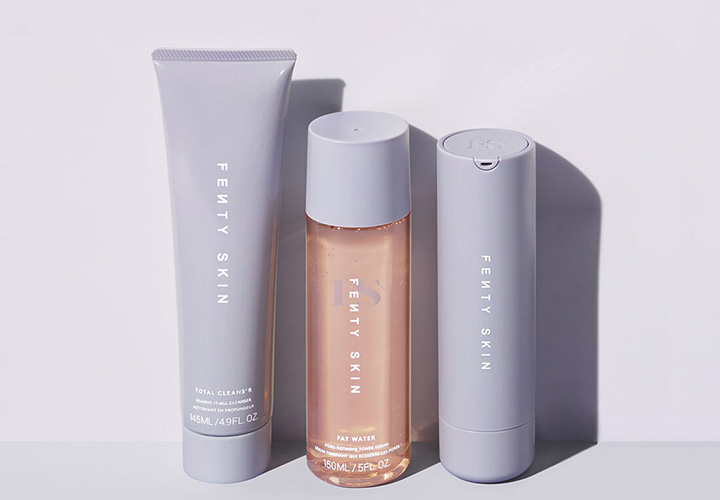
Are the ingredients good or bad? Are the products outstanding? Which one has the best formula? Know the answers of all here.
Irrespective of all ages, Acid Reflux can occur especially at night. In this article, we would try to explore the causes, symptoms, management, and prevention.

These days, IVF has become quite popular among couples who go through infertility issues. Know the risks involved with this treatment.
Improve your focus with six daily wins—from removing distractions to better sleep and simple calming habits. Know all these small changes.

Millions of people died of CV disease in 2019. This is one of the reasons why visiting the Cardiologist regularly is needed. Know more here.

Properly collected Rainwater is beneficial for our health and it has been proven repeatedly. But, did you know that it is beneficial for your pet as well? Take a look.

Not everyone is a big fan of Low Sodium Salt. But, it is full of health benefits for sure. Let the expert explain how this type of salt can reduce the chances of stroke.
This blog uncovers 14 easy ways how modern treatments and procedures can uplift or enhance your skin care routine.

Discover how community fitness and group workouts are transforming traditional gyms and helping people stay motivated and committed to fitness.