Is it possible to keep growing hair even after crossing 50? a brief analysis
After crossing 50, it becomes difficult to grow hair. Well! If you are a quinquagenarian, here is a guideline on how you can do that.
A beard transplant is a surgical option for patchy facial hair. Learn how the procedure works, who may be suitable, recovery expectations, and potential risks before treatment.
By Manisha
Posted on | Last Updated
Patchy or uneven facial hair is a common concern for many men.
While genetics often play a significant role in beard density and growth patterns, other factors such as scarring, hormonal influences, or previous skin conditions can also contribute to irregular facial hair growth.
For individuals seeking a longer-term solution, beard transplantation has become an increasingly discussed option within hair restoration medicine.
This article explains the available beard transplant options, how the procedure works, who may be suitable, and what to consider before proceeding with treatment.
It is designed to support informed decision making rather than promote any specific outcome.
A beard transplant is a surgical hair restoration procedure that involves transferring hair follicles from one area of the body, typically the scalp, to areas of the face where beard growth is sparse or absent.
The goal is to improve facial hair density, shape, or coverage in a way that aligns with natural growth patterns.
The procedure is most commonly performed using follicular unit extraction, also known as FUE.
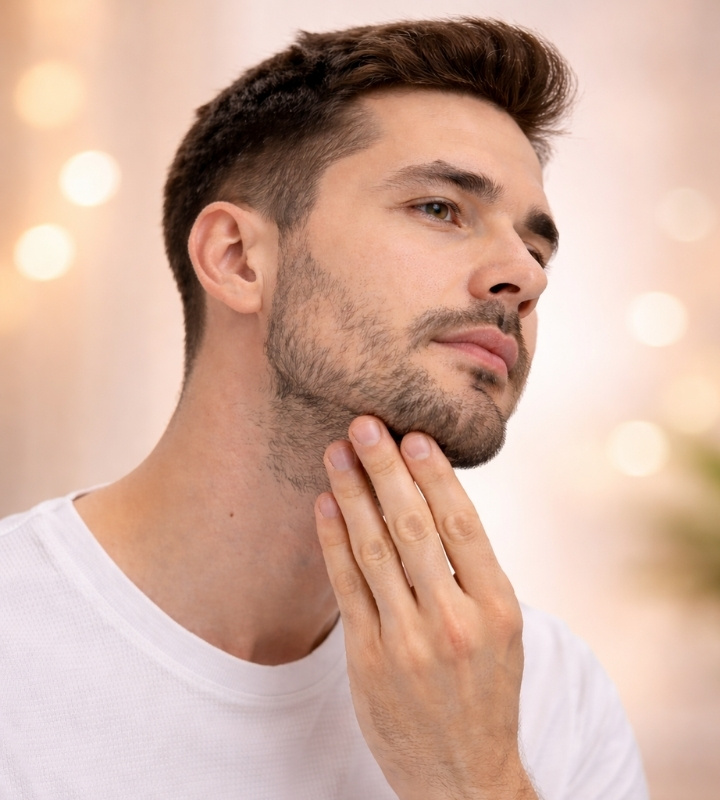
This technique allows individual hair follicles to be harvested and implanted with precision, supporting a more natural appearance when performed by an experienced medical team.
Understanding the cause of patchy facial hair is an important step before considering treatment.
In many cases, uneven beard growth is genetic and becomes apparent during or after puberty. Some individuals never develop full beard coverage despite otherwise normal hair growth elsewhere.
Other contributing factors may include:
A medical consultation can help identify whether beard transplantation is a suitable option based on the underlying cause.
Suitability for beard transplantation depends on several factors.
Candidates are generally adults who have stable facial hair patterns and adequate donor hair available, usually from the scalp.
During a consultation, a medical practitioner will assess:
Beard transplantation may not be appropriate for individuals with certain medical conditions, active skin disease, or unrealistic expectations.
A thorough assessment is essential to determine whether treatment is appropriate.
The most commonly used technique for beard restoration is follicular unit extraction.
With FUE, individual hair follicles are removed one at a time from the donor area and implanted into the beard region.
This method allows for careful control over:
Because beard hair grows at different angles compared to scalp hair, precise placement is critical.
The success of the procedure depends heavily on the practitioner’s understanding of facial hair growth patterns.
Beard transplant procedures are typically performed under local anesthesia in a clinical setting.
The duration of the procedure varies depending on the number of grafts required, but it often takes several hours.
Patients remain awake during the procedure and may experience mild discomfort during anesthetic administration.
Once numbness is achieved, most individuals report minimal sensation throughout the transplant process.
After the procedure, small scabs form around the implanted follicles. These usually resolve within one to two weeks as the skin heals.
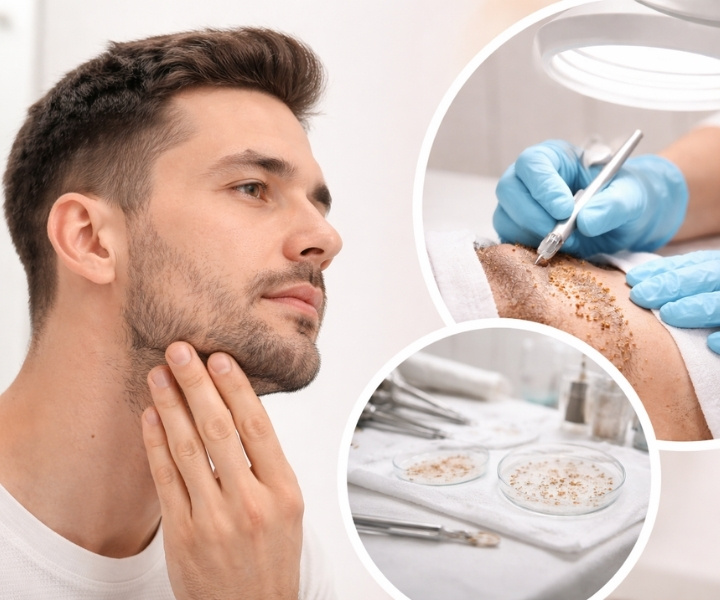
Recovery following a beard transplant requires patience and adherence to aftercare instructions.
Swelling, redness, and mild tenderness in the treated area are common during the initial recovery phase.
Patients are typically advised to:
Most individuals can return to non-physical work within a few days, depending on comfort and healing progress.
It is important to understand that transplanted beard hairs do not grow immediately.
In the weeks following the procedure, the implanted hairs often shed, which is a normal and expected part of the process.
New growth typically begins several months later as the follicles enter a new growth cycle.
Visible improvements develop gradually, with fuller results commonly assessed around nine to twelve months after treatment.
Hair growth timelines vary between individuals and should be discussed during consultation.
As with any surgical procedure, beard transplantation carries potential risks.
While complications are uncommon when performed by qualified professionals, they may include:
There are also limitations to what the procedure can achieve.
Donor hair availability, skin characteristics, and existing scarring can affect outcomes.
Beard transplantation enhances density but cannot always replicate the appearance of naturally dense facial hair in every individual.
Managing expectations is critical to patient satisfaction.
Beard transplantation is intended to improve coverage and appearance, not to create perfection or guarantee specific cosmetic outcomes.
Once transplanted hair has fully matured, it can usually be shaved, trimmed, and styled like natural beard hair.
Long-term results depend on proper planning, surgical technique, and individual healing response.
Follow-up appointments allow practitioners to assess progress and address any concerns during the growth phase.
Patchy facial hair can affect self-confidence for some individuals, but treatment decisions should always be made thoughtfully.
Beard transplantation is a medical procedure that requires careful assessment, realistic expectations, and qualified surgical care.
By understanding the causes of patchy facial hair, the available transplant techniques, and the recovery process, patients can approach beard restoration with greater clarity.
A detailed consultation with a qualified practitioner remains the most important step in determining whether a beard transplant is an appropriate option for your individual circumstances.

After crossing 50, it becomes difficult to grow hair. Well! If you are a quinquagenarian, here is a guideline on how you can do that.

Explore how emotional safety, communication, and relationship dynamics influence self-image, confidence, and emotional wellbeing through the mirror effect.
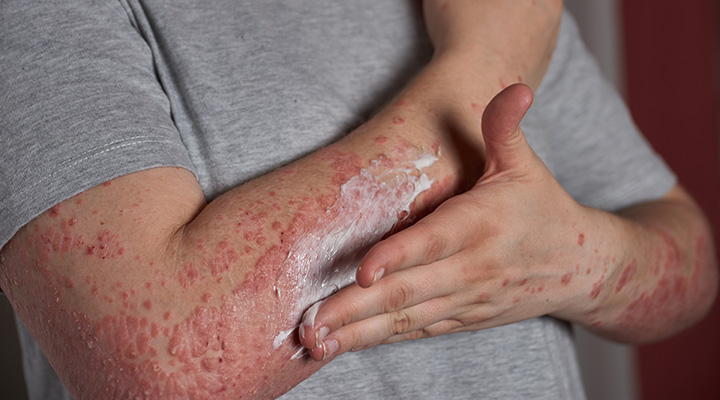
Psoriasis is a serious skin concern that needs to be understood. Random ointments and lotions might not work. In this article, I will share what triggers Psoriasis symptoms, seasonal care to limit the symptoms, and many such important facts that will help you to understand this skin condition more.

Irrespective of all ages, Acid Reflux can occur especially at night. In this article, we would try to explore the causes, symptoms, management, and prevention.

Your DNA may hold the secret to better workouts and smarter eating. Learn how genetic testing can personalize your fitness and nutrition plan, guiding you toward sustainable energy, effective training, and improved overall health.

Know why and how slim coffee helps to feel you energetic and keep you fulfilled in between your meals without making you obese.

Without assistance, beginners often find it difficult to learn Yoga. Know how experts can help you to determine your level so that you can master this art within no time.

Discover how community fitness and group workouts are transforming traditional gyms and helping people stay motivated and committed to fitness.
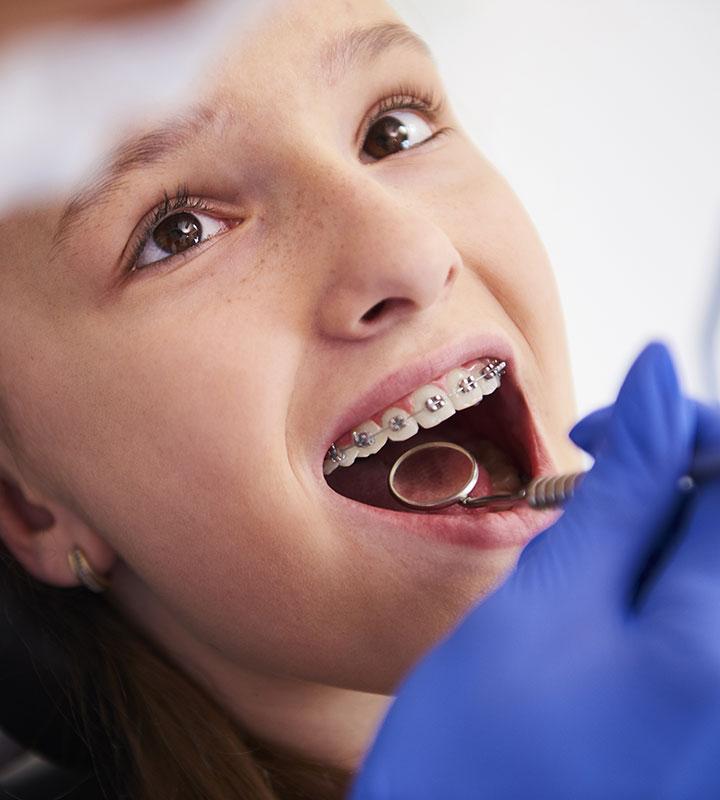
Do you want to correct your dental alignment, but are not sure how to get the right brace? In this article, check out how an expert does orthodontic treatment.

Wearable medical alert systems have made remarkable breakthrough in the medical field. Let us know how integrating AI with these systems can help the patients more.

Purified water is always known to have loads of benefits. It is also considered the best over regular tap water. But, why!! It's time to explore such things in brief.

There are a few things that you need to cross-check if you are planning to head to a Medical Spa Center anytime soon. Take a look!