Purchasing synthetic peptides: important aspects to consider
Synthetic peptides can be easily bought online but here are some important things to consider. Let’s find out what they are!
Not all dental crowns are the same. Learn the differences between porcelain, zirconia, PFM, and metal crowns to choose the best option for aesthetics, durability, and long-term function.
By Sampurna
Posted on | Last Updated
After the discussion of needing a crown, naturally, the next part of the conversation is types: porcelain, zirconia, metal, fused, different combinations, etc.
To most laypeople, this means little. They sound clinical.
There’s not much distinguishable difference among them in the immediate present.
Also, it’s not clear why any would be appropriate for your specific situation more than another.
Yet certain implications exist between types of crowns which significantly influence aesthetics, durability, and functionality over time.
Therefore, it’s best to know the primary types and what distinguishes them as most appropriate for one’s needs.
Not all crowns are created equally and what works for one tooth in one location may be entirely inappropriate for another.
Type matters for three primary reasons—aesthetics, durability and price.
A crown on a tooth at the front of the mouth that people will see compared to a molar in the back getting the brunt of chewing force will be assessed through two different lenses.
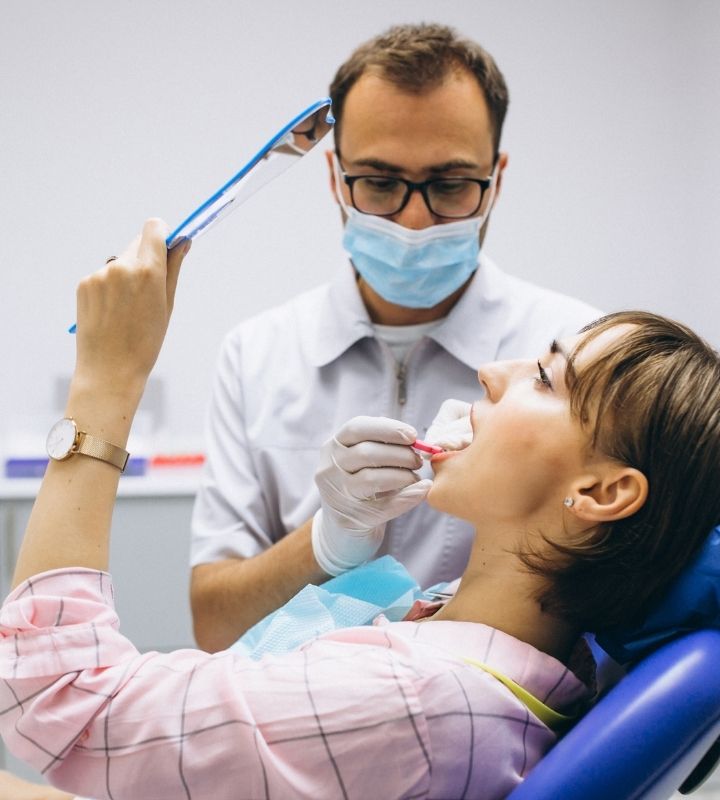
Yet those researching options and dental crown cost Singapore will see the trade-offs clearer.
Some materials may seem preferred for aesthetic value but lack incredible durability; some look harsh but boast incredible strength; some try to meet in the middle with various results.
Ultimately, the goal of identifying crown type as applicable comes down to the pressure it will receive in placement as well as individual prerogatives.
Porcelain crowns (also known as all-ceramic) are those most frequently placed on front teeth because they’re the most natural-looking.
This is important due to their placement where they are the most visible.
Porcelain can often be color and translucency matched to surrounding teeth. They’re so well made that people won’t even know that tooth is crowned.
Porcelain makes sense for an aesthetic approach. Porcelain crowns used to be weaker over time but recent blends have made a world of difference.
Most people don’t grind their teeth on their front teeth so porcelain should last them years without incident.
But it does chip or crack if pressure’s applied—thus, why it isn’t generally used for back molars in grinding patients.
Zirconia has become increasingly popular as a newer option that’s both strong and aesthetic.
It is a ceramic material that boasts much stronger qualities than porcelain and thus can offer similar aesthetic and functional opportunities for front or back teeth like others cannot.
Strength-wise, zirconia will not chip or crack like porcelain.
This makes all the difference for molars that receive tremendous chewing pressure.
Grinding individuals receive better results with zirconia crowns on their back teeth as well since dental cement over time can shift certain materials.
Aesthetically speaking, zirconia is a bit opaque. Older generations have not possessed proper translucency and coloring abilities.
However, modern zirconia can receive better translucency and coloring abilities but cannot compete with porcelain’s natural appearance.
For back teeth—where functionality matters more than perfect aesthetics—all the difference.
Porcelain-fused-to-metal (PFM) crowns are made from a metal base on the bottom fused with porcelain on top.
This was once the crown of choice for decades as it gives strength through metal and best aesthetic capabilities through porcelain.
Metal crowns are incredibly sturdy—and fusing porcelain on top makes these crowns extremely powerful—but PFM crowns are as strong as full metal crowns yet have better aesthetics thanks to the porcelain finish.
On the other hand, PFM crowns are not aesthetically pleasing due to a dark metal lining that could show at the gum line—especially if recession occurs.
This line does not bode well when it’s visible on the front of a mouth; however, where dental professionals would use PFM ten years ago, they now favor zirconia over PFM because it has more strengths than weaknesses.
Full metal crowns boast maximum durability for best strength but minimal aesthetics. These materials rarely fail or chip due to wear.
They hold up quite well against friction through chewing and offer a good option for back molars where nothing will be seen.
Gold crowns are even nicer to opposing teeth—unlike other harsh metals. Such metals wear down opposite teeth over time due to improper friction levels.
Gold has similar hardness to enamel which equals minimal wear on opposing teeth.
The largest downside is aesthetics—it’s clear that someone has a golden crown or a metal one in their mouth.
Many would prefer not to have visible crowns on their front teeth of gold or metal—but there are reputable reasons why people would prefer tried-and-true materials versus new materials for pure durability in far-back molars.
Additionally, metal crowns require less tooth reduction than some other materials because metal is strong enough already.
The dentist is able to preserve some natural tooth structure for future health, thereby forcing less of the original tooth to be sacrificed.
Where it goes is crucial in determining which crown someone should get.
Naturally those going on front teeth will receive porcelain or high-quality zirconia since those will be visible.
The forces that act upon front teeth are minimal (talking/eating) which means slight durability is acceptable.
Conversely those on back molars do not face external forces because they’re not visible when talking/smiling so they can appreciate the best durability and strength through zirconia, PFM or even full metal crowns.
Premolars are a confusing middle ground—they are sometimes visible (far forward or backward) meaning they receive moderate forces.
Thus, the final determination may rest on bite patterns or if it’s visible when talking/smiling.
Of course those who grind their teeth need more solid pieces regardless of placement; even front teeth may appreciate zirconia vs porcelain depending on how much grinding pressure exists.
Professionals are trained to see if someone grinds their teeth based on erosions created.
Cost-related concerns are acceptable assessments since crown costs do diverge based on preferred material.
However, all-porcelain and zirconia options tend to be more highly priced.
As even the lowest priced option may not be economical in the long-term if it doesn’t suit need and crown replacement occurs sooner rather than later.
Students playing sports should assess their options; nail-biters/ice-chewers; people with strong bite patterns—these matter when contemplating what makes sense.
Ultimately by knowing about crown types gives patients a better sense of what’s relevant once they get into their dentist appointment and have an information-based discussion relevant to their situation.
Questions worth asking oneself include: is this tooth visible? What’s its facing pressure? Do I grind my teeth? What’s my budget? How important is longevity vs cosmetic appeal?
The reality is that there’s rarely one correct answer—there’s often reasonable alternatives with various trade-offs.
Someone could easily choose all-porcelain for a front tooth. Though it has more costly attribution because they care about how it looks there most.
That same person could choose zirconia or metal for back molars because durability is most reasonable there compared to aesthetics.
A dentist should not automatically champion what’s highest priced.
But most realistically accurate for functional type based upon bite patterns, aesthetics/longevity—and your budget—with nuances filling in decision-making abilities.
The more comfortable one is in understanding what types appeal to them fill help justify their discussion about priorities.
It means that whatever crown type ends up being selected fills one’s needs best.
Ultimately, it’s not an automatic product based upon lack of personal knowledge before coming into the office.
Synthetic peptides can be easily bought online but here are some important things to consider. Let’s find out what they are!

Who doesn't want a happy and healthy life? Here are 4 self-care habits that would help you to live a beautiful & healthy life altogether in long run.

In a world that often feels like a whirlwind of stress and demands, know how ancient yoga and meditation practices rejuvenate our health and lifestyle.
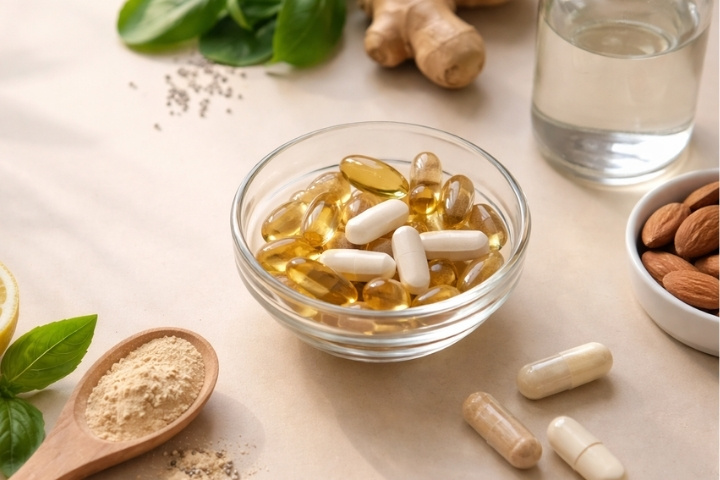
Do skin and hair multivitamins really work? A science-backed, Indian-context breakdown of benefits, limits, digestion, deficiencies, and long-term use—without brand hype.
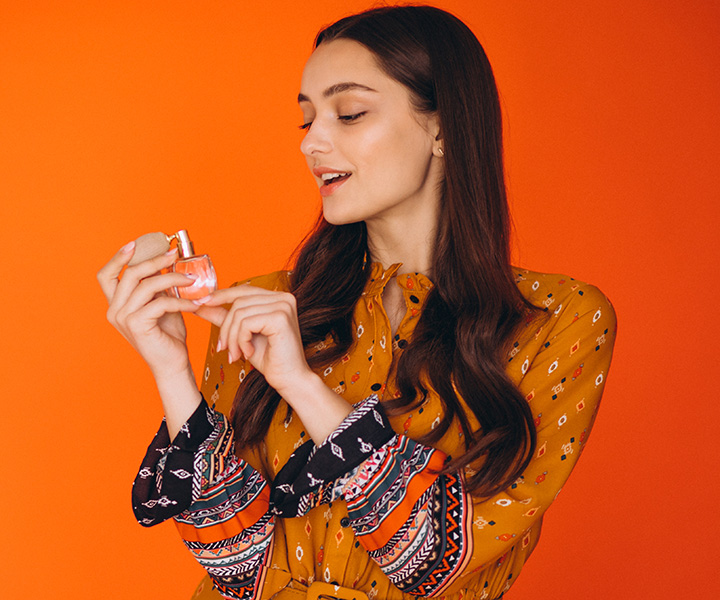
Know the art of fragrance layering to develop a unique scent. This guide will help you to walk through the process of combining different fragrances in brief.
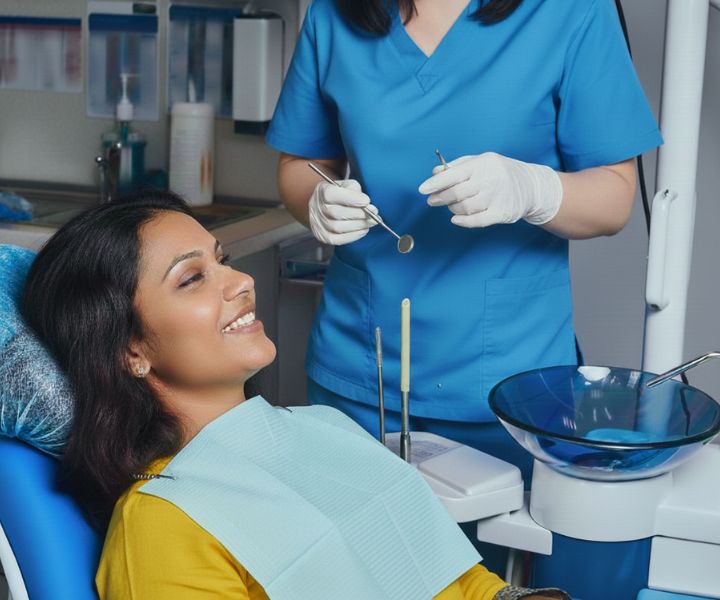
Discover why Juhu is one of Mumbai’s best areas for dental care. Learn about modern clinics, expert dentists, treatments, costs, and patient FAQs.

This guide simplifies the process—helping you know your skin type, choose the right ingredients, and build a routine that actually works. From patch testing and actives to budget-friendly picks, find out how to create a safe, effective routine.

Are you looking for a quick hair transplant clinic in India? Check out this one-stop guide.

Among all the vitamins and nutrients, Vitamin D is one of the most important ones. Know why and how taking a vitamin D supplement or tablet daily can give you a new & healthy life.

There are many natural foods that seem unhealthy but are full of nutritious elements. Discover 6 such natural foods and food products that are extremely delicious and nutritious.

Low testosterone levels can lead to decreased libido, lack of energy, difficulty sleeping, weight gain, depression, mood swings, and reduced muscle mass. Know how TRT can help you in such situation. Also know the safety, precautions, and preparation for this therapy in detail.

Well! Post-covid setup says that most of us prefer buying medicines from online pharmacies only as it is more convenient. But, is the habit good or bad? Let's check out.