Everything you need to know about appendicitis
Have your friend/family recently been diagnosed with appendicitis? Don't worry! From symptoms to treatments, here are everything you need to know about it.
Botox treatment is a non-surgical procedure used to soften facial lines. Learn how Botox works, who may be suitable, potential risks, and what to expect before and after treatment.
By Keith Myers
Posted on | Last Updated
Botox treatment is one of the most widely performed non-surgical cosmetic procedures worldwide.
It is commonly used to reduce the appearance of facial lines and wrinkles, as well as for certain medical indications.
While Botox is well established, it remains a medical treatment that requires careful consideration, appropriate assessment, and realistic expectations.
If you are considering Botox treatment, understanding how it works, who may be suitable, and what the process involves can help you make an informed decision aligned with your personal goals and medical needs.
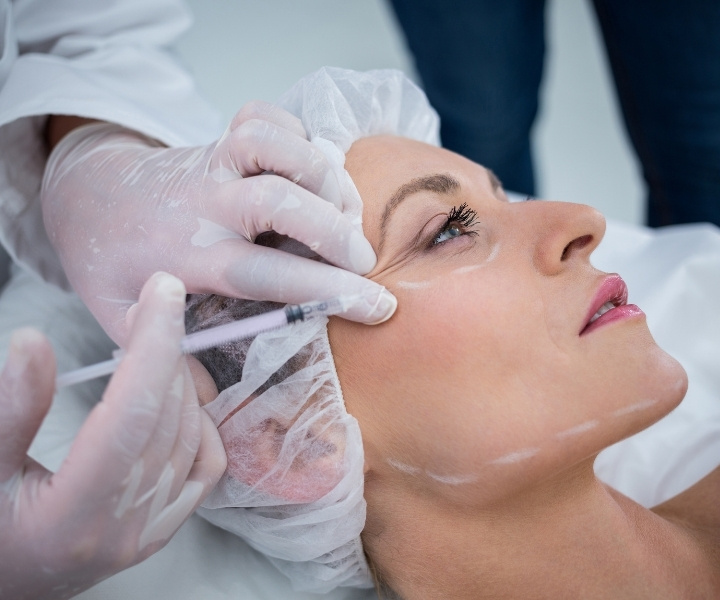
Botox is a prescription-only injectable medication derived from botulinum toxin type A.
In cosmetic use, it works by temporarily relaxing targeted facial muscles that contribute to dynamic lines, such as frown lines, forehead lines, and crow’s feet.
By reducing muscle activity in specific areas, Botox can soften the appearance of wrinkles caused by repetitive facial movement.
It does not “fill” the skin or add volume. Instead, it addresses muscle-related lines, making it a different treatment category from dermal fillers.
When administered by a qualified medical practitioner, Botox is used in carefully measured doses and placed precisely to support balanced, natural-looking results rather than an altered or frozen appearance.
Patients may explore Botox treatment for a range of cosmetic and therapeutic reasons. In aesthetic medicine, it is most commonly used to address:
Some individuals consider Botox earlier as a preventative measure, while others seek treatment once lines become more noticeable.
Treatment timing and approach vary depending on facial anatomy, muscle strength, and individual concerns.
It is important to understand that Botox does not stop the aging process.
Instead, it may help manage the appearance of certain lines when used as part of a broader, individualized treatment plan.
A comprehensive medical consultation is essential before proceeding with Botox treatment.
During this appointment, the practitioner should assess facial movement, muscle activity, skin quality, and overall facial balance.
Your medical history will also be reviewed to identify any conditions or factors that may affect suitability.
Certain neurological conditions, pregnancy, breastfeeding, or prior adverse reactions may influence whether treatment is appropriate.
This consultation is also an opportunity to discuss expectations, potential risks, and alternative options.
Ethical practitioners should provide clear information without guaranteeing specific outcomes or promoting unrealistic results.
Botox is not a one-size-fits-all treatment. Dosage, injection points, and treatment areas must be tailored to each individual.
Factors that influence treatment planning include:
A conservative approach is often recommended, particularly for first-time patients.
This allows results to be assessed and adjusted over time if needed.
For patients researching providers or treatment options in places like Western Australia, information about Perth botox injections should always be reviewed in the context of practitioner qualifications and medical oversight rather than pricing or promotional claims.
Botox treatment is typically performed in a clinical setting and usually takes between 15 and 30 minutes.
The injections are administered using very fine needles, and discomfort is generally minimal.
No general anesthesia is required, although some practitioners may use topical numbing if appropriate.
Most patients are able to return to normal daily activities shortly after treatment.
The effects of Botox are not immediate. Muscle relaxation typically begins within a few days, with full effects becoming more apparent over one to two weeks.
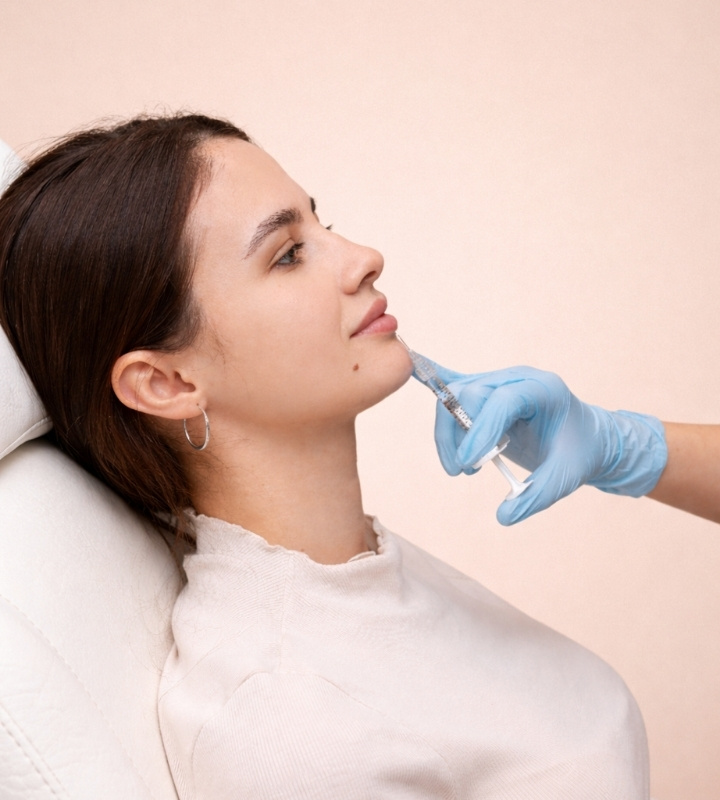
As with any medical procedure, Botox treatment carries potential risks and side effects.
The majority are temporary and mild, but patients should be informed of all possibilities before proceeding.
Common temporary effects may include:
Less common but more serious complications can occur, such as eyelid drooping or asymmetry, particularly if product migrates or is placed incorrectly.
These effects are usually temporary but highlight the importance of practitioner experience and anatomical knowledge.
Patients should always seek treatment from qualified medical professionals who use approved products and adhere to established safety protocols.
Aftercare instructions are an important part of the treatment process. Patients are typically advised to:
These measures help reduce the risk of product migration and support optimal outcomes.
Any unexpected symptoms or concerns should be reported promptly to the treating practitioner.
The effects of Botox are temporary. Most patients experience results lasting approximately three to four months, although this can vary depending on muscle strength, treatment area, dosage, and individual metabolism.
Over time, regular treatments may lead to longer-lasting effects in some patients due to reduced muscle activity.
However, ongoing maintenance treatments are typically required to sustain results.
Treatment frequency should be guided by clinical assessment rather than a fixed schedule.
Managing expectations is a key component of patient satisfaction.
Botox is intended to soften lines, not completely erase facial expression or dramatically change appearance.
A long-term approach focused on subtle enhancement, facial balance, and overall skin health is generally recommended.
Overuse or excessive dosing can compromise natural facial movement and expression.
Open communication with your practitioner helps ensure that treatment decisions remain aligned with your goals and evolving needs.
Botox treatment can be an effective non-surgical option for managing certain facial lines when performed responsibly and with appropriate medical oversight.
Understanding how it works, who may be suitable, and what to expect before, during, and after treatment is essential.
By prioritizing a thorough consultation, realistic expectations, and qualified care, patients can approach Botox treatment with greater confidence and clarity when deciding whether it is the right option for them.

Have your friend/family recently been diagnosed with appendicitis? Don't worry! From symptoms to treatments, here are everything you need to know about it.

Learn why toddler dental care matters, how to brush properly, prevent cavities, and when to see a trusted pediatric dentist in Singapore.

Beauty is not limited to using some products only. Understand the connection between your skin and your body’s internal systems with this guide.

The Great Indian Festival is about to start. Check out 5 handbag essentials that you can grab during this time when offers, deals, and discounts rain from everywhere.
Check out a few medical issues that trouble both teenagers and adults. Also, know-how as an adult one can deal with these.

When casual drinking turns into dependence, recovery becomes the path to healing, balance, and a better life.
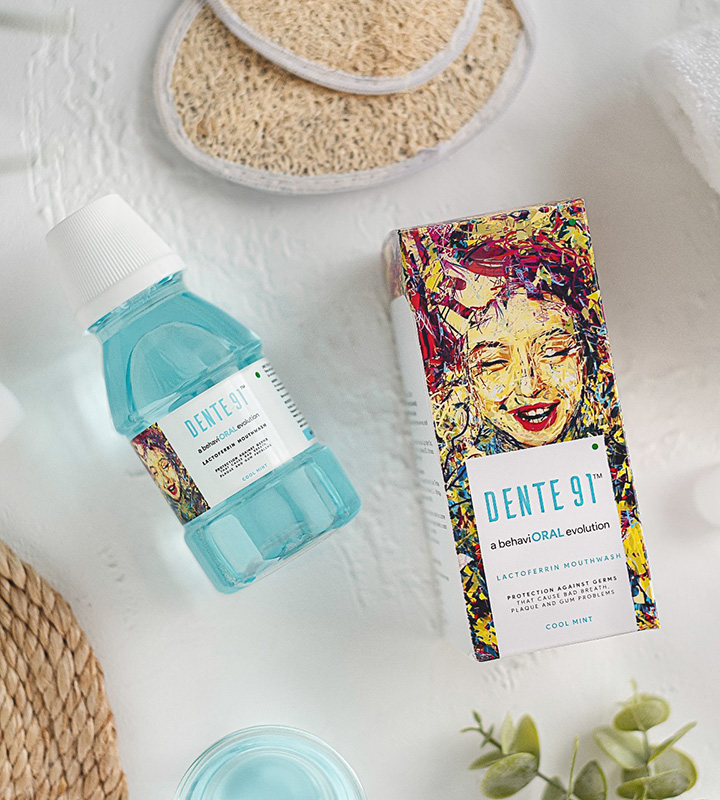
Dente91 Natural Cool Mint Toothpaste and Dente91 Cool Mint Alcohol free Mouthwash, this duo is launched recently in the Indian market. How effective the ingredients are? Take a thorough look at our analysis!

Well! Post-covid setup says that most of us prefer buying medicines from online pharmacies only as it is more convenient. But, is the habit good or bad? Let's check out.
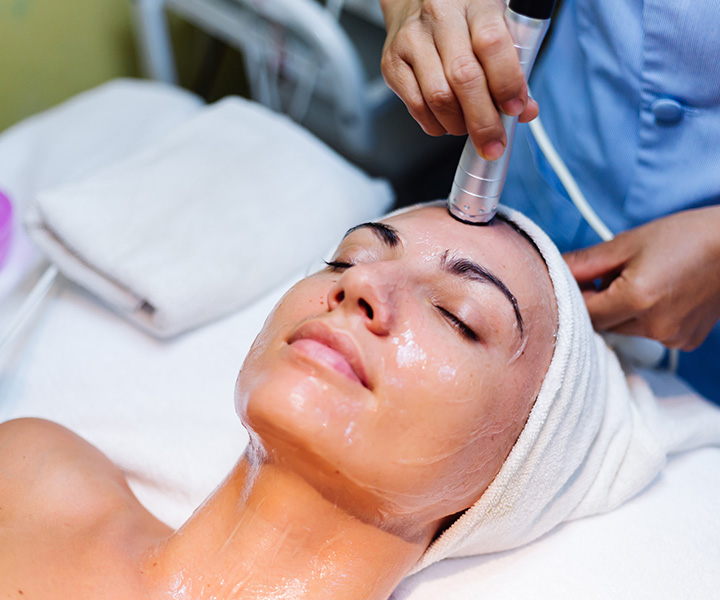
In this article, we will explore what cryotherapy is, how it works, and what makes it such a great option for treating various skin conditions.

Clinical studies have also shown that autistic children whose diet is rich in vitamins A and D have a lesser chance of developing depression. Let's talk about nutritional supplements for autistic children that can ease the symptom.
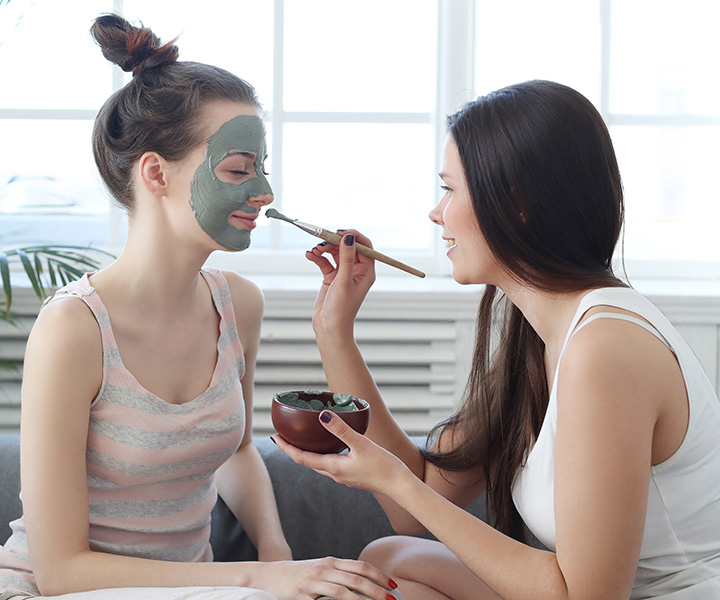
Let's understand the skincare basics with some pro tips and home remedies that would help you to get visibly glowing and healthy looking skin at home.

Do you want to stay active and healthy while travelling abroad countries? Find out how you can maintain your fitness level without compromising your vacation.