How a minimizer bra creates a smooth and balanced look
Want your clothes to drape effortlessly without gaps or bulges? Know how a minimizer bra acts like a quiet hero—giving you a refined silhouette and all-day confidence.
Learn how to choose the perfect fragrance by exploring scent families, perfume concentrations, skin chemistry, and tips for testing and selecting your ideal scent.
By Palak Gupta
Posted on | Last Updated
The quest for the perfect fragrance is deeply personal. What smells absolutely divine to one person might be entirely wrong for someone else.
Finding a scent that truly resonates with your personality, lifestyle, and skin chemistry requires patience, knowledge, and a willingness to explore different options.
Whether you are looking for an everyday fragrance or something special for particular occasions, understanding how to navigate the world of scent can transform your shopping experience and help you discover fragrances that become part of your signature style.
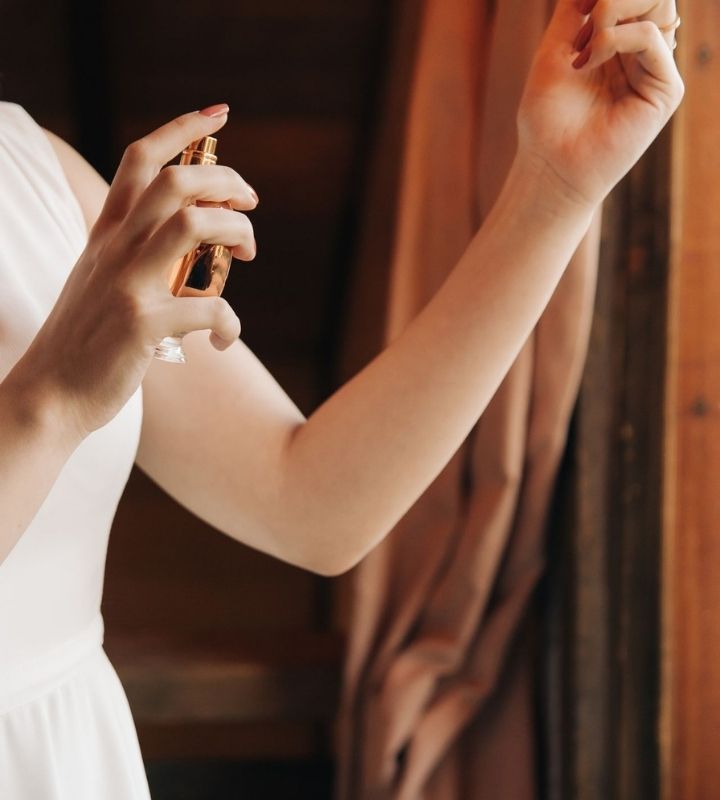
One of the most important factors when selecting a fragrance involves understanding the different concentrations available on the market.
Perfumes, also known as pure perfume or parfum, contain the highest concentration of fragrant oils, typically between 20 and 40 percent.
This means they last longer on your skin and project more powerfully than lighter formulations.
Eau de parfum contains between 15 and 20 percent fragrant oils and offers an excellent balance between longevity and wearability for most people.
Whereas, Eau de toilette has a lower concentration, usually between 5 and 15 percent, making it lighter and more refreshing for everyday wear or warmer months.
Eau de cologne and eau fraiche are even lighter options, typically containing less than 5 percent fragrant oils, and understanding these distinctions helps you select a product that matches your intended use.
Fragrances are organized into distinct families based on their primary characteristics and the types of notes they contain.
Floral fragrances are among the most popular and include everything from light, fresh florals to rich, heady blooms that make bold statements.
Citrus and fresh fragrances offer bright, energetic scents that feel clean and uplifting, making them excellent choices for daytime wear and professional settings.
Woody fragrances feature warm, earthy base notes and often appeal to people seeking depth and sophistication, while oriental or amber fragrances tend to be rich, sensual, and long-lasting, with sweet and spicy undertones.
Aromatic fragrances combine herbaceous and slightly spicy notes, often with fresh elements that keep them from feeling too heavy.
By exploring these different families and noticing which ones appeal to you most, you can narrow your search significantly and avoid wasting time on fragrances that fundamentally do not match your preferences.
Testing a fragrance before committing to a full-size purchase is essential for making wise decisions.
Many people make the mistake of smelling multiple fragrances in rapid succession, which confuses the olfactory senses and makes honest comparison nearly impossible.
Instead, test one fragrance at a time, preferably on a paper strip or the inside of your wrist, and give yourself time to experience how it develops over several hours.
Fragrances evolve through different stages known as notes: the top notes appear immediately and fade within minutes, the heart or middle notes emerge next and define the fragrance’s character, and the base notes emerge last and provide lasting power.
Testing a fragrance for at least 15 to 30 minutes gives you a much better sense of how it will actually perform on your skin and whether you enjoy all of its stages.
Many department stores and specialty retailers offer sample vials, which allow you to take fragrances home and test them in your own environment before making a purchase decision.
Fragrance does not smell the same on everyone because skin chemistry plays a significant role in how a scent develops and performs.
Factors such as natural body oils, pH levels, and even diet can influence how a fragrance smells on your skin compared to how it smells in the bottle or on someone else.
People with oily skin often find that fragrances last longer and project more strongly, while those with dry skin might need to reapply more frequently or opt for richer, more concentrated formulations.
Your environment and lifestyle also matter when selecting fragrances, since a scent that feels perfect for a cool autumn day might be overwhelming in summer heat.
Consider rotating fragrances seasonally, choosing lighter fresh scents for warm months and heavier, spicier options for cooler seasons.
Thinking about when and where you will wear a fragrance helps ensure you make selections that enhance rather than detract from your daily experience.
While mainstream fragrances dominate retail spaces, niche and luxury perfume houses offer distinctive alternatives for people seeking something different.
Niche perfumers often focus on unique, artistic creations using high-quality ingredients, resulting in fragrances that stand out from mass-market offerings.
Luxury brands typically emphasize heritage, craftsmanship, and premium ingredients, justifying their higher price points through superior longevity and complexity.
Shoppers who browse perfumes and colognes through StyleRule gain access to a thoughtfully assembled range of options that goes well beyond what traditional department stores typically carry.
Many niche and luxury fragrances have smaller distribution, which means wearing them becomes a more distinctive experience.
Researching fragrance publications, reading reviews, and visiting specialty shops exposes you to a wider world of options and helps you discover hidden gems that speak to your personal taste.
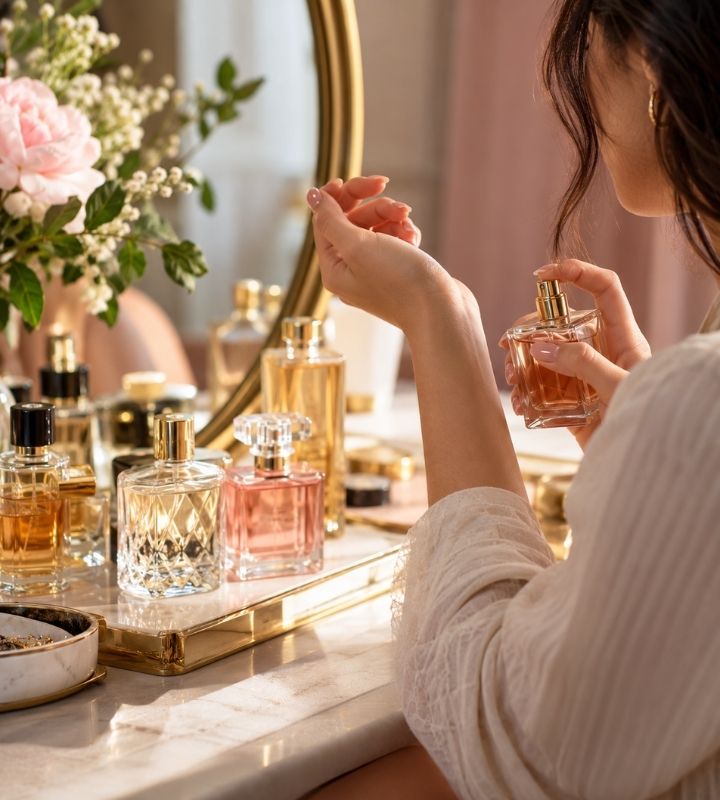
Rather than searching for a single perfect fragrance, consider building a small collection that addresses different moods, seasons, and occasions.
Most fragrance enthusiasts find that having a light everyday scent, a signature fragrance for special occasions, a seasonal option, and something with particular character for experimentation creates a versatile wardrobe.
Rotating fragrances prevents olfactory adaptation, which occurs when your nose becomes so accustomed to a scent that you stop noticing it even though others can still detect it.
This natural phenomenon is one reason why fragrance lovers maintain collections rather than relying on a single scent year-round.
Starting with one quality fragrance and gradually expanding your collection allows you to discover what you truly love without overwhelming yourself or your budget.
Building a wardrobe also lets you express different aspects of your personality and adapt your scent to match your mood and the occasion.
Selecting the right fragrance requires understanding concentrations, exploring different scent families, testing options carefully, and considering your individual skin chemistry and lifestyle.
By taking time to educate yourself about these factors and approaching fragrance selection thoughtfully rather than impulsively, you greatly increase the likelihood of finding scents that bring genuine satisfaction.
The perfect fragrance is not necessarily the most expensive option or the most popular choice, but rather something that resonates with who you are and enhances your daily experience.
Whether you prefer fresh citrus scents, rich florals, or warm woody notes, the fragrance world offers virtually endless options for discovery and enjoyment.

Want your clothes to drape effortlessly without gaps or bulges? Know how a minimizer bra acts like a quiet hero—giving you a refined silhouette and all-day confidence.

Amidst all the buzz and noise, know how people in California are taking control of their lives and leading a healthy lifestyle.
Let's understand the skincare basics with some pro tips and home remedies that would help you to get visibly glowing and healthy looking skin at home.

Scalp Micropigmentation might be a permanent solution to solve hair loss trouble. But, before a sitting, know the crucial things about the procedure first. And, this article can be your one-stop guide for that.

Discover how spirituality supports healthy aging by improving mental wellness, creating purpose, building social connections, and helping seniors cope with life changes peacefully.

Cosmetic dentistry may begin in the dental chair, but the real transformation often happens behind the scenes. Dive into the fascinating world of dental labs—where digital precision meets artistic craftsmanship—to uncover how they help create stunning, life-changing smiles.
Not everyone is a big fan of Low Sodium Salt. But, it is full of health benefits for sure. Let the expert explain how this type of salt can reduce the chances of stroke.
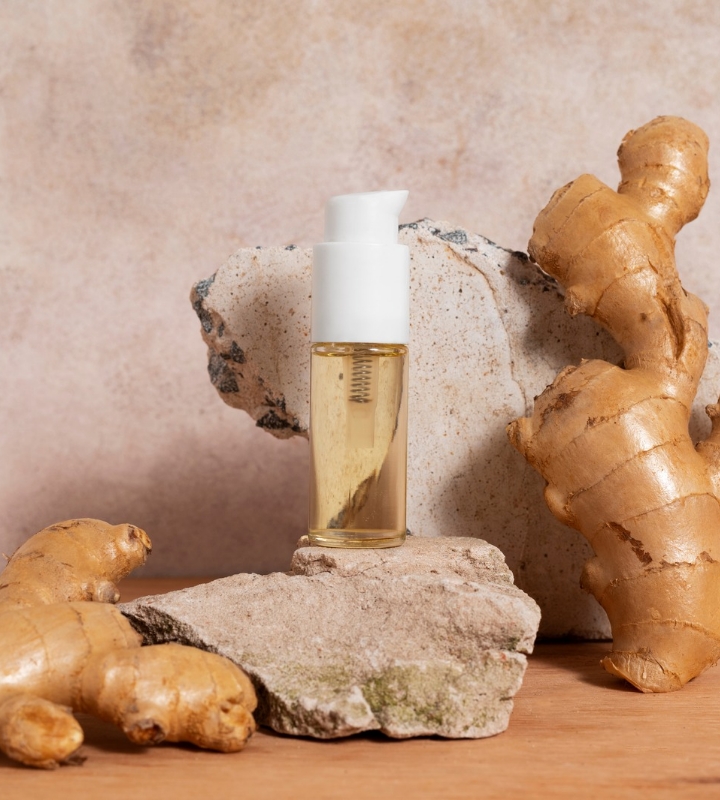
Know how to revive thinning hair naturally with ginger oil root activator spray. Discover the secrets of getting fuller-looking hair in just weeks.

Dive into the potential risks and side effects of IVF and find valuable ways to reduce potential complications during the IVF process.
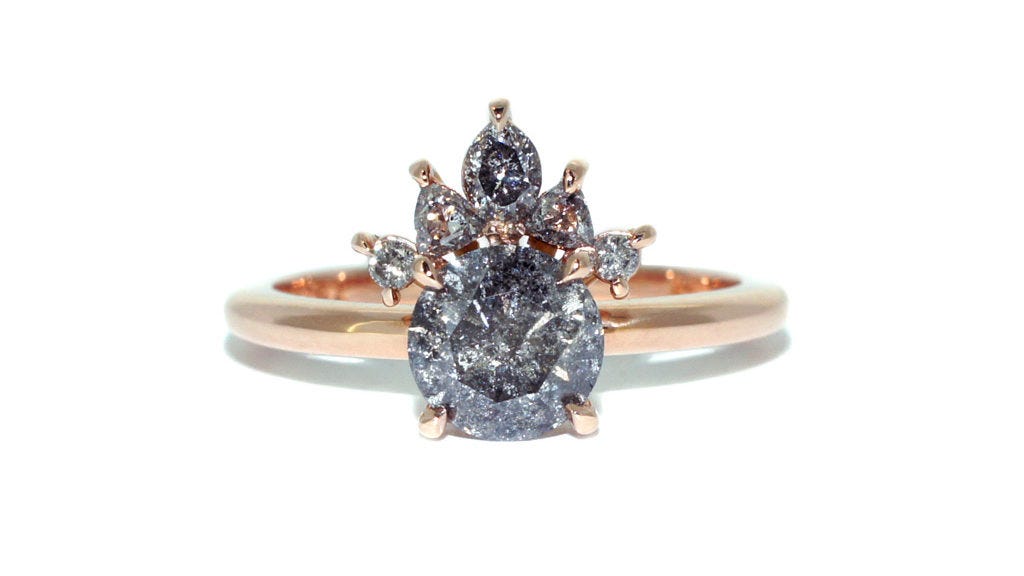
A salt and pepper diamond is rare and looks beautiful on engagement rings. Know how to clean and maintain the shine of salt and pepper diamonds.

The specific precious metal you choose can enhance your beauty […]

Kybella injections are safe for the body, but various factors can influence how your body reacts to the treatment. If you are interested in addressing your double chin issue, know the safety issues of Kybella treatment.