Film formers vs. setting sprays: what actually makes your makeup last all day
Discover what makes makeup last all day. Learn how film formers, primers, and setting sprays work—especially in heat and humidity—for truly long-lasting results.
Discover how cannabis harvest timing affects cannabinoid development, terpene preservation and flower quality, and what consumers should know when choosing cannabis.
By Keith Myers
Posted on | Last Updated
Cannabis quality starts long before a product reaches a shelf or arrives at a customer’s door.
Genetics, cultivation methods, environmental conditions and post-harvest handling all play important roles, but one factor that often receives less attention is harvest timing.
The point at which a cannabis plant is harvested can influence its cannabinoid profile, terpene preservation and overall characteristics, ultimately affecting how consumers perceive the final product.
For wellness-oriented cannabis users, consistency matters just as much as potency. Many people are not simply searching for the strongest flower available.
They want products that align with their routines, whether that means unwinding after a demanding day, creating a more relaxing evening environment or simply enjoying a premium cannabis experience.
Understanding how harvest timing contributes to product quality helps consumers make more informed purchasing decisions while appreciating the work that goes into producing exceptional cannabis.
Growing cannabis requires patience. A plant moves through multiple developmental stages before it reaches maturity, and every stage contributes to the characteristics of the finished flower.
Harvesting too early or waiting too long can influence everything from aroma and appearance to cannabinoid development and terpene retention.
Many new consumers assume cannabis reaches peak quality simply because enough time has passed since planting.
Experienced cultivators know it is much more precise than that.
Instead of following a fixed calendar, growers evaluate plant maturity through several indicators including flower development, trichome appearance and overall plant health.
This careful observation allows cultivators to identify the harvest window that best matches their cultivation goals.
Missing that window by harvesting prematurely or delaying too long may change the qualities consumers expect from premium cannabis flower.
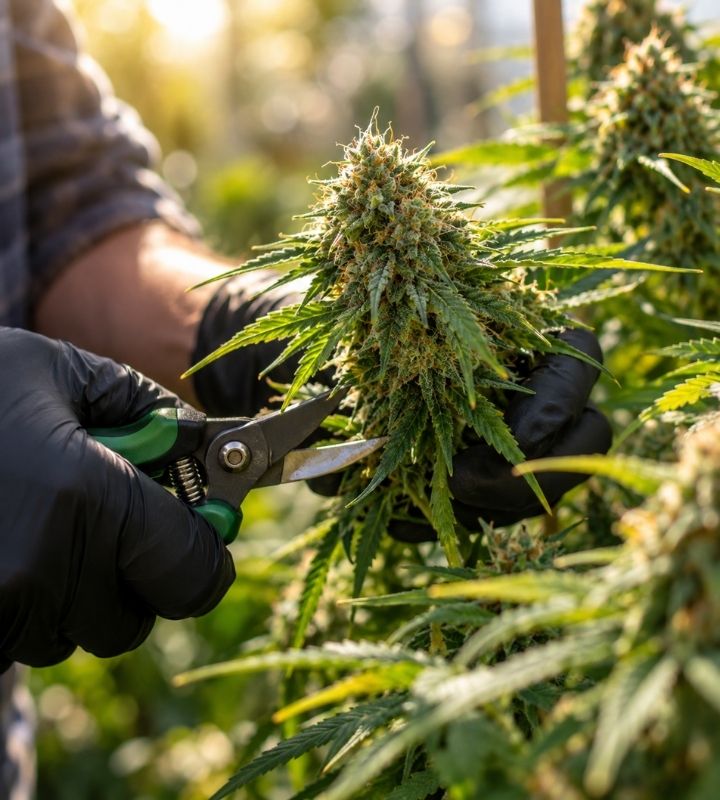
One of the most important indicators growers monitor is the trichome. These tiny resin glands contain many of the cannabinoids and terpenes that contribute to cannabis quality.
Under magnification, trichomes gradually change appearance as the plant matures.
Clear trichomes generally indicate that the plant is still developing.
Cloudier trichomes often suggest increased maturity, while amber coloration appears later in the maturation process.
Cultivators evaluate these visual cues alongside other plant characteristics rather than relying on a single indicator.
The goal is not necessarily harvesting at one universal stage because different cultivars may be grown with different objectives.
Instead, experienced growers use these observations to determine when each variety has reached its optimal harvest window based on its unique characteristics.
Cannabinoids receive much of the public attention, yet terpenes deserve equal recognition when discussing cannabis quality.
These naturally occurring aromatic compounds contribute to the distinctive scents found across different cannabis varieties, ranging from citrus and pine to earthy, floral and sweet profiles.
Terpenes are relatively delicate compared to many other plant compounds. Environmental factors including temperature, light exposure and handling practices can influence their preservation.
Harvest timing becomes particularly important because terpene development continues throughout the flowering stage.
Harvesting before full terpene development may result in flower with less aromatic complexity.
Waiting excessively long may also influence the overall terpene profile depending on environmental conditions and cultivation practices.
Finding the proper balance helps preserve the rich aromas and flavors that wellness-focused consumers often value when selecting cannabis.
Cannabinoids do not appear all at once. They develop gradually as cannabis flowers mature, with their relative concentrations changing throughout the flowering period.
This ongoing development is one reason harvest timing receives so much attention from experienced cultivators.
Harvesting before the plant reaches sufficient maturity may produce flower with different cannabinoid levels than originally intended.
Allowing the plant to continue maturing within the appropriate window gives growers the opportunity to maximize the qualities they are targeting for that specific cultivar.
It is important to recognize that cannabinoid content alone does not define product quality.
The interaction between cannabinoids, terpenes and other naturally occurring compounds contributes to the overall profile that consumers experience.
Many wellness-minded cannabis users prioritize predictability over chasing the highest THC percentage available.
They often look for products that consistently meet their expectations, allowing them to build routines around familiar flower varieties and trusted producers.
Harvest timing plays an important role in creating that consistency. When cultivators repeatedly harvest within carefully monitored maturity windows, they are better positioned to produce batches that maintain similar characteristics over time.
While natural agricultural variation will always exist, disciplined harvesting practices help reduce unnecessary inconsistencies.
Consumers may not always realize why two flowers with similar cannabinoid percentages feel noticeably different in terms of aroma, flavor and overall enjoyment.
Harvest timing is one of several cultivation decisions that contribute to these distinctions.
Discussions about harvest timing sometimes become oversimplified, with people suggesting that earlier or later harvests are universally better. The reality is far more nuanced.
Different cultivars mature differently. Environmental conditions vary between growing cycles.
Cultivators may also pursue different quality objectives depending on the characteristics of a particular strain.
Rather than treating harvest timing as a one-size-fits-all decision, experienced growers evaluate each crop individually.
Several factors typically guide harvest decisions:
This balanced approach helps maximize quality while respecting the unique growth pattern of each cannabis variety.
Even perfectly timed harvesting cannot compensate for poor post-harvest practices.
Drying, curing, trimming and storage all influence how well cannabis maintains its desirable characteristics.
Drying too quickly can reduce aroma complexity, while improper curing may affect moisture levels and flavor development.
Exposure to excessive heat, light or oxygen during storage can gradually diminish product quality over time.
For this reason, experienced cannabis producers treat harvesting as the beginning of the final quality stage rather than the end of cultivation.
Every step afterward supports the goal of preserving what careful growing has already achieved.
Consumers seeking premium cannabis should view cultivation and post-harvest handling as interconnected processes rather than isolated stages.
While shoppers cannot observe harvest timing directly, they can often identify signs that indicate thoughtful cultivation and careful handling.
Fresh aroma is frequently one of the strongest indicators of proper terpene preservation.
Flowers should also display healthy trichome coverage and appropriate moisture rather than feeling excessively dry or overly damp.
Product transparency, laboratory testing and reputable sourcing from retailers like True Green Dispensary also contribute to greater confidence when selecting cannabis.
Rather than focusing exclusively on THC percentages, many experienced consumers evaluate the complete product profile.
Terpene information, cultivation practices and overall flower quality often provide a more comprehensive picture than potency numbers alone.
Choosing retailers that prioritize quality standards can make this process easier.
Companies such as Online Dispensary emphasize carefully selected cannabis products that reflect consistent cultivation practices and dependable quality, allowing consumers to shop with greater confidence.
The cannabis industry continues to mature alongside increasingly informed consumers. Today’s shoppers ask more questions about cultivation methods, sourcing and quality assurance than ever before.
Harvest timing has become one of many indicators that distinguish carefully produced cannabis from products grown with speed as the primary objective.
Wellness-oriented users especially appreciate producers who prioritize craftsmanship throughout the entire cultivation cycle.
Every decision, from genetics and nutrition to harvest timing and curing, contributes to the overall experience consumers ultimately receive.
As education continues to grow, understanding these production details empowers buyers to look beyond marketing language and recognize the agricultural expertise behind premium cannabis.
Appreciating harvest timing does not require becoming a cultivator. It simply means recognizing that exceptional cannabis is the result of numerous thoughtful decisions made throughout the growing process.
Harvest timing influences cannabinoid development, terpene preservation and overall flower quality.
Choosing the appropriate harvest window helps cultivators produce cannabis with more consistent characteristics.
Yes. Environmental conditions, plant development and cultivation goals can all influence the ideal harvest window, even among plants with the same genetics.
Yes. Growers commonly observe trichome appearance alongside overall plant maturity to evaluate when flowers have reached an appropriate stage for harvest.
Not necessarily. Many consumers value the complete cannabinoid and terpene profile, aroma, freshness and cultivation quality rather than focusing only on THC percentage.
Look for products with fresh aroma, healthy trichome coverage, proper moisture levels, transparent laboratory testing and retailers that emphasize consistent sourcing and quality standards.

Discover what makes makeup last all day. Learn how film formers, primers, and setting sprays work—especially in heat and humidity—for truly long-lasting results.
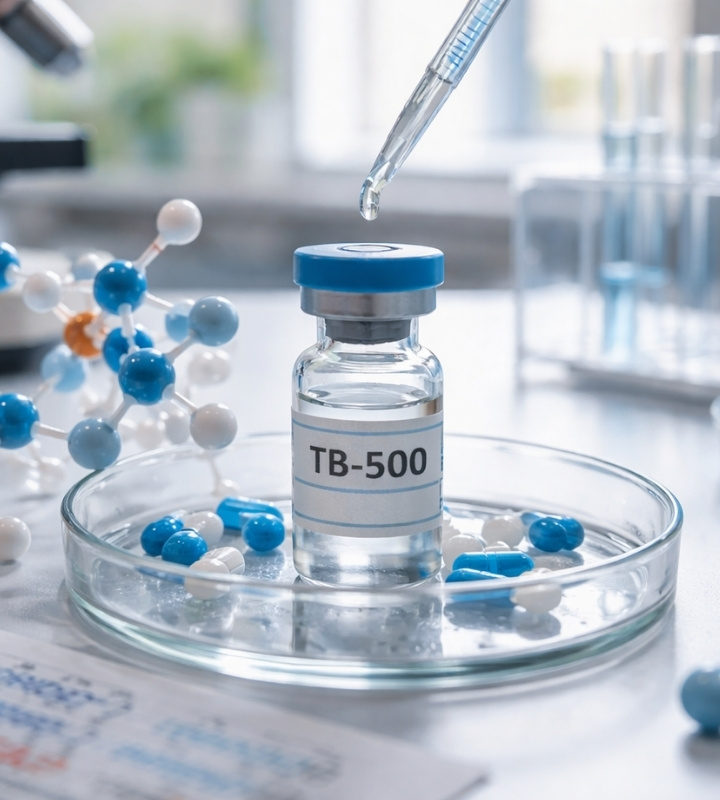
A research-based overview of TB-500 peptide, exploring its molecular structure, proposed mechanisms, and role in regenerative biology studies.

Find out, is an LED light thermal face device safe for your daily routine or not, along with all the other essential information.

Learn why batch-to-batch consistency matters in peptide research and how standardized manufacturing, analytical testing and quality control support reliable results. Slug: peptide-batch-to-batch-consistency
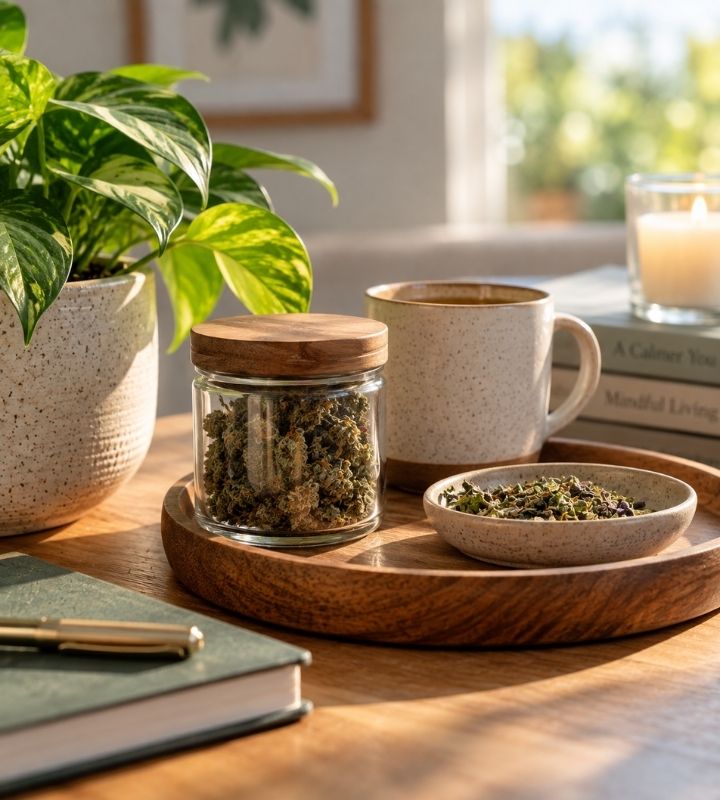
Discover why cannabis freshness matters for aroma, flavor, smoothness, terpene preservation, potency, and overall product quality.

Learn how peptide fragment optimization works by identifying bioactive core sequences, improving stability, enhancing receptor affinity, and increasing peptide efficiency.