Is an led light therapy face device safe for daily use?
Find out, is an LED light thermal face device safe for your daily routine or not, along with all the other essential information.
A research-based overview of TB-500 peptide, exploring its molecular structure, proposed mechanisms, and role in regenerative biology studies.
By Keith Myers
Posted on | Last Updated
TB-500 has become a recurring subject of interest across multiple scientific disciplines due to its connection to thymosin beta-4, an endogenously occurring protein that has long been associated with cytoskeletal organization and tissue restructuring.
The synthetic peptide is modeled on a specific region of the larger protein sequence that is theorized to participate in cellular coordination and repair-related cascades.
While the exact parameters of its activity remain under active investigation, the peptide’s structural attributes and proposed biochemical interactions continue to generate extensive discussions in research circles.
As the scientific community searches for compounds qualified to support cellular mobility, matrix remodeling, and regenerative signaling, TB-500 is believed to occupy a compelling niche.
It is repeatedly positioned within conversations involving cellular migration, actin modulation, angiogenic processes, and tissue maintenance pathways.
Although many questions remain unanswered, the growing body of exploratory work has begun to highlight how this peptide might participate in orchestrating complex regenerative networks within living organisms.
This article examines TB-500’s theorized molecular properties, its hypothesized interactions within cellular systems, and its emerging position within domains such as regenerative biology, structural repair research, and molecular signaling exploration.
The goal is to outline the peptide’s scientific relevance through a speculative yet data-grounded lens, focusing on what current investigations purport rather than drawing definitive conclusions.
TB-500 is a synthetic peptide fragment modeled after the C-terminal region of thymosin beta-4, a 43-amino-acid protein found widely throughout mammalian tissues.
The TB-500 sequence is selected because research indicates that this portion of the parent molecule may play a significant role in actin-binding interactions and motility-related pathways.
Actin, one of the most abundant proteins in the research model, is critical for maintaining cell structure, enabling mobility, and facilitating intracellular transport.
Investigations purport that thymosin beta-4 might interact with G-actin monomers, influencing how these monomers assemble into F-actin filaments during cytoskeletal restructuring.
Because TB-500 reflects a region believed to support these dynamics, researchers have theorized that it might exhibit similar interactions.
While the fragment lacks portions of the full protein, some biochemical analyses suggest that its structural motif may still permit partial affinity for binding pockets involved in actin regulatory behavior.
The peptide’s relatively small size also makes it an interesting molecule for studying stability characteristics.
Various biochemical assessments indicate that fragments of thymosin beta-4 may remain stable in a range of pH environments, which has inspired speculation about their resilience in certain research systems.
This theoretical durability has contributed to TB-500’s presence in long-term cellular studies aimed at observing extended signaling cascades or multi-phase tissue modeling experiments.
The mechanistic identity of TB-500 is not fully agreed upon, yet several hypothetical pathways are repeatedly mentioned in the scientific literature.
Researchers have been particularly interested in the peptide’s potential interactions with:
A significant portion of TB-500’s proposed activity stems from thymosin beta-4’s proposed affinity for G-actin.
Investigations suggest that the peptide fragment might influence actin polymerization rates by stabilizing monomers or modifying the equilibrium between polymerized and unpolymerized pools.
If such modulation occurs, it is thought to carry substantial implications for cellular mobility, structural plasticity, and tissue remodeling processes.
Cytoskeletal behavior is central to nearly every regenerative pathway.
Therefore, researchers theorize that TB-500 may help illuminate how specific peptide fragments might contribute to broad cellular movement patterns, including migration to sites of mechanical stress or structural imbalance.
Another prominent theme in TB-500 studies involves angiogenic signaling pathways. Thymosin beta-4 has long been associated with endothelial cell migration, vessel sprouting, and capillary formation.
Because TB-500 seems to mirror a region of this protein, researchers speculate that it may influence similar cascades.
Studies suggest that TB-500 might modulate pathways related to vascular endothelial growth factors and matrix metalloproteinases, both of which are speculated to be involved in shaping new microvascular networks.
If these impacts occur consistently in research models, the peptide has been hypothesized to help scientists trace the link between cytoskeletal mobility and vascular development, offering insights into how tissues restore circulation following structural compromise.
Investigations purport that TB-500 may also participate in processes involving the extracellular matrix (ECM).
This interest arises from speculations that thymosin beta-4 is often present in tissues undergoing structural turnover.
Researchers have theorized that TB-500 might influence the activity of integrins, fibronectin, collagen-associated proteins, or other ECM components responsible for adhesion and mechanical integrity.
If TB-500 modifies ECM organization in measurable ways, it is speculated that it may also provide a useful model for examining how peptide fragments communicate with structural proteins to maintain tissue architecture.
While not universally accepted, some research indicates that TB-500 might participate in inflammatory modulation cascades.
The peptide has been associated with hypothesized impacts on cytokine expression patterns, cell recruitment timing, and the clearance of debris in tissues undergoing repair.
Because inflammatory signaling is closely tied to both regeneration and degeneration, exploring TB-500’s relationship with immune pathways remains a significant research direction.
However, these mechanisms remain theoretical, and ongoing inquiries continue to refine the peptide’s potential role.
Due to its diverse theoretical impacts, TB-500 has been incorporated into a broad spectrum of experimental designs across biological research.
Each domain highlights a different aspect of the peptide’s proposed activity and contributes to a larger understanding of how peptide fragments might be used to model regeneration-related processes.
Regeneration research often focuses on understanding how tissues restore structural organization following damage or stress.
TB-500’s proposed roles in cytoskeletal dynamics, angiogenesis, and ECM remodeling make it an attractive candidate for these investigations.
Thymosin beta-4 has been widely investigated in cardiovascular environments, particularly those involving tissue remodeling or ischemic events.
Because TB-500 mimics a portion of the full protein, researchers have theorized that it might help illuminate the role of peptide fragments in cardiac restoration pathways.
Inquiries into musculoskeletal systems frequently involve tendon formation, ligament function, muscle fiber remodeling, and cartilage maintenance.
Research indicates that TB-500 may influence fibroblast movement, collagen deposition patterns, and the organization of structural proteins within these tissues.
Because epithelial tissues rely heavily on coordinated cell migration and cytoskeletal plasticity, TB-500 is increasingly evaluated in dermatological research frameworks.
Investigations purport that the peptide may influence keratinocyte movement, ECM turnover, and the restoration of barrier integrity.
TB-500 represents a fascinating intersection of cytoskeletal biology, tissue remodeling theory, and regenerative signaling research.
While many mechanisms remain incompletely understood, ongoing investigations continue to illuminate the peptide’s potential relationships with actin regulation, angiogenic cascades, ECM reconstruction, and multi-tissue coordination.
Visit Core Peptides for more research resources.

Find out, is an LED light thermal face device safe for your daily routine or not, along with all the other essential information.

Discover why cannabis freshness matters for aroma, flavor, smoothness, terpene preservation, potency, and overall product quality.
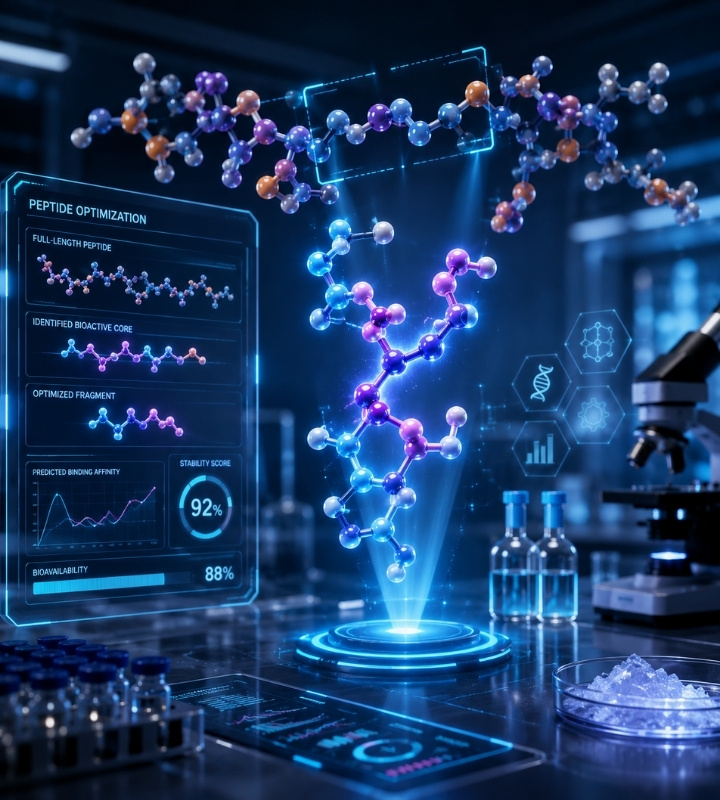
Learn how peptide fragment optimization works by identifying bioactive core sequences, improving stability, enhancing receptor affinity, and increasing peptide efficiency.
Learn why batch-to-batch consistency matters in peptide research and how standardized manufacturing, analytical testing and quality control support reliable results. Slug: peptide-batch-to-batch-consistency

Discover how cannabis harvest timing affects cannabinoid development, terpene preservation and flower quality, and what consumers should know when choosing cannabis.

Discover what makes makeup last all day. Learn how film formers, primers, and setting sprays work—especially in heat and humidity—for truly long-lasting results.