The secret doctors don’t always tell you about double chin removal and why it changes everything
Discover what most doctors skip when discussing double chin removal, the real options, results, and what actually works for lasting change.
Explore the top cosmetic treatments for women in 2026, from collagen-stimulating procedures and laser resurfacing to intimate aesthetics and labiaplasty.
By Keith Myers
Posted on | Last Updated
When it comes to cosmetic treatments, Botox and fillers may still dominate the conversation.
But if you take a deeper look at what women are actually searching for and asking their providers about, the list of cosmetic treatments for women has grown well beyond the forehead and lips.
Today the focus is shifting to include skin quality, collagen, and overall comfort too.
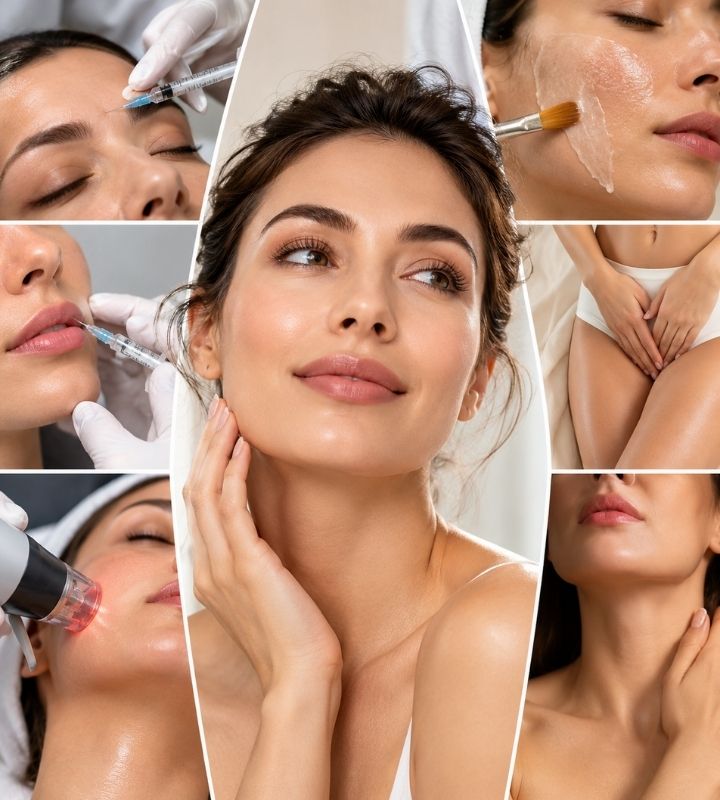
According to the American Society of Plastic Surgeons (ASPS) 2024 statistics, Americans had more than 28.5 million minimally invasive cosmetic procedures in 2024.
Neuromodulator injections led with nearly 10 million procedures, followed by hyaluronic acid fillers at around 5.3 million.
Globally, the International Society of Aesthetic Plastic Surgery (ISAPS) 2024 Global Survey recorded close to 38 million procedures.
One detail stands out: 48.4% of external genital procedures were performed on patients aged 18 to 34.
The American Academy of Facial Plastic and Reconstructive Surgery (AAFPRS) names regeneration, precision, and personalization as the defining aesthetic industry trends for 2026.
In its member survey, 57% of facial plastic surgeons expect regenerative medicine to be a major growth area, and 68% say patients’ top surgical concern is an unnatural result.
In short, the numbers point to a shift in women’s preferences toward natural-looking results and treatments that improve skin quality, even as injectables remain the volume leaders.
Many of the most popular cosmetic treatments in 2026 work on one principle: controlled injury triggers repair.
Biostimulators such as poly-L-lactic acid and calcium hydroxylapatite do not just occupy space like a hyaluronic acid filler.
They prompt fibroblasts, the cells that build connective tissue, to produce new collagen over several weeks to months.
Radiofrequency (RF) microneedling combines tiny punctures with heat delivered beneath the surface.
The heat tightens existing collagen fibers, while the micro-injuries signal the skin to remodel.
Fractional lasers treat microscopic columns of skin and leave the surrounding tissue intact, so healing is faster than with older, fully ablative lasers.
These treatments are often combined, and a provider can help you choose a sequence that suits your skin.
Our guide to non-invasive treatment combinations covers how that layering works.
Not ready for in-office treatments? A gentle at-home chemical peel is a sensible starting point.
However, this works at a much shallower level and isn’t a substitute. Patch test first.
Intimate aesthetics used to be a topic many women never raised, even with a doctor.
That’s changing. ISAPS recorded 210,633 labiaplasties worldwide in 2024, roughly 48% more than in 2020, and now tracks outer genital surgery as its own category.
Part of the shift is simply openness. Women are researching options before a first consultation, comparing techniques, recovery, and providers, and asking the same direct questions they’d ask about any other treatment.
Interest isn’t uniform, though: while labiaplasty has grown, surgical vaginal rejuvenation fell nearly 16% in 2024, which may suggest that women are being more selective about what they choose.
For some women, the starting point is menopause-related tissue change.
That’s a medical conversation first, and moisturizers or vaginal estrogen are usually discussed before any procedure.
Childbirth, genetics, and weight changes can also affect comfort and function.
The range of options for intimate aesthetic treatments, which includes both non-surgical and surgical alternatives, runs from skincare and pelvic floor therapy to energy-based devices and surgery.
Radiofrequency and laser treatments are often presented as a gentler starting point, but the FDA has not cleared them for vaginal cosmetic procedures or menopause-related vaginal symptoms, and long-term evidence is limited.
When the concern is the shape or size of the labia, such as chafing or discomfort in fitted clothing, surgery is sometimes the more direct route, which is why labiaplasty deserves a closer look.
There is no single correct size or shape for the labia. The American College of Obstetricians and Gynecologists (ACOG) stresses that normal anatomy varies widely and recommends that women be counseled about the risks and limits of elective genital cosmetic surgery.
Many women seek labiaplasty for practical reasons: chafing during exercise, discomfort in fitted clothing, pain during intimacy, or changes after childbirth.
ASPS member surgeons reported 10,827 labiaplasties in 2024, up nearly 2% from 2023.
A trim approach removes tissue along the outer edge, while a wedge approach removes a V-shaped section and preserves the natural edge. Each suits different anatomy and goals.
In a small prospective study of 29 women published in Plastic and Reconstructive Surgery, 82.8% reported overall satisfaction six months after labiaplasty, and satisfaction with genital appearance improved.
General psychological well-being and relationship quality did not change, and women with higher psychological distress before surgery tended to be less satisfied with the outcome.
If you are exploring this route, look for a specialist practice that walks you through personalized labiaplasty options, from technique and anesthesia choice to a realistic recovery plan.
Expect swelling in the first few days and plan to avoid intercourse and strenuous exercise for roughly four to six weeks (or as advised by the surgeon).
Labiaplasty is elective and is generally not covered by insurance.
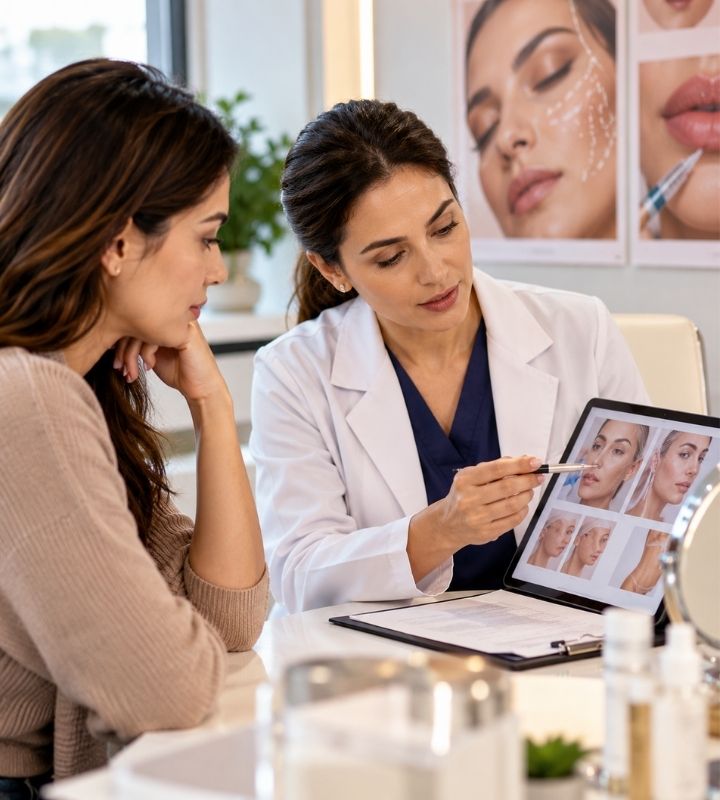
Before booking, ask:
Sleep, nutrition, and sun protection also support your skin’s ability to repair itself between treatments.
Today’s cosmetic treatments for women are focusing less on changing how they look and more about restoring how their skin and body function.
Whether you are considering a biostimulator, a laser, or an intimate procedure, start with the science, ask direct questions, and choose a specialist who personalizes the plan.

Discover what most doctors skip when discussing double chin removal, the real options, results, and what actually works for lasting change.
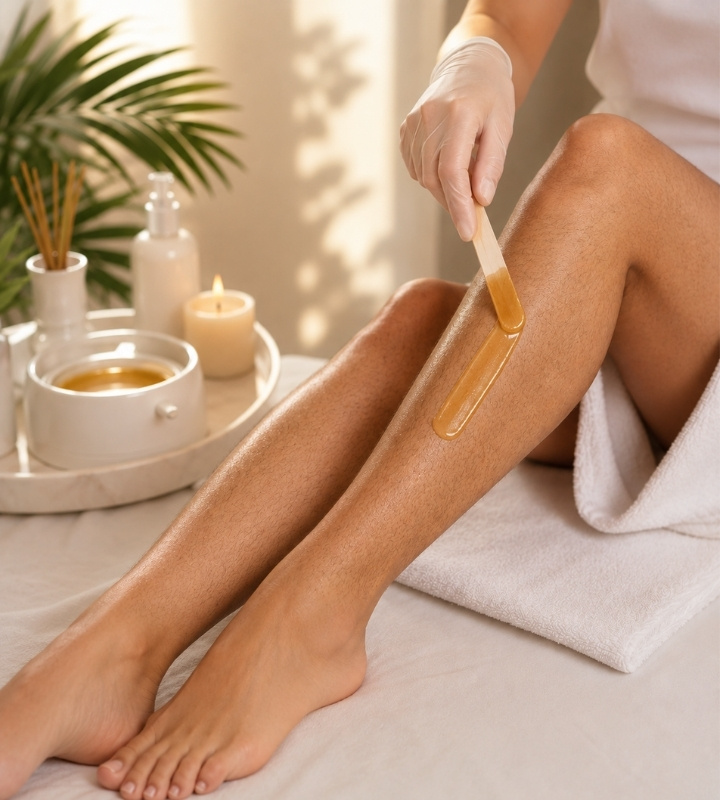
Learn how often you should get waxed for your face, legs, underarms, bikini, and more. Follow the ideal waxing schedule for smooth, long-lasting results.

Discover how lab automation is transforming the beauty industry. From precision formulation to enhanced compliance, automation ensures flawless consistency, faster production, and safer products. Learn why it's the future of cosmetic manufacturing.
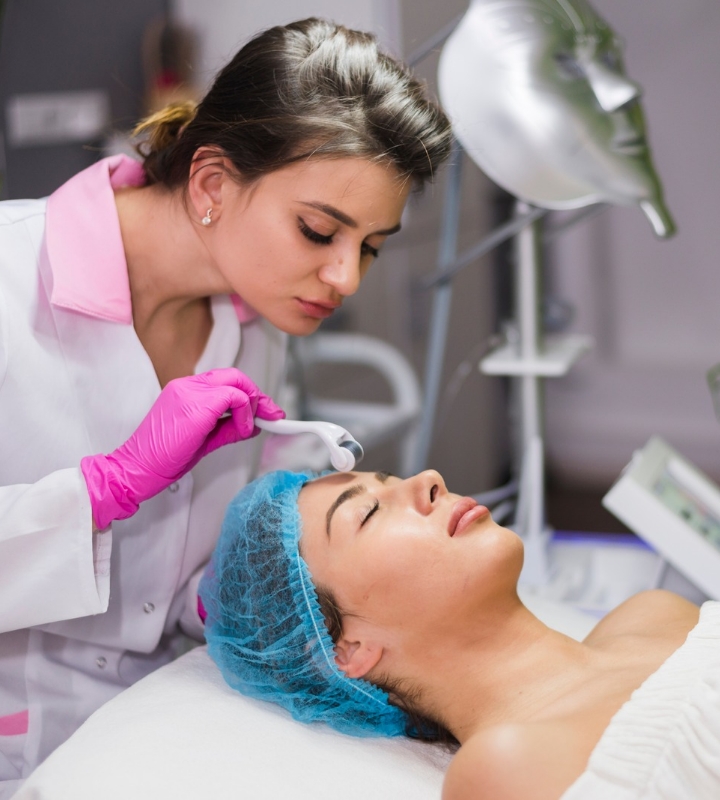
Need to renew your Nebraska cosmetology license? Learn how to keep your continuing education (CE) affordable without compromising on quality.